


- Home
- >
- News
- >
- Industry News
- >
News
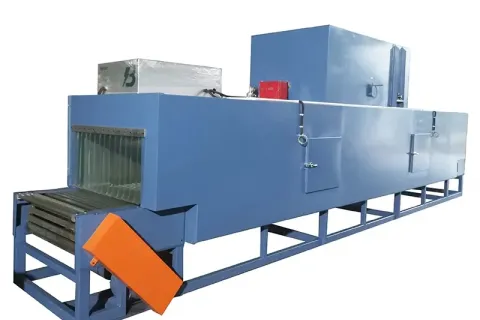
For anyone relying on batteries for backup power, electric vehicles, or industrial equipment, understanding sealing is key to avoiding unexpected downtime and replacement costs.
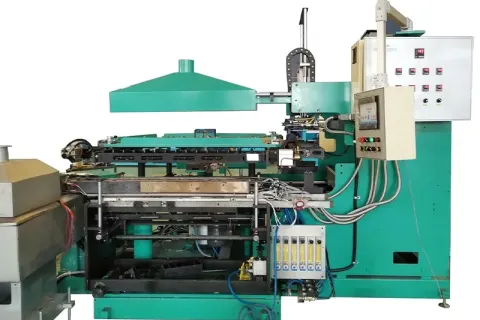
Cast-on-Strap (COS) is a core manufacturing process for lead-acid batteries where molten lead alloy is poured into a mold to form the bus bar that connects individual plates into a group.
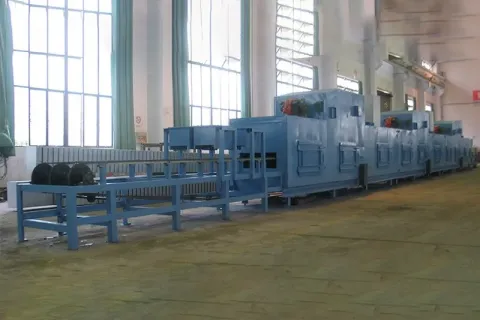
After plate formation and plate washing, the negative plate holds a lot of water inside the active mass. As that water leaves, the plate shrinks. Shrinkage itself is not the problem. The problem starts when the shrinkage is not uniform.
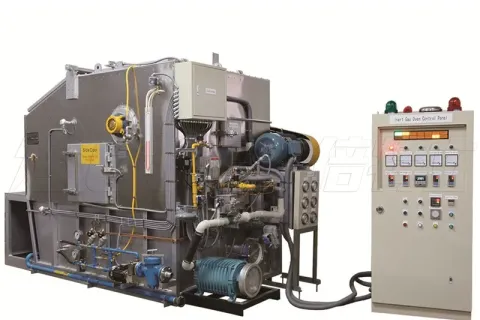
Lithium batteries power everything from your phone and laptop to electric vehicles and home energy storage. Many everyday frustrations trace back to how these batteries interact with oxygen during manufacturing or use.
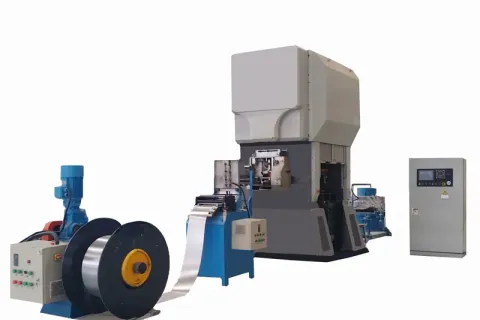
Batteries power so much of what we do every day—from starting our cars in the morning to keeping phones, laptops, and home energy storage systems running smoothly.

Lithium-ion batteries are not a single product but a vast family. Under different classification dimensions, battery performance, cost, and applicable scenarios vary significantly.
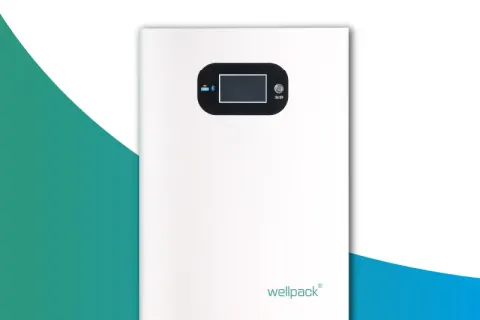
The truth is, there is no single fixed answer. It all depends on how you use it. To help you understand clearly, we have simulated a realistic daily household electricity consumption scenario.
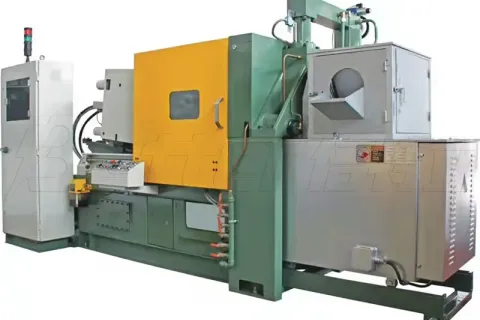
Tubular lead acid batteries power many systems people rely on daily, from home inverters during power cuts to backup for offices, telecom towers, and solar setups.
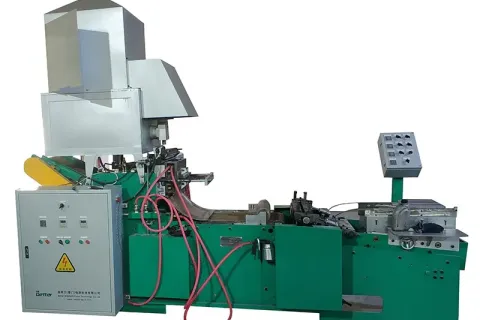
The grid is the metal framework inside every lead-acid battery plate. It holds the active material that stores and releases energy.
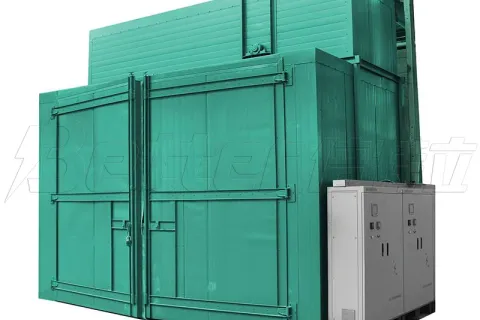
The drying stage in lead-acid battery manufacturing plays a quiet but decisive role here. It shapes how well the plates hold their structure and how efficiently the battery stores and releases energy over time.
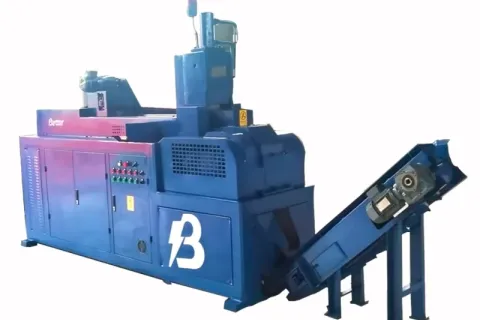
Lead ingots form the foundation for lead-acid battery production. They supply the main material that eventually becomes the active paste inside battery plates.
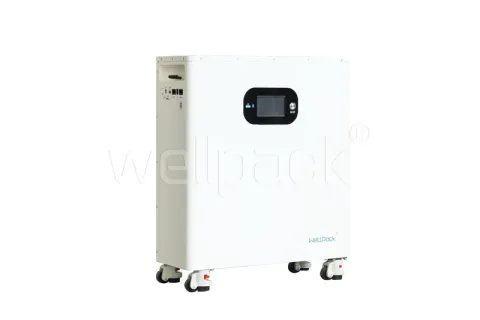
Think about how long you want backup power to last. A short blackout might need only a few hours of support, while areas prone to storms could call for a full day or more. Peak power demand matters too.