


Full Analysis of Lithium-ion Battery Classification
2026-04-30 15:18Lithium-ion batteries are not a single product but a vast family. Under different classification dimensions, battery performance, cost, and applicable scenarios vary significantly. This article systematically outlines four major classification dimensions for lithium-ion batteries, analyzing the core characteristics and primary applications of each type.
1. Classification by Form Factor
Based on shape and packaging materials, lithium-ion batteries can be divided into three mainstream forms: cylindrical, prismatic, and pouch.
Cylindrical Batteries (18650/21700)
Characteristics: Mature technology, stable production processes, high yield rates, excellent consistency, and suitability for mass production. The steel or aluminum shell provides high mechanical strength. However, the fixed shape results in gaps between cells during pack assembly, leading to lower space utilization.
Applications: Power tools, laptops, electric vehicles, energy storage systems.
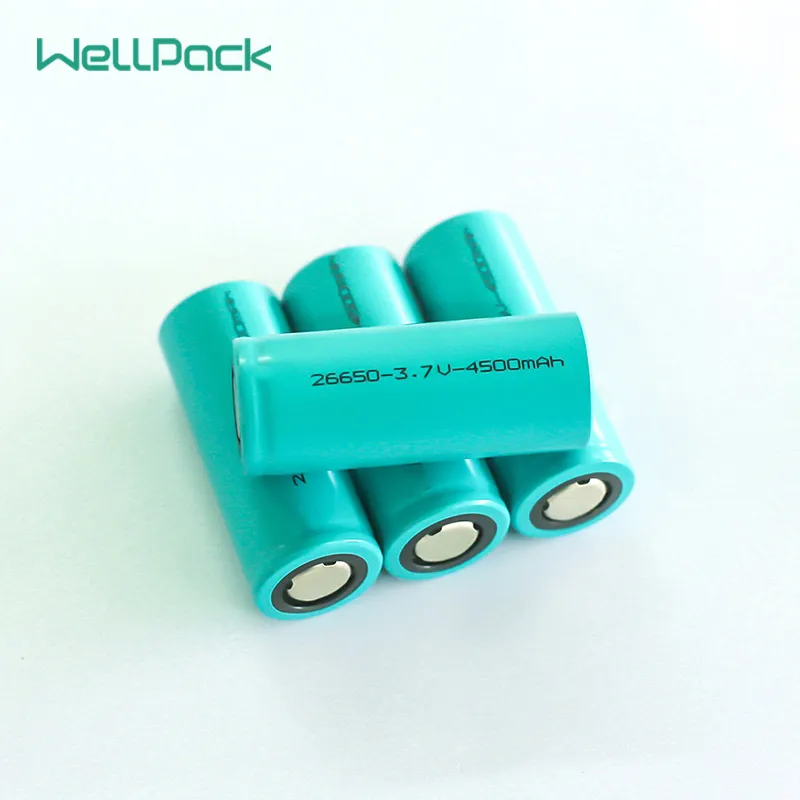
Prismatic Batteries
Characteristics: Simple structure, reliable packaging, high system grouping efficiency, and high single-cell energy density. They offer high customizability and good impact resistance. Drawbacks include unsuitability for low-capacity scenarios due to large cell size, difficulty in standardizing processes, and poor heat dissipation.
Applications: Electric vehicles, energy storage systems.
Pouch Batteries
Characteristics: Highest energy density, lightest weight, low internal resistance, flexible design, and customizable production. However, they suffer from poor consistency, low production efficiency, complex manufacturing processes, and high costs.
Applications: Smartphones, drones, wearable devices.
2. Classification by Cathode Material
The cathode material is the core factor determining battery performance and cost. The current mainstream cathode materials include the following three types:
| Cathode Material | Nominal Voltage | Energy Density | Cycle Life | Safety | Main Applications |
Lithium Cobalt Oxide (LCO) | ~3.7V | High (200-280Wh/kg) | Short | Poor | Mobile phones, laptops |
Lithium Iron Phosphate (LFP) | ~3.2V | Low to Medium (120-170Wh/kg) | Long | Excellent | Energy storage, electric vehicles |
Ternary Materials (NCM/NCA) | ~3.6-3.7V | High (200-300Wh/kg) | Medium | Poor | Electric vehicles, high-performance equipment |
Lithium Cobalt Oxide (LCO): The Veteran of Consumer Electronics
Characteristics: High energy density, mature manufacturing processes, and good cycle performance. However, cobalt prices are expensive, lifespan is short, and it has not been widely adopted in the power battery field.
Applications: Mobile phones, laptops, and other 3C consumer electronics.
Lithium Iron Phosphate (LFP): King of Safety and Longevity
Characteristics: Excellent thermal stability (thermal runaway temperature exceeds 500°C), long cycle life (over 3,000 cycles), and low cost. However, energy density is relatively low (90-170Wh/kg).
Applications: Electric vehicles, energy storage systems, start-stop batteries.
Ternary Materials (NCM/NCA): New Materials Popularized by EVs
Characteristics: Composed of Nickel (Ni), Cobalt (Co), and Manganese (Mn)/Aluminum (Al), offering high energy density (200-300Wh/kg). High-nickel content is a research hotspot, but thermal stability is poor, with a thermal runaway temperature of only about 200°C.
Applications: Electric vehicles, eVTOL (electric vertical takeoff and landing aircraft), high-performance equipment.
3. Classification by Electrolyte Type
This is an important dimension for distinguishing technological generations of lithium-ion batteries.
Liquid Lithium-ion Batteries
Characteristics: Use liquid organic electrolytes with high energy density; currently the most mature technology route. However, there are risks of electrolyte leakage and thermal runaway.
Applications: The vast majority of commercial lithium batteries (including pouch, cylindrical, and prismatic types).
Solid-State / Semi-Solid-State Batteries
Characteristics: Replace liquid electrolytes and separators with solid electrolytes, significantly increasing energy density (theoretical value exceeds 500Wh/kg). Based on different solid electrolyte materials, there are three main technical routes:
Sulfide Route: Highest ionic conductivity (up to 10⁻² S/cm), high performance ceiling, regarded as a key direction for all-solid-state batteries. However, chemical stability is extremely poor; contact with water generates toxic hydrogen sulfide (H₂S) gas, demanding strict production environments (dry rooms) and packaging.
Oxide Route: Extremely excellent thermal stability (withstands >600°C), non-flammable, no gas generation, no leakage. It has achieved early market validation in semi-solid-state vehicle installations.
Polymer Route: Friendly processing, high compatibility with existing liquid battery production lines, and good flexibility. However, it still contains trace liquid plasticizers and may burn under extreme overheating.
Applications: High-end eVTOL, special industrial drones, next-generation electric vehicles.
4. Classification by Performance Characteristics
Energy-Type Batteries
Characteristics: Focus on high energy density, pursuing "how much charge can be stored per unit weight." Typically feature low discharge rates (<3C), suitable for long-duration discharge. A drawback is that power and energy are mutually exclusive—high-rate discharge drastically reduces specific energy.
Applications: Electric vehicles, long-endurance drones, energy storage systems.
Power-Type / High-Rate Batteries
Characteristics: Focus on high power density, pursuing "how much current can be discharged per unit time." Rates can reach 15C–50C or higher, with discharge times measured in seconds or minutes.
Applications: Power tools, HEVs (Hybrid Electric Vehicles), RC model batteries.
5. Supplement: Sodium-Ion Batteries – The "New Star" Beyond Lithium
Characteristics: Using sodium as the charge carrier, sodium-ion batteries operate on principles similar to lithium-ion batteries. Recent years have seen major technological breakthroughs:
Cost Advantage: Sodium reserves are 400 times that of lithium, with costs only 10%-30% of lithium batteries. Prices have dropped rapidly from 0.8 CNY/Wh in 2023 to about 0.45 CNY/Wh.
Excellent Low-Temperature Performance: Maintains over 90% discharge capacity at -40°C. CATL's sodium batteries support plug-and-charge even after freezing at -30°C.
High Safety: Passed nail penetration tests and 300°C hot box tests, achieving complete blockage of thermal runaway.
High Rate Capability: Some manufacturers offer ultra-high rate sodium cells up to 30C.
Energy Density Gap: Current mainstream energy density is 140-175Wh/kg, comparable to LFP but still lagging behind ternary lithium (200-300Wh/kg).
Applications: Energy storage is the largest market (over 50%). Additionally, they are suitable for two-wheelers, start-stop power supplies, and low-speed vehicles, though current application volume remains low.
Conclusion
There is no "universal" battery, only the "most suitable battery for the scenario." For every practitioner or enthusiast, understanding battery classification logic lays the most solid foundation for smarter selection, safer usage, and more forward-looking innovation.