How to Choose Home Energy Storage Battery
2026-04-16 15:55Table of Contents
Assessing Your Home Energy Needs
Before you even look at specific home energy storage battery models, take a step back and figure out what your household actually requires. Most people run into trouble here because they guess instead of measuring. Start by checking your monthly electricity bill for average daily kilowatt-hour (kWh) usage. Add up the big draws like the refrigerator, air conditioner, lights, and any home office equipment that stays on. During a power outage, you probably do not need everything running at once—just the essentials that keep life comfortable or safe.
Think about how long you want backup power to last. A short blackout might need only a few hours of support, while areas prone to storms could call for a full day or more. Peak power demand matters too. Some appliances, like a well pump or electric stove, pull a lot of watts right when they start. A home energy storage battery must handle that surge without tripping. If you already have solar panels, calculate how much excess energy they produce on sunny days versus what you use at night. This helps decide if a battery will truly reduce your reliance on the grid or simply store what would otherwise go to waste.
Many homeowners overlook seasonal changes. Winter days are shorter and heating systems work harder, while summer brings heavy air-conditioning loads. A good match means your battery covers these shifts without constant recharging from the grid. Get this part right early, and the rest of the selection process becomes much clearer.
Exploring Battery Chemistry Options
Home energy storage batteries come in a few main types, and the chemistry inside makes a real difference in everyday performance. Lead-acid batteries have been around forever and cost less upfront, but they wear out faster, need more maintenance, and cannot be discharged as deeply without damage. They also tend to lose efficiency over time, which shows up as higher electricity bills in the long run.
Lithium-based options dominate the market now, with two big players: lithium nickel manganese cobalt (NMC) and lithium iron phosphate, often called LiFePO4. NMC packs more energy into a smaller space, which appeals if you have limited room. However, it runs hotter and carries a slightly higher risk in extreme conditions. LiFePO4 stands out for home use because it stays stable even under stress, lasts through thousands of charge cycles, and avoids the fire concerns that worry some families. Most people searching for a reliable home energy storage battery settle on LiFePO4 once they compare safety records and lifespan side by side.
Whichever chemistry you lean toward, the goal stays the same: a battery that works quietly in the background, supports your solar setup if you have one, and delivers consistent power without drama. Avoid chasing the absolute cheapest unit—real-world durability usually pays for itself within a few years through fewer replacements and better efficiency.
Evaluating Key Specifications
Once you know your needs and preferred chemistry, dig into the numbers that actually affect daily life. Capacity, measured in kWh, tells you how much energy the battery can store. A typical household might start with 8–15 kWh to cover evening use or short outages. Power rating, in kilowatts (kW), shows how much it can deliver at once. Look for at least 5 kW continuous output to run multiple appliances simultaneously.
Depth of discharge (DoD) is another critical detail. It indicates what percentage of the total capacity you can safely use before recharging. Higher DoD numbers mean more usable energy from the same size battery. Round-trip efficiency matters too—most modern lithium batteries hit 90–95 percent, meaning very little energy gets lost as heat during charge and discharge. Cycle life tells you how many full charges and discharges the battery can handle before capacity drops noticeably. A system rated for 4,000 cycles or more will easily last a decade with normal home use.
Warranty length and what it covers provide extra peace of mind. Check whether it includes the full system or just the cells, and note any conditions like temperature limits. These specs help filter out units that look good on paper but would underperform in your specific setup.
Considering Installation and Safety
A home energy storage battery should fit seamlessly into your space without becoming a hassle. Wall-mounted designs save floor space and often look cleaner in garages or utility rooms. Floor-standing units might offer easier access for larger capacities but take up more room. Either way, make sure the battery works with your existing inverter or solar system—mismatched components lead to frustrating compatibility issues and extra costs.
Safety features deserve close attention. Every quality unit includes a battery management system (BMS) that monitors temperature, voltage, and current to prevent problems before they start. Built-in protections against overcharge, short circuit, and extreme temperatures keep things stable even if the power grid fluctuates. Many homeowners also appreciate fast switchover times—under 20 milliseconds—so lights and computers stay on without interruption during an outage.
Professional installation is usually the safest route, especially if you plan to connect to solar or the main electrical panel. Local codes often require permits and certified electricians. Once installed, maintenance stays minimal: occasional visual checks and firmware updates through a phone app are usually all it takes. This low-effort approach lets the battery support your daily routine without adding new chores.
Understanding Costs and Long-Term Value
Upfront price often stops people from moving forward, but focusing only on the sticker amount misses the bigger picture. A home energy storage battery pays back through lower electricity bills, especially when paired with solar panels that let you use free daytime energy at night. Over time, reduced grid purchases and avoided outage-related losses add up quickly.
Factor in the total cost of ownership: replacement frequency, efficiency losses, and any incentives or rebates in your area. A battery with a longer cycle life might cost more initially but saves money by lasting twice as long as a budget model. Scalability also matters—if your household grows or you add an electric vehicle later, choose a system that lets you add extra modules without replacing the whole setup.
Think about the quiet benefits too: greater energy independence, protection for sensitive electronics, and the confidence that comes from knowing your home stays powered when the grid does not. When you balance these elements, the right home energy storage battery becomes a smart investment rather than just another expense.
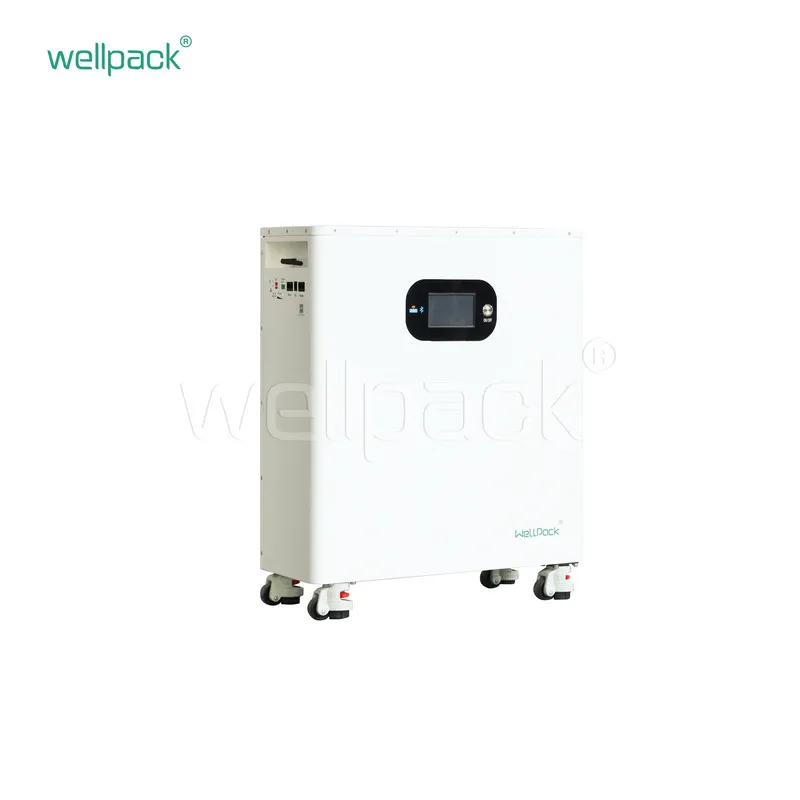
When it comes to a dependable option that checks all the practical boxes, the Household Energy Storage Battery WPH10F-01 from Better Tech delivers strong everyday value. This 10.54 kWh LiFePO4 unit offers a compact wall-mounted design that fits neatly into most homes, supports easy parallel expansion if you need more capacity later, and includes an intelligent BMS for reliable protection. With a cycle life of 4,000 or more, fast 10-millisecond UPS switching for seamless backup, and full compatibility with residential solar inverters, it handles both daily energy management and unexpected outages without fuss. Homeowners appreciate the safety of LiFePO4 chemistry, the durable sheet-metal enclosure, and the ability to charge from the grid or generator when needed. For anyone ready to solve common power reliability and cost issues with a straightforward, high-performing home energy storage battery, this model is worth a close look at better-tech.net.