How Tubular Lead Acid Battery Plates Are Made
2026-04-28 11:48Table of Contents
Understanding Tubular Lead Acid Battery Plates
Tubular lead acid batteries power many systems people rely on daily, from home inverters during power cuts to backup for offices, telecom towers, and solar setups. At the heart of these batteries are the positive plates, which use a tubular design. Unlike flat plates, tubular ones encase the active material inside porous tubes or gauntlets around a central spine. This construction helps hold the material in place better during repeated charge and discharge cycles.
Users often search for answers when their battery backup time drops, water consumption rises, or the unit fails sooner than expected. Much of that performance traces back to how well the tubular plates were made. Good plates mean longer runtime, fewer maintenance headaches, and better value over time. Poor ones lead to sulfation, shedding of material, and early capacity loss.
Tubular plates are especially common in deep-cycle applications because they resist vibration and deep discharges better than standard designs. If you run an inverter at home in areas with frequent outages, or manage a small solar system, you have probably noticed how battery life varies between brands. The difference often starts with the quality of the lead alloy spines and how uniformly the active material fills the tubes.
Why Plate Quality Matters in Everyday Use
Most people do not think about battery plates until something goes wrong. You flip the switch during a blackout and expect steady power for lights, fans, or your computer. When the backup lasts shorter each month, or the battery needs water topping more often, frustration builds. These issues frequently link to problems in the positive tubular plates.
Weak or uneven plates can cause faster corrosion of the grid, loosening of active material, or poor conductivity. In daily life, this shows up as reduced ampere-hour capacity, higher internal resistance, and heat buildup during charging. For someone using the battery in a home UPS, it might mean the system cannot support essential loads through a long outage. In commercial settings like small shops or clinics, unreliable plates translate to interrupted operations.
Another common concern is cost over time. A cheaper battery with inconsistent plates may seem affordable at purchase but requires replacement sooner. Users also worry about safety—leaking electrolyte or gassing from overworked plates can create mess and maintenance hassles. Understanding what goes into making strong tubular plates helps you ask better questions when buying or troubleshooting a battery.
Key signs of plate-related trouble include uneven cell voltages, excessive water loss, and a noticeable drop in backup duration after a few months of use. While usage habits like over-discharging or improper charging play a role, the foundation is set during manufacturing.
The Manufacturing Process of Tubular Plates
Making tubular lead acid battery plates involves several precise steps. It starts with creating the grid, specifically the spines that form the backbone of each tube. Manufacturers use lead alloys—often with controlled amounts of antimony or calcium—to cast or form these spines. The alloy choice affects strength, corrosion resistance, and how easily the material flows during production.
Once the spines are ready, they go into tubular gauntlets, which are porous fabric or plastic tubes. These hold the active material while allowing electrolyte to interact. The next critical phase is filling or inserting the positive active material, a mix of lead oxides, sulfuric acid, and additives. Uniform filling is essential; gaps or density variations lead to weak spots that fail early.
After filling, the plates undergo curing in controlled temperature and humidity. This step hardens the material and improves bonding to the spines. Pickling or formation charging then converts the compounds into the final active form—lead dioxide on the positive side. Each stage must stay consistent to avoid defects like cracks, blowholes, or brittle spines.
In traditional methods, gravity casting of spines can result in uneven grain structure. Pressure-based approaches have become more common for better density and strength. The entire process demands careful control of temperature, alloy composition, and timing. Small variations can affect how well the battery handles deep cycles or high temperatures common in many regions.
For end users, this means the difference between a battery that delivers reliable hours of backup for years and one that underperforms after the warranty period. When searching about battery life or why certain models last longer, the manufacturing consistency of these tubular plates is often the real story behind the specs.
Common Challenges in Producing Reliable Plates
Producing high-quality tubular plates is not straightforward. Manufacturers face issues like inconsistent spine casting, which can create cracks, porosity, or weak bonding between grains. Longer spines, needed for higher capacity batteries, are especially prone to defects such as brittleness or blowholes.
Filling the tubes uniformly presents another hurdle. Uneven distribution of active material causes some sections to shed faster or develop higher resistance. Curing conditions must be precise; too much heat or wrong humidity can weaken the structure. Formation charging also requires control to fully activate the material without damaging the grid.
From a user perspective, these challenges show up as batteries that lose capacity gradually or fail suddenly. You might notice one cell in the battery bank degrading faster, leading to imbalance. In hot climates or with frequent cycling, poor plate quality accelerates corrosion and material softening.
Maintenance tips often circle back to these root causes. Keeping electrolyte levels correct, avoiding deep discharges without full recharge, and ensuring proper charging voltage all help. But the best protection starts with batteries built from well-made plates. When shopping, look for brands that emphasize advanced manufacturing for their tubular positives—these tend to offer more stable performance in real-world conditions.
Advances in Plate Die Casting Technology
Modern equipment has improved how tubular plates are produced, particularly in the die-casting of spines and grids. Pressure die casting offers better control over metal flow and cooling compared to older gravity methods, resulting in denser, stronger spines with fewer defects.
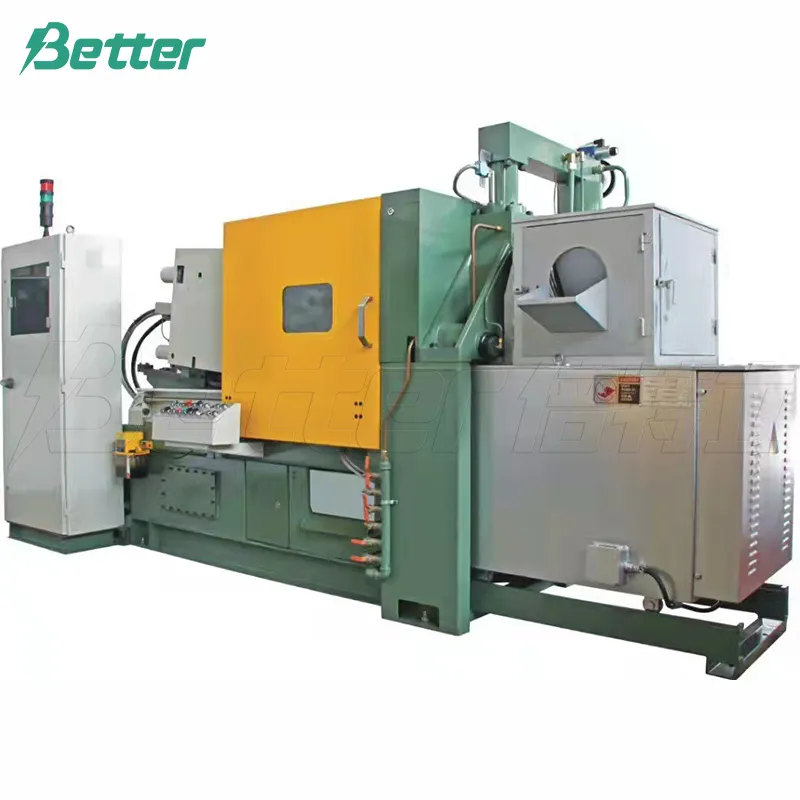
One notable solution in this space is the Tubular Battery Plate PDC Machine from Better Tech Group. This equipment automates key parts of the process for greater consistency. It handles die-casting of tubular positive plates with reliable output rates, typically reaching at least 2 pieces per minute for common configurations like 2V15 or 2V19 spines, and double panels for electric vehicle types. Maximum panel lengths go up to 420mm for larger units or 320mm for EV applications.
The machine uses special mold steel, a PLC control system with a user-friendly interface, and integrated hydraulic cooling. It supports a range of lead alloys, including low-antimony types that form more easily. An automatic shearing unit adjusts for different grid dimensions with minimal tool changes, adding flexibility for manufacturers producing various battery sizes.
Features like automatic heating control for the lead pot, dust collection, and safety switches make operation smoother and safer. Cooling systems for both molds and hydraulics help maintain quality across production runs. Overall dimensions are compact enough for industrial setups at around 4100x1000x1500mm, with a total power need of 45kW.
By improving uniformity and reducing manual steps, this type of technology helps address many traditional pain points in plate manufacturing. Manufacturers can produce plates with better structural integrity, which translates to batteries that hold up longer under daily cycling, experience less shedding, and deliver more predictable backup power.
For anyone dealing with frequent battery replacements or inconsistent performance, it is worth considering products from makers who invest in such equipment. Stronger, more uniform tubular plates mean fewer surprises when you need reliable power most.
In summary, the Tubular Battery Plate PDC Machine stands out for its automation, precision, and adaptability. It delivers consistent high-quality plates at efficient rates while supporting different alloys and sizes. Battery producers using this technology can offer end users longer-lasting, more dependable tubular lead acid batteries—making it a solid choice for improving production standards and product reliability in the industry. If you are evaluating battery options or suppliers, models built with advanced plate manufacturing like this are worth prioritizing for better real-world performance.