The Importance of Drying in Lead-Acid Battery Manufacturing
2026-04-21 15:13Table of Contents
1. How Drying Affects the Batteries You Rely On Daily
2. Breaking Down the Drying Stage in Lead-Acid Battery Production
3. Battery Problems That Often Trace Back to Drying Quality
4. What Manufacturers Focus On for Proper Drying
5. Steps Toward Better Drying for Longer Battery Life
How Drying Affects the Batteries You Rely On Daily
When you turn the key in your car or count on a backup power system during an outage, you expect the lead-acid battery to deliver steady power without drama. Yet many everyday frustrations with batteries—sudden drops in performance, shorter run times, or the need for early replacement—often start long before the battery reaches your hands. The drying stage in lead-acid battery manufacturing plays a quiet but decisive role here. It shapes how well the plates hold their structure and how efficiently the battery stores and releases energy over time.
In real-world use, a well-dried battery resists common wear like reduced capacity during hot summers or cold winters. It maintains charge longer in devices you use every day, from golf carts and forklifts in warehouses to home solar storage units. Poor drying, on the other hand, leaves plates vulnerable. Users notice this as batteries that seem to lose power faster than expected or require more frequent charging. By understanding this connection, you can make smarter choices when shopping for replacement batteries or troubleshooting why your current ones underperform.
Lead-acid battery drying directly influences reliability in daily life. It ensures the active material stays firmly attached and the internal chemistry stays balanced. This means fewer surprises when you need dependable power most.
Breaking Down the Drying Stage in Lead-Acid Battery Production
After the lead paste is applied to the grids in lead-acid battery manufacturing, the plates are still wet and soft. The combined curing and drying process turns them into sturdy, functional components ready for assembly. Curing comes first: plates sit in a controlled high-humidity environment, usually above 95% relative humidity, at moderate temperatures around 50–85°C for 24 to 72 hours. This step allows free lead to oxidize and crystals to form, creating strong bonds between paste and grid.
Drying follows or overlaps, gradually lowering humidity while raising temperature to remove remaining moisture. The goal is to reach moisture levels below 2% without rushing. Controlled drying preserves the porous structure that lets electrolyte flow freely later. Factories use chambers with even air circulation to avoid hot spots or uneven results. This stage is where small adjustments in time, temperature, and airflow make a big difference in the final battery.
The entire sequence prepares plates for formation charging. When drying is handled right, the plates emerge consistent in density and strength. This consistency carries through to the finished lead-acid battery, affecting everything from initial capacity to how it holds up under repeated charge-discharge cycles in your daily routines.
Battery Problems That Often Trace Back to Drying Quality
Many people searching for answers about battery issues run into the same complaints: the battery dies sooner than advertised, shows heavy sulfation, or sheds material that shortens its useful life. These problems frequently link back to how the plates were dried during manufacturing. If drying happens too quickly, plates develop cracks or a hard outer layer while the inside stays soft. The result is weak adhesion that leads to active material flaking off during use.
In daily work or home settings, this shows up as batteries that struggle to hold a full charge or deliver consistent voltage. You might notice higher self-discharge rates, meaning a stored battery loses power even when not in use. Or the battery might gas excessively during charging, requiring more maintenance. These are not random failures—they often stem from plates that never achieved the right balance of dryness and crystal structure in production.
Users dealing with industrial equipment or vehicle fleets feel the impact in downtime and replacement costs. A lead-acid battery with proper drying simply lasts longer and performs more predictably. Recognizing these signs helps you avoid low-quality options and focus on products built with careful manufacturing steps like effective drying.
What Manufacturers Focus On for Proper Drying
Good lead-acid battery manufacturing teams treat drying as a precise science rather than a quick step. They monitor free lead content dropping below 3% and keep residual moisture tightly controlled. Airflow must reach every plate evenly, so chambers use fans and sensors to maintain uniform conditions across large batches. Temperature shifts gradually—no sudden jumps that cause stress cracks.
Modern setups allow separate or combined curing and drying cycles, depending on the recipe. This flexibility helps match the process to different plate designs and ensures the porous network stays open for better electrolyte absorption later. Factories also watch for over-drying, which can make plates brittle, or under-drying, which leaves too much water and risks poor formation.
These details matter because they translate into batteries that handle real-life demands better. Whether for automotive starting power or deep-cycle applications in renewable energy setups, the drying stage determines how stable the internal chemistry remains over months and years of service.
Steps Toward Better Drying for Longer Battery Life
Improving drying in lead-acid battery production comes down to consistency and control. Manufacturers invest in equipment that delivers repeatable results batch after batch. Precise sensors track every degree and percentage point of humidity, while automated systems adjust airflow and heat on the fly. This reduces human error and shortens overall process time without sacrificing quality.
For anyone working with or buying batteries, the takeaway is simple: look for brands that emphasize advanced plate preparation. A lead-acid battery built with attention to drying will show it in longer service intervals and steadier performance. You spend less time worrying about sudden failures and more time trusting the power source in your vehicle, backup system, or equipment.
Advancements in this area continue to raise the bar. Better drying means plates that resist common degradation, giving users batteries that stay reliable longer in the conditions they actually face day to day.
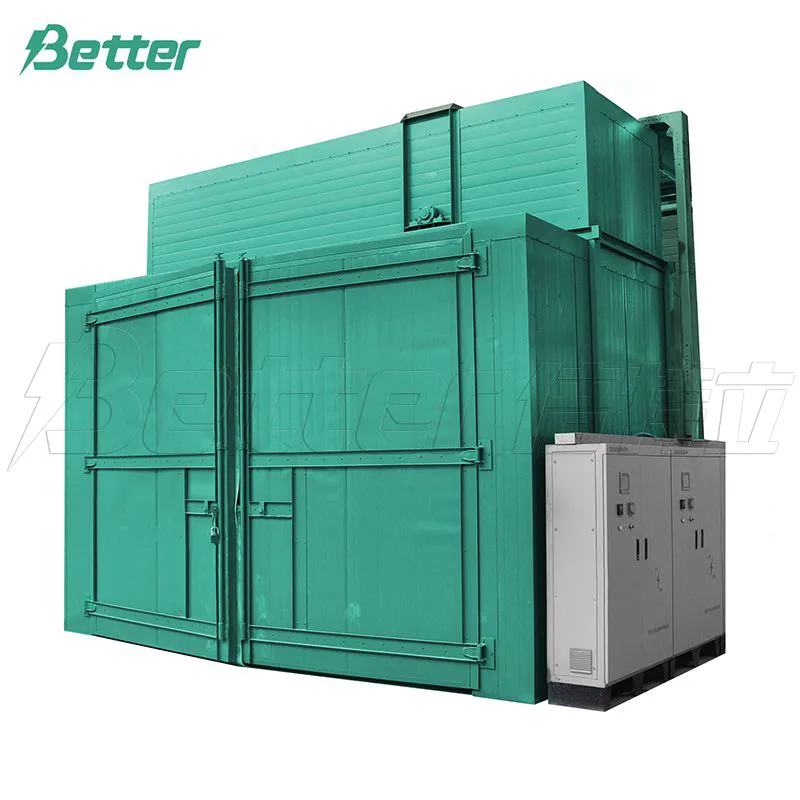
When manufacturers need reliable results in the critical curing and drying phase, the Battery Plate Curing and Drying Chamber from Better Tech delivers clear advantages. It combines both processes in one efficient unit, with PLC and touch-screen controls that store multiple parameter sets for quick setup. Precise regulation holds temperature within ±1°C and moisture within ±2% RH, while 3D air distribution and frequency-modulated fans ensure every plate dries uniformly. Stainless steel construction, automatic doors, and built-in alarms keep operations smooth and safe. The outcome is consistent plate quality, shorter cycle times, and finished lead-acid batteries that perform better and last longer. If you produce batteries and want to reduce variability while boosting output, this chamber is a smart upgrade worth adding to your line.