How Lead Ingots Are Made for Battery Production
2026-04-20 16:12Table of Contents
Why Lead Ingots Matter in Battery Production
Lead ingots form the foundation for lead-acid battery production. They supply the main material that eventually becomes the active paste inside battery plates. If you work in the battery industry or use lead-acid batteries regularly, you know that the starting quality of these ingots influences how well the finished battery holds a charge, resists wear, and performs under load. Small differences at the ingot stage can show up later as shorter runtimes or faster capacity loss in everyday battery use.
In battery manufacturing, lead ingots let producers control the exact makeup of the lead before it turns into oxide powder. This step matters because battery performance depends on clean, consistent lead from the beginning. Many people looking into battery topics want to understand why some batteries last longer than others, and the answer often starts with the ingots. They represent a big part of material costs and directly affect the reliability you expect from car batteries, backup power systems, or energy storage setups.
Paying attention to ingot production helps address practical concerns like supply stability and cost control in the battery sector. As demand for dependable batteries grows, high-quality ingots keep the whole process efficient and predictable. This knowledge gives you a clearer picture of what goes into the batteries you rely on daily.
The Standard Process for Making Lead Ingots
The standard process for making lead ingots for battery production begins with raw lead sources, most often recycled from spent lead-acid batteries. Workers first collect and break down the batteries to separate the lead parts from plastic, acid, and other materials. The lead-bearing portions then move to a smelting furnace where heat turns them into molten lead bullion.
Refining follows in large kettles. Here, controlled oxidation removes impurities such as copper, tin, and antimony so the lead reaches the purity level needed for battery work. Once clean, the molten lead pours into molds and cools into solid ingots, usually weighing about 45 kg each. These ingots then cool fully before storage or shipment to battery plants.
This method has powered the battery industry for years because it recycles material efficiently and allows tight control over composition. In battery production, the ingots later get processed further into powder or alloy forms for plate making. Understanding these steps helps you see where delays or variations might occur and why consistent output matters for smooth battery manufacturing.
Challenges in Lead Ingot Production for Batteries
Lead ingot production for batteries faces several real-world challenges that affect both manufacturers and end users. Impurities can sneak in during refining and later cause corrosion or poor charge acceptance in the finished battery. Keeping levels low requires constant monitoring, which adds time and expense to the battery production line.
Energy use and emissions present another issue. Traditional smelting and refining demand high heat, raising costs and requiring strict controls to limit airborne lead particles. In the battery industry, meeting environmental rules while maintaining output speed is an ongoing task. Workers also need proper protection from lead exposure, which is a standard concern in any facility handling ingots.
Supply consistency adds pressure too. Reliance on recycled batteries means availability can fluctuate, leading to slight changes in ingot quality from batch to batch. These variations can ripple through battery manufacturing and show up as differences in final battery capacity or lifespan. Addressing these challenges helps keep battery production reliable and costs manageable for everyone involved.
How to Ensure Quality Lead Ingots for Battery Manufacturing
Ensuring quality lead ingots for battery manufacturing starts with clear standards on purity and consistency. Most battery applications call for at least 99.9% pure lead so that downstream steps like oxide production stay on target. Lower purity risks introducing elements that weaken plate performance or shorten battery life.
Physical checks matter just as much. Ingots should weigh consistently around 45 kg with clean surfaces and no excessive oxidation. Uniform shape makes handling easier in battery plants and reduces waste during further processing. Battery manufacturers routinely test incoming lots for chemical makeup and physical defects to catch problems early.
In practice, this means working with suppliers who follow documented refining procedures and provide test reports. For anyone sourcing material for battery production, these steps prevent common headaches like uneven paste mixing or plates that fail prematurely. Good quality control at the ingot stage supports stronger, longer-lasting batteries overall.
Advances in Processing Lead Ingots for Better Battery Performance
Advances in processing lead ingots focus on cutting energy use and improving consistency for battery production. Newer methods reduce repeated high-temperature steps, which lowers costs and environmental impact while keeping material quality high. Automation now handles much of the work, making output more predictable from one batch to the next.
One area seeing quick progress is direct granulation from ingots without full melting. This approach feeds ball mills more efficiently for lead powder creation, a key part of battery plate manufacturing. The result is finer control over grain size, which leads to better paste adhesion and improved battery cycle life.
Safety and compliance have improved too, with built-in sensors that protect workers and equipment. These changes help the battery industry meet tighter regulations without slowing down. Overall, modern processing techniques address many older pain points, giving producers a clearer path to reliable, cost-effective batteries that users can trust in daily service.
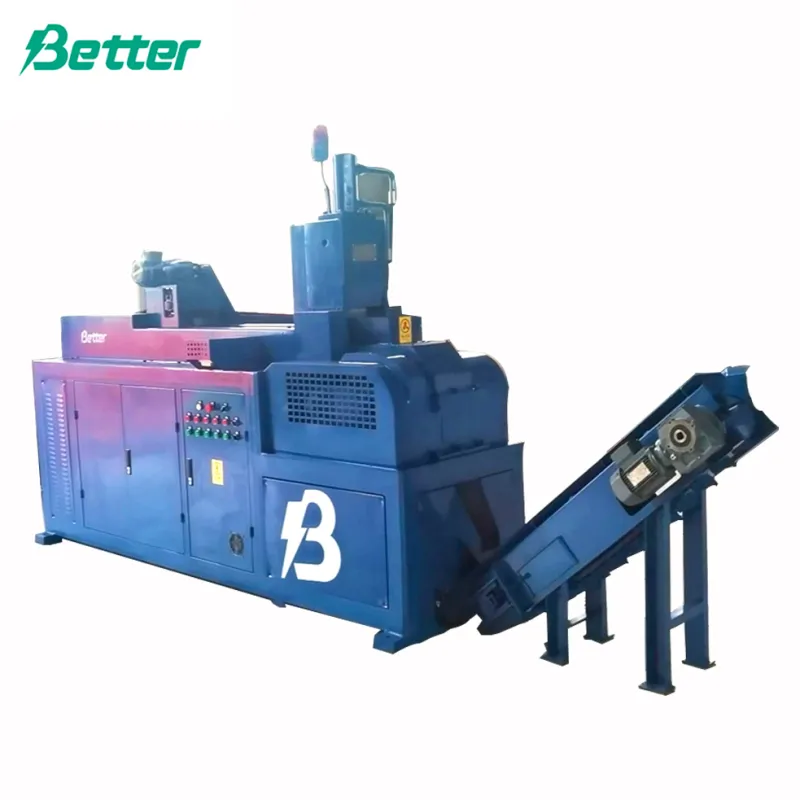
When it comes to streamlining lead ingot handling in battery production, the lead ingot cold cutting machine delivers real advantages. This automated, PLC-controlled system turns standard 45 kg ingots into uniform 75–100 g grains through cold cutting—no melting required. It eliminates the pollution and high energy draw of traditional methods while running at 2.5 to 2.75 tons per hour with actual power use under 15 kW/h. Built-in photoelectric sensors and safety stops reduce accident risk and protect equipment. For battery manufacturers seeking cleaner, faster, and more consistent grain production to feed ball mills and powder lines, this machine is a practical upgrade worth considering.