How grid casting process affects the overall quality of lead-acid batteries
2026-04-22 15:40Table of Contents
What Is the Grid Casting Process in Lead-Acid Batteries?
The grid is the metal framework inside every lead-acid battery plate. It holds the active material that stores and releases energy. In the grid casting process, manufacturers melt a lead alloy and pour it into molds to form these grids. The molten lead fills the mold, cools quickly, and solidifies into a lattice shape with a tab for electrical connection.
This step happens early in production, but it sets the foundation for how the entire battery behaves. Traditional gravity casting or modern continuous casting machines shape the grids. The process must deliver consistent thickness, smooth surfaces, and strong structure. Any variation here carries through to the finished battery you use in your car, backup power system, or industrial equipment.
Users searching for answers about battery life or sudden failures often overlook this hidden step. Yet the way grids are cast directly influences conductivity, corrosion resistance, and mechanical strength. Good casting produces uniform grids that support even current flow and resist wear over hundreds of charge cycles.
Why Grid Quality Matters for Everyday Battery Performance
When you turn the key in your car or count on a UPS during a power outage, you expect reliable power. The grid plays a quiet but critical role. A well-cast grid distributes current evenly across the plate. This helps the battery deliver strong cranking amps when needed and maintain capacity over time.
Poor casting leads to weak spots. Thin areas might overheat or corrode faster. Thick spots can cause uneven paste adhesion, reducing the amount of active material that actually works. In daily use, this shows up as slower engine starts, shorter runtime in devices, or batteries that lose charge faster than expected.
Grid quality also affects heat management. Lead-acid batteries generate heat during charging and heavy discharge. Uniform grids handle this better, lowering the risk of warping or shedding active material. For people who rely on deep-cycle batteries in solar setups or forklifts, consistent grid casting means more cycles before replacement and fewer unexpected downtime issues.
Many users wonder why some batteries last years while others fail within months under similar conditions. The answer often traces back to how precisely the grids were formed during manufacturing. Strong, defect-free grids resist grid growth—the slow expansion that happens with repeated charging—and keep the active material securely in place.
Common Problems Caused by Poor Grid Casting
Users frequently run into issues that stem from inconsistencies in the lead battery grid casting stage. One frequent complaint is premature capacity loss. Grids with porosity or blowholes trap air pockets, weakening the structure and allowing acid to attack the metal more easily. Over time, this increases internal resistance and cuts usable runtime.
Another issue is grid corrosion, especially on the positive plates. Casting defects like uneven cooling create fine cracks or rough surfaces that accelerate oxidation. In real-world conditions—hot engine bays, frequent cycling, or high-humidity environments—this shortens battery life significantly.
Users also notice mechanical problems. Weakly cast grids can deform under vibration or thermal stress, causing active material to shed. You might see this as sludge buildup in the battery case or sudden voltage drops. In extreme cases, deformed grids lead to internal shorts and complete failure.
Production inconsistencies show up as batch-to-batch variation. One set of batteries performs well, while the next lot drains quickly. For fleet operators or businesses using many batteries, this unpredictability creates real headaches in maintenance scheduling and replacement costs.
Temperature control during casting is critical. If the molten lead is too hot or cools too slowly, grains in the metal become coarse, lowering strength and corrosion resistance. If it cools too fast in some areas, the grid may develop internal stresses that appear later as cracks.
Key Factors That Affect Grid Casting Quality
Several controllable elements determine how well the grid casting process turns out. Lead alloy composition comes first. Different mixes of antimony, calcium, tin, or other elements change how the metal flows and solidifies. The right alloy balances castability with long-term durability.
Temperature management is equally important. The lead pot, delivery lines, and mold must stay within tight ranges—typically 450–500 °C for the melt, with precise mold temperatures. Small deviations cause incomplete filling, shrinkage voids, or surface defects.
Cooling rate matters too. Rapid, uniform cooling produces finer grain structure and stronger grids. Machines that control this well reduce defects like warping or blur on the edges.
Mold design and maintenance play a big role. Clean, properly aligned molds ensure consistent thickness across the grid—usually between 1.2 and 4.0 mm depending on the application. Worn molds introduce variations that affect paste adhesion later.
Automation level influences repeatability. Modern grid casting machines use variable frequency drives, pneumatic controls, and quantitative lead supply to keep every cycle stable. This reduces human error and helps manufacturers hit tight tolerances batch after batch.
Finally, post-casting handling—such as flat cutting instead of impact trimming—prevents deformation right after the grid forms. These details might seem technical, but they directly translate to batteries that hold charge better and last longer in your daily use.
How to Spot Signs of Good or Bad Grid Casting in Your Batteries
You cannot see the grids without taking the battery apart, but performance clues reveal a lot. Batteries with well-cast grids usually deliver consistent voltage under load and recover well after deep discharges. They show slower self-discharge when sitting unused and resist sulfation better.
Warning signs of casting-related issues include:
- Sudden drop in cranking power despite a full charge
- Faster than normal capacity fade after 6–12 months
- Excessive heat during normal charging
- Visible bulging or leaking in extreme cases
When shopping for replacement batteries, look for manufacturers that emphasize controlled casting processes and quality alloys. Reputable brands often share details about their production standards, even if they do not list every machine specification.
For those involved in battery assembly or maintenance, checking supplier process controls helps avoid problems downstream. Uniform grid weight, smooth surfaces, and minimal flash on edges are practical indicators of solid casting quality.
In the end, the grid casting process quietly determines how well your lead-acid batteries perform in cars, backup systems, or industrial equipment. Small improvements in casting precision reduce the everyday frustrations of weak starts, short runtime, or frequent replacements.
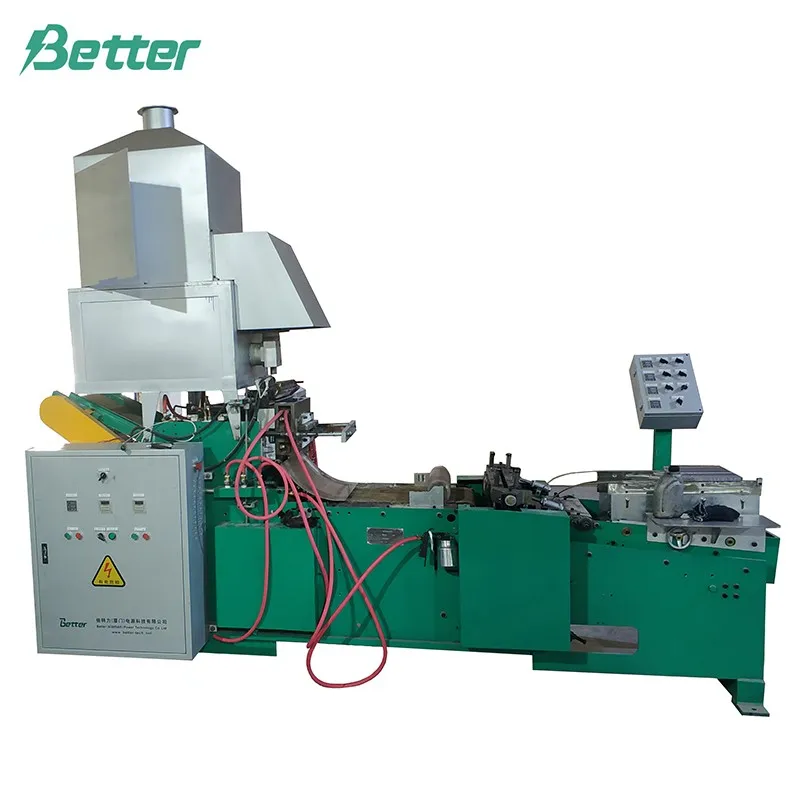
If you are a battery manufacturer looking to upgrade production, consider equipment that delivers consistent results with less hassle. The Lead Battery Grid Casting Machine from Better Tech stands out for its flat cutter design that prevents grid bending and deformation during trimming. It uses imported frequency converters for smooth speed control, pneumatic systems for reliable mold operation, and quantitative lead supply that is easy to maintain. Production rates reach 8-17 panels per minute with grid sizes up to 370×(110-180)×(1.2-4.0) mm. Optional scrap recycling reduces labor, while multiple heating options and stable mechanics keep energy use reasonable and downtime low. These features help produce uniform, high-quality grids that translate into better-performing lead-acid batteries for your customers. It is a practical choice for operations that want reliable output without constant adjustments.