



- Home
- >
- Battery Machine
- >
- Battery
- >
News
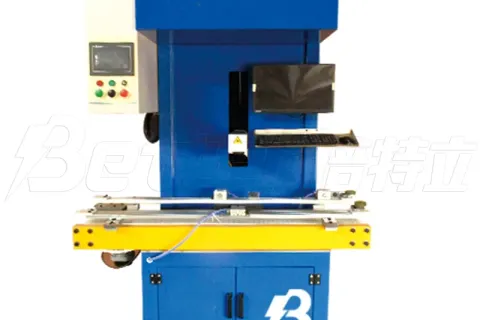
You've seen them: the small, often laser-etched strings of numbers and letters on the casing of your phone battery, laptop battery, or even the larger batteries for power tools and electric vehicles.

When you hear "battery," you likely picture a ready-to-use unit you buy from a store. A dry charge battery, also known as a dry charged battery, is different. It is shipped and stored in an inactive state.
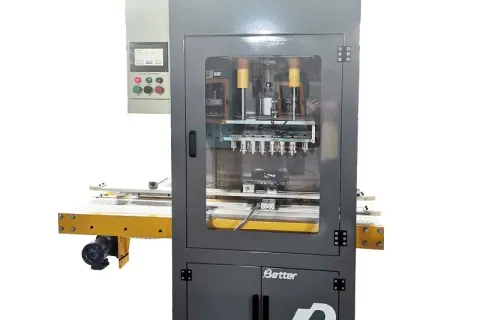
When you think of a battery failing, you might picture it simply going dead and losing power. However, a more serious, and sometimes hazardous, form of failure is battery leakage.
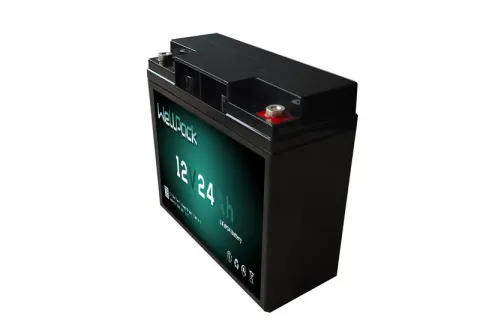
Before you try to fix anything, you need to know what you're dealing with. A damaged or faulty battery usually shows one of three clear signs: leakage, corrosion, or swelling.
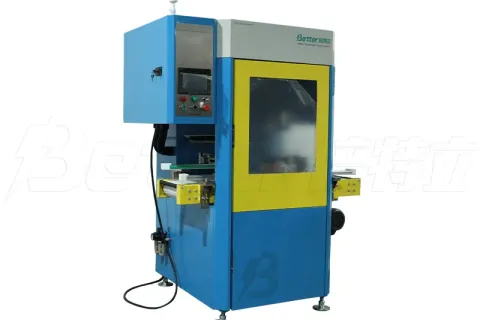
A battery is not just a container for chemical reactions; it is a precisely engineered power unit. One of the most critical steps in its production is heat sealing
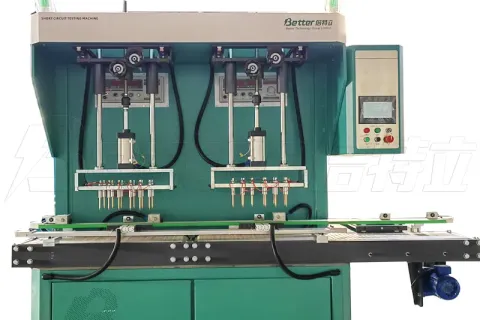
When you use batteries in your phone, laptop, electric vehicle, or even children's toys, you're relying on safety systems that prevent catastrophic failures.
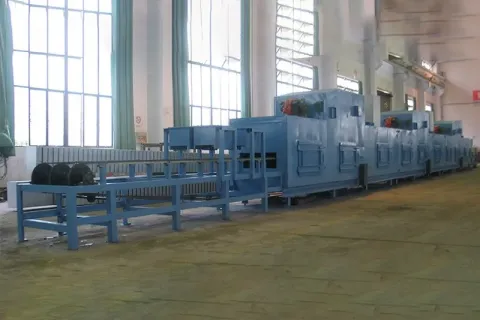
After plate formation and plate washing, the negative plate holds a lot of water inside the active mass. As that water leaves, the plate shrinks. Shrinkage itself is not the problem. The problem starts when the shrinkage is not uniform.
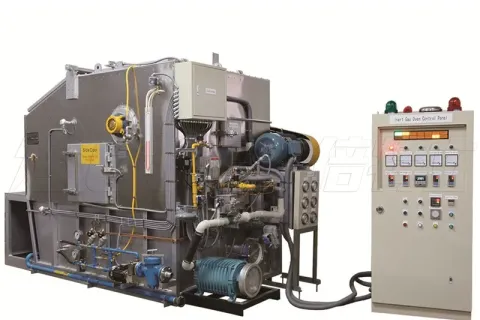
Lithium batteries power everything from your phone and laptop to electric vehicles and home energy storage. Many everyday frustrations trace back to how these batteries interact with oxygen during manufacturing or use.

Lithium-ion batteries are not a single product but a vast family. Under different classification dimensions, battery performance, cost, and applicable scenarios vary significantly.
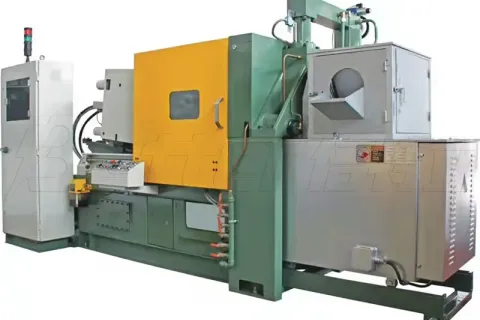
Tubular lead acid batteries power many systems people rely on daily, from home inverters during power cuts to backup for offices, telecom towers, and solar setups.
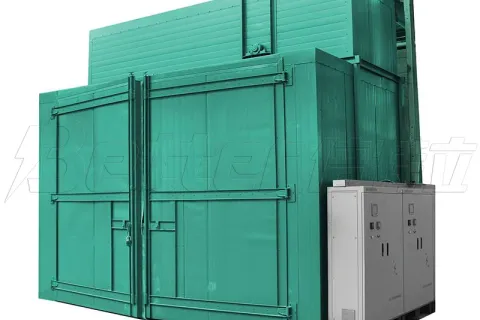
The drying stage in lead-acid battery manufacturing plays a quiet but decisive role here. It shapes how well the plates hold their structure and how efficiently the battery stores and releases energy over time.
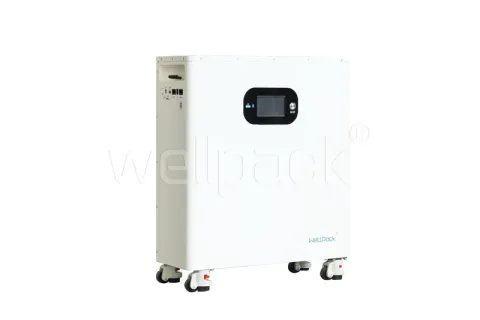
Think about how long you want backup power to last. A short blackout might need only a few hours of support, while areas prone to storms could call for a full day or more. Peak power demand matters too.