


News
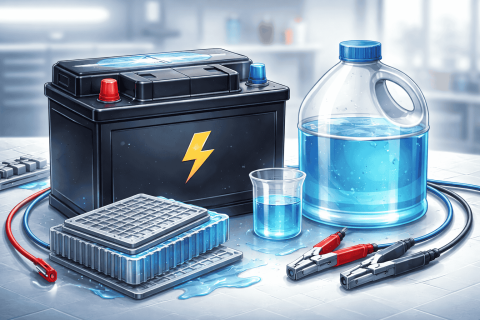
Sulfuric acid H₂SO₄ serves as the electrolyte in lead acid batteries. Its job is to conduct ions between the positive and negative plates during charging and discharging.
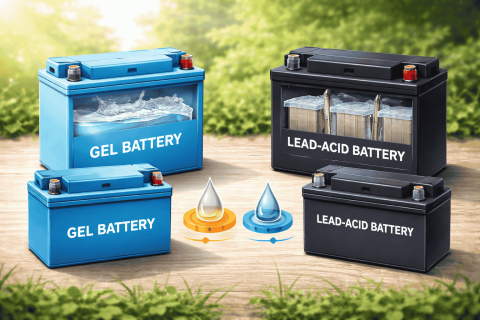
The fundamental difference between gel and standard flooded lead-acid batteries lies in the electrolyte. Both battery types use lead plates and sulfuric acid to create a chemical reaction that stores and releases electrical energy. However, in a traditional flooded lead-acid battery, the electrolyte is a free-flowing liquid.
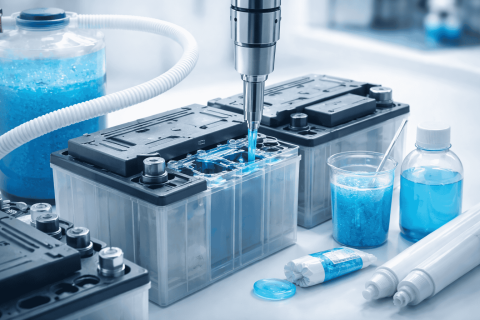
You've likely heard of lead-acid batteries, the workhorses powering everything from your car to backup systems for computers and hospitals. Inside these batteries, there's a critical component: the electrolyte.
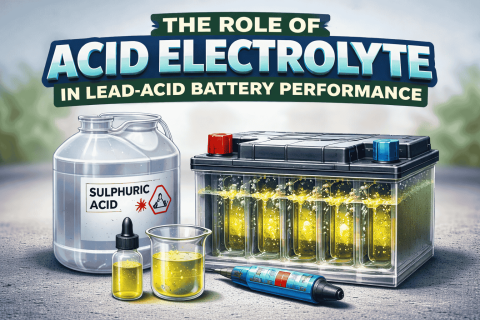
Inside every lead-acid battery, the key ingredient that makes it work is a liquid called the electrolyte. It is a mixture of sulfuric acid and distilled water.

You've seen them: the small, often laser-etched strings of numbers and letters on the casing of your phone battery, laptop battery, or even the larger batteries for power tools and electric vehicles.

When you hear "battery," you likely picture a ready-to-use unit you buy from a store. A dry charge battery, also known as a dry charged battery, is different. It is shipped and stored in an inactive state.
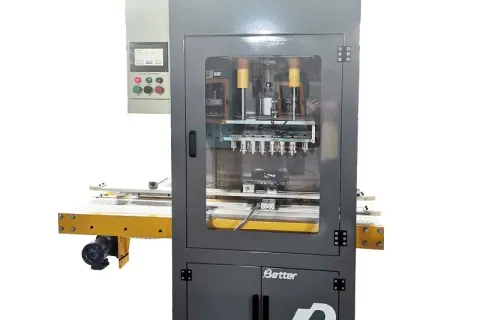
When you think of a battery failing, you might picture it simply going dead and losing power. However, a more serious, and sometimes hazardous, form of failure is battery leakage.
A storage battery, also known as a rechargeable battery, is a device capable of storing chemical energy and converting it into electrical energy when needed. It is widely used in various fields such as household appliances, power systems, and transportation vehicles.
When you're looking at electric vehicles, you'll often hear about two main types of battery chemistry: LFP and NMC. These acronyms can seem confusing, but they simply refer to the materials used inside the battery cells. Understanding this basic difference is the first step to making an informed choice.
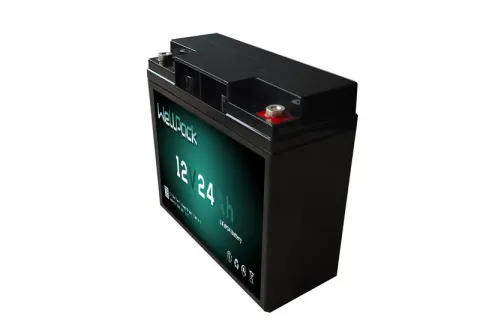
Before you try to fix anything, you need to know what you're dealing with. A damaged or faulty battery usually shows one of three clear signs: leakage, corrosion, or swelling.