



- Home
- >
News
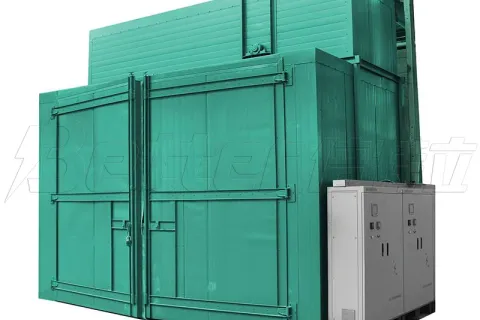
The drying stage in lead-acid battery manufacturing plays a quiet but decisive role here. It shapes how well the plates hold their structure and how efficiently the battery stores and releases energy over time.
In today's diverse new energy battery landscape, lithium-ion technology dominates. However, one secondary battery, born over 160 years ago, continues to hold an irreplaceable position in automotive, telecommunications, and energy storage—the lead-acid battery.
Lead-acid batteries keep cars starting, backup systems running, and industrial equipment powered every day. Yet many users notice the same frustrations: batteries that lose charge faster than expected, sudden drops in performance, or the need to replace units much sooner than planned.
According to the latest research report, the global automotive lead-acid battery market is projected to reach USD 35.291 billion by 2032, with a compound annual growth rate (CAGR) of 6.50% from 2026 to 2032.
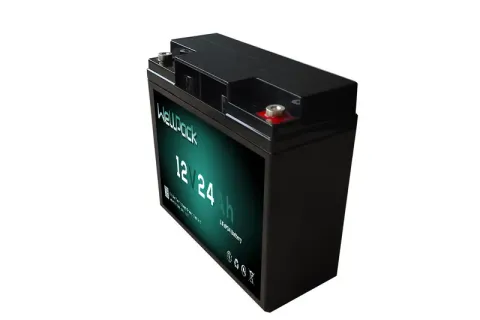
Since French scientist Gaston Planté invented the lead-acid battery in 1859, it has been widely used in transportation, communications, power, railways, mining, ports, defense, computers, and scientific research due to its high safety, low cost, and excellent recyclability
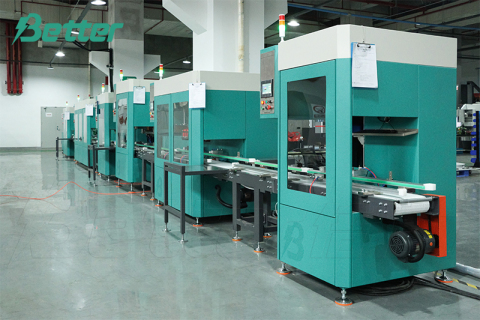
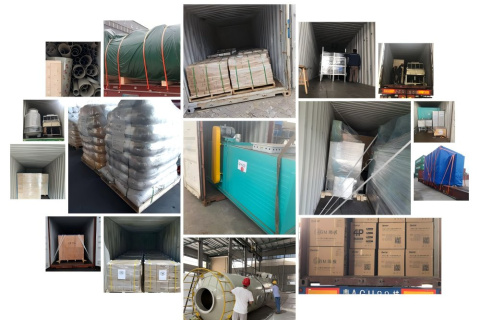
At Better Technology Group Limited, we've designed a turnkey solutions for battery manufacturing that supports businesses crafting lead-acid batteries for motorcycles, vehicles, or industrial equipment.

Zambia, July 24, Airumi New Energy, an overseas subsidiary of Better Technology Group Limited (hereinafter referred to as Better Tech Group), held a charity donation event in Zambia, providing footballs to the country’s Ministry of Youth Sport and Arts. This initiative aims to support sports programs in under-resourced schools and communities, offering tangible assistance to local youth development and also adding a heartwarming chapter to the China-Zambia friendship.
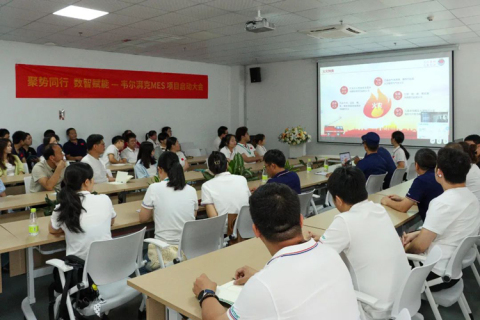
On June 25, Better Technology Group Limited (referred to as Better Tech Group) organized a fire safety training and drill activity at its factory. The event featured expert guidance from the local fire brigade, with participation from all factory staff and department representatives.
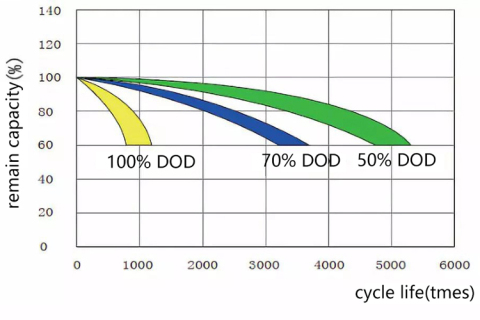
Understanding core technical parameters is critical when selecting lead-acid batteries (especially gel or lead-carbon types). This guide breaks down rated voltage, max charge/discharge currents, depth of discharge (DOD), cycle life, and power calculations to help you optimize battery lifespan and system design.
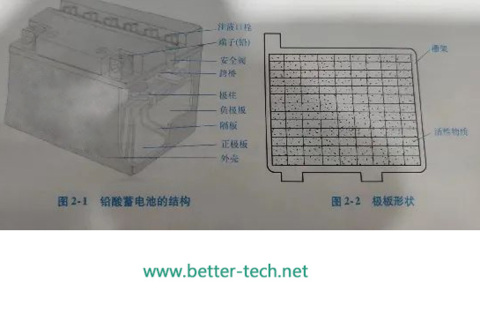
Lead-acid batteries are composed of important parts such as positive and negative plates, separators, plastic containers, poles and safety valve
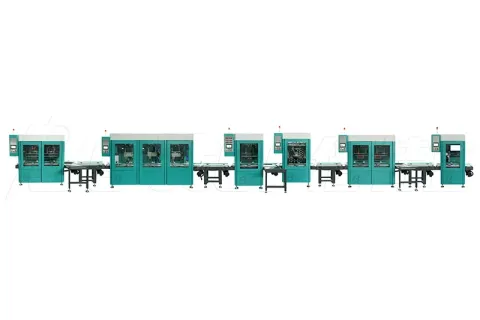
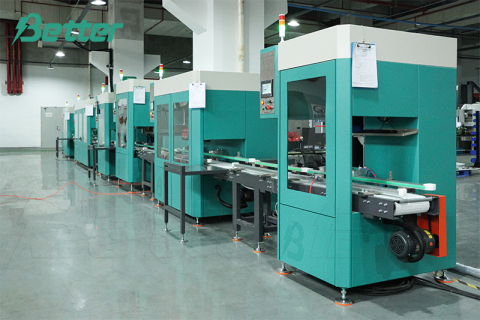
Lead-acid battery production equipment is an important factor that affects the quality and performance of lead-acid batteries. It has various types for different purposes and processes, such as plate making machines, assembly machines, formation machines, etc.