



- Home
- >
News
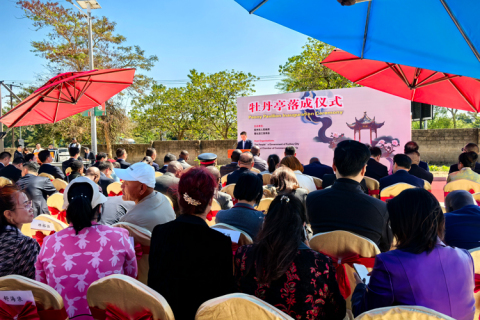
Recently, Airumi New Energy, the overseas subsidiary of Better Technology Group Limited (Referred to as Better Tech Group), sponsored the Peony Pavilion in Zambia, contributing to the enduring friendship between China and Zambia.
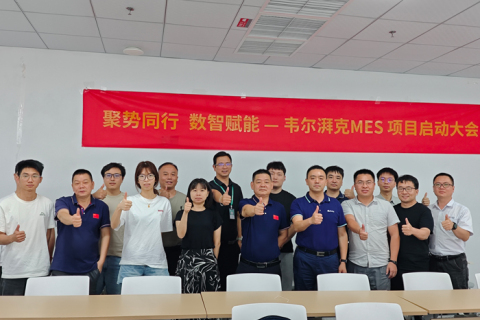
Recently, Wellpack New Energy Technology (referred to as Wellpack), a domestic subsidiary of Better Technology Group Limited (referred to as Better Tech Group), held its MES project kickoff meeting under the theme "Powering Progress Through Digital Intelligence" at the group's factory. Senior leadership, R&D, technical teams, and project partners attended the meeting.
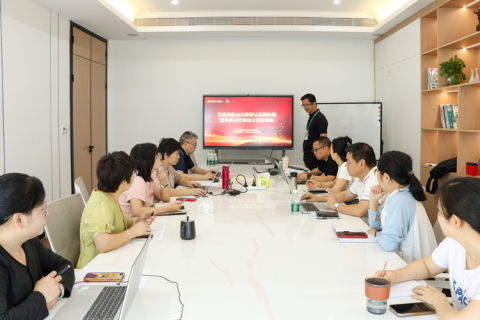
Recently, Better Tecchnology Group Limited (hereinafter referred to as Better Tech Group) held a kick-off meeting for the advanced AEO certification of the customs.
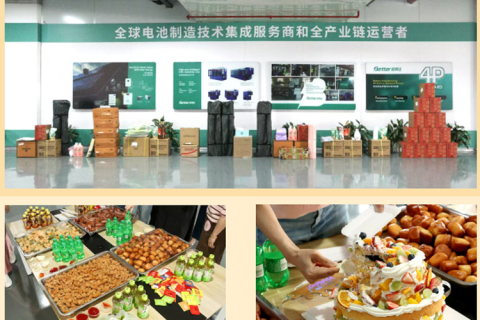
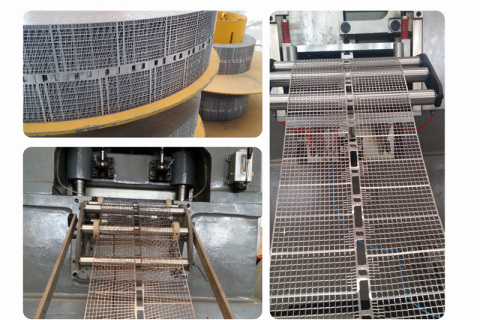
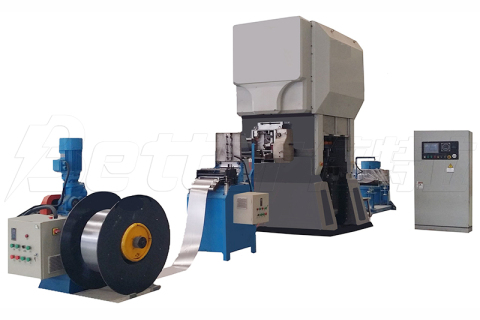
The Punching line machine is far more than a simple press. It’s a sophisticated, integrated system engineered for the express purpose of producing high-quality battery grids efficiently and consistently. By automating the journey from raw lead strip to finished grid, it plays a vital role in streamlining the battery assembly line and forms the foundation for reliable, high-performance lead-acid batteries. Investing in such technology is key for manufacturers focused on quality and competitive production.
Identifying these faults prevents potentially dangerous or underperforming batteries from reaching the end-user.
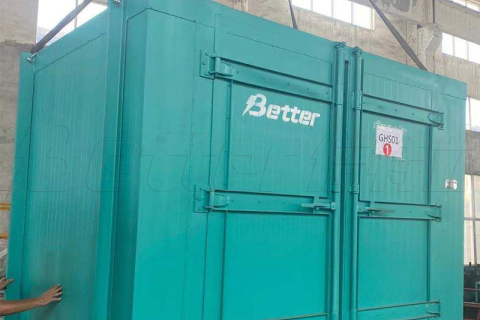
Our Plate Manufacturing Machine—aka the battery plate curing and drying chamber—brings versatility, precision, and toughness to the table. It’s designed to make your production smoother, your plates better, and your life easier. Whether you’re cranking out batteries for cars, gadgets, or anything else, this curing chamber for battery plates ensures top-quality results every time.
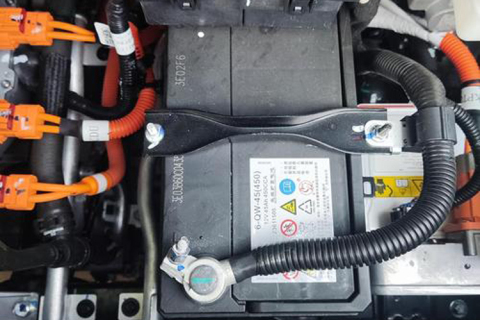
If battery overheating is caused by excessive discharge current, there may be the following reasons
On February 27, 2025, the Xiamen Municipal Department of Commerce released the "Notice on the Fourth Batch of Xiamen's Foreign Trade Independent Brand Cultivation Enterprises", among which Better Technology Group Limited (hereinafter referred to as Better Tech Group) was honored as an Outstanding Brand Enterprise in the category of Xiamen's Foreign Trade Independent Brand Cultivation Enterprises.