



- Home
- >
News
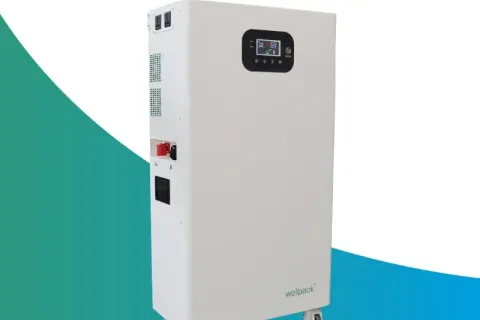
Discover the most common mistakes when choosing a home energy storage system—from incorrect sizing to warranty pitfalls. Learn what to look for and how to pick a system that actually meets your needs. Practical advice for homeowners considering battery storage.
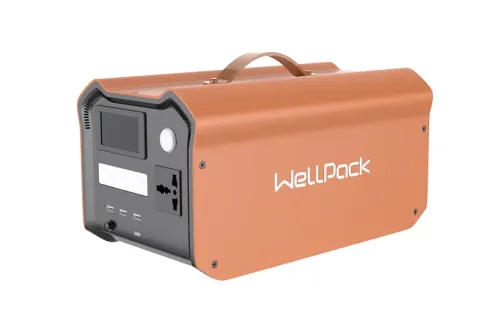
For most campers, the sweet spot sits around the 1000Wh mark with a weight under 10kg. That's enough capacity for real utility without turning your campsite setup into a heavy-lifting exercise.
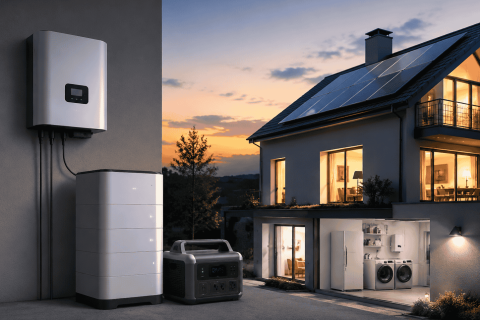
Lithium-ion battery technology has transformed home energy storage. Specifically, LiFePO4 (lithium iron phosphate) chemistry offers major advantages over older lithium-ion variants. It's inherently safer—much less prone to overheating or thermal runaway.
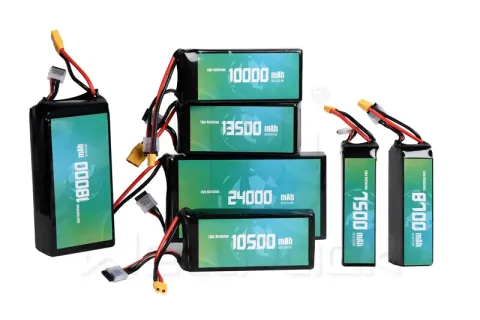
Before you plug in any drone battery, take a close look at its physical condition. A swollen, dented, or cracked lithium battery is dangerous.
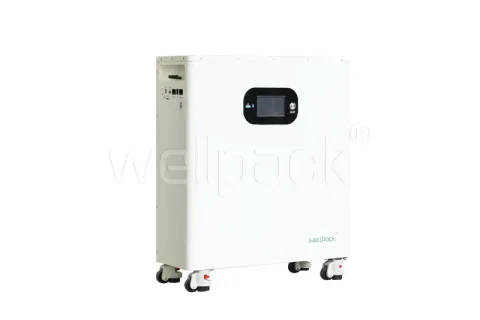
Choosing the right kWh capacity for your household solar energy storage battery is one of the most important decisions you will make when setting up a home solar system. Get it wrong, and you might end up with a battery that is too small to cover your needs during cloudy days or nighttime, or too large and expensive for what you actually use.
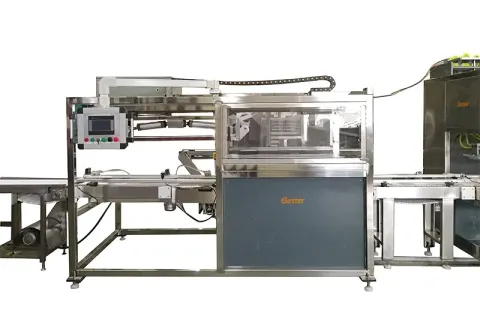
You might wonder: isn't it cheaper to just have workers drain batteries manually? On the surface, yes. But when you factor in labor costs, injury risk, downtime from spills, and inconsistent quality, manual draining quickly becomes more expensive.
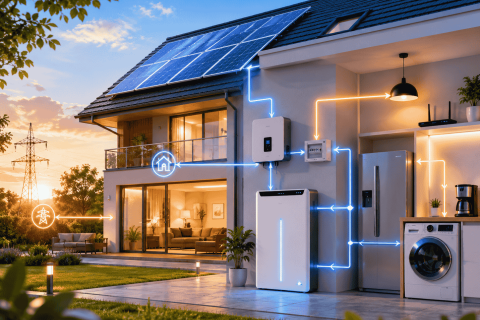
A home battery is essentially a rechargeable energy storage system that sits inside or outside your house, typically connected to your electrical panel. Its core job is to store electricity when it's cheap or abundant and release it when you need it most.
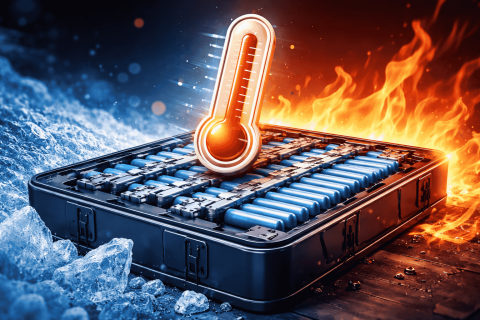
The battery electrolyte temperature directly influences the chemical reactions happening inside the battery.

Crossing mountains and seas to co-create a new energy future. On June 4, 2026, the International New Energy Study Tour delegation — consisting of representatives from Indonesia, South Africa, Turkey, Gambia, Honduras, and other countries — visited Better Technology Group for a factory tour, discussions, and exchange.
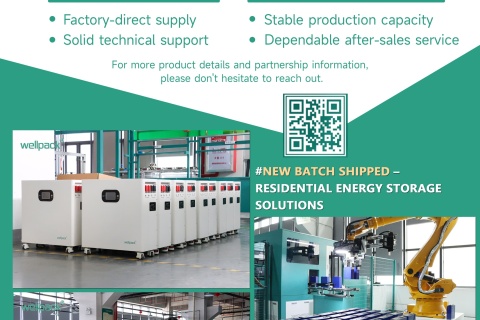
Better Technology Group Limited's lithium battery manufacturing facility, Wellpack, has recently completed delivery of another batch of distributor orders for overseas markets.
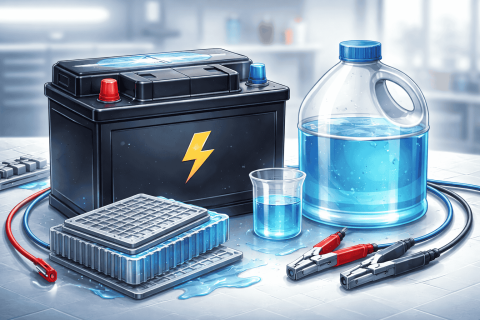
Sulfuric acid H₂SO₄ serves as the electrolyte in lead acid batteries. Its job is to conduct ions between the positive and negative plates during charging and discharging.
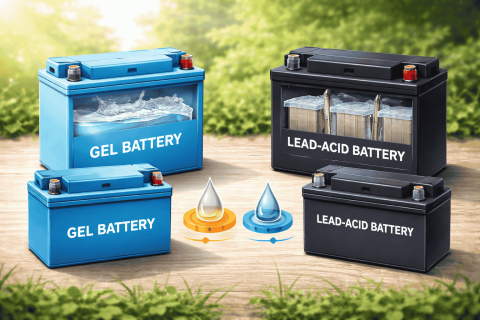
The fundamental difference between gel and standard flooded lead-acid batteries lies in the electrolyte. Both battery types use lead plates and sulfuric acid to create a chemical reaction that stores and releases electrical energy. However, in a traditional flooded lead-acid battery, the electrolyte is a free-flowing liquid.