How to Calculate How Long a Power Station Lasts
2026-03-05 10:25Table of Contents
Understanding Power Station Capacity
When you're dealing with a power station, the first thing to grasp is its capacity. This is basically how much energy it can store, measured in watt-hours (Wh) or sometimes ampere-hours (Ah) if you're looking at the battery specs. For most users, watt-hours make more sense because they directly relate to how long your gadgets can run. A higher capacity power station means more stored energy, which translates to longer runtime for your devices during outages or off-grid trips. Think about it like a fuel tank in your car—the bigger it is, the farther you can go without refilling.
Power stations come in various sizes, from small ones around 200Wh for charging phones to larger models over 1000Wh that can handle appliances like fridges or power tools. If you're wondering how long a power station lasts, start by checking the label or manual for its total watt-hour rating. This number is key because it sets the baseline for all your calculations. Without knowing this, you're just guessing, and that can lead to surprises when you need power the most.
Also, keep in mind that not all of the stated capacity is usable. Most power stations have an efficiency rating, often around 85-95%, meaning some energy gets lost in conversion. So, if your power station is rated at 500Wh, you might only get about 425-475Wh in real use. This is important for anyone trying to figure out power station runtime accurately.
Identifying Your Device's Power Consumption
Next up is figuring out what your devices actually use in terms of power. Every gadget has a power draw, usually listed in watts (W) on the charger or the device itself. For example, a laptop might pull 60W, while a phone charger could be just 10W. If it's not obvious, look for the input specs on the adapter—something like "Input: 100-240V, 1.5A" can be converted to watts by multiplying volts by amps.
For variable devices like fans or lights, the consumption might change based on settings, so use the average or maximum draw depending on your needs. When planning how long a power station lasts, list out all the devices you plan to connect and note their wattage. This step helps you avoid overloading the power station, which could shut it down prematurely.
Don't forget about standby power or idle draw. Some devices sip energy even when not in active use, like a router or a smart speaker. Adding these up gives a clearer picture of total consumption. For those searching for power station tips, this is where many people trip up—they underestimate the little things that add up over time.
The Basic Calculation Formula
Once you have the capacity and consumption numbers, the math is straightforward. The formula to calculate how long a power station lasts is: Runtime (hours) = Power Station Capacity (Wh) / Device Power Consumption (W). This gives you the estimated hours of operation for a single device.
If you're running multiple devices, sum their wattages first, then plug that total into the formula. For instance, with a 300Wh power station and devices totaling 50W, you'd get about 6 hours. But remember, this is a rough estimate—real-world factors can adjust it.
To make it more precise, factor in the efficiency loss: Adjusted Runtime = (Capacity * Efficiency) / Consumption. If efficiency is 90%, multiply capacity by 0.9 before dividing. This tweak is crucial for users who want reliable power station duration estimates, especially in critical situations like camping or home backups.
Factors Affecting Runtime
Several things can influence how long your power station actually runs. Temperature plays a big role—extreme cold or heat can reduce battery efficiency, sometimes by up to 20-30%. If you're using it outdoors, keep it in a moderate environment to maximize runtime.
The type of output also matters. AC outlets might have more conversion losses compared to DC ports, so for efficiency, use USB or DC when possible. Inverter efficiency in the power station itself varies by model, with better ones losing less energy.
Age and cycle count of the battery affect performance too. Over time, capacity degrades, so a year-old power station might not hold as much as when new. For those calculating power station longevity, check the manufacturer's specs on cycle life—most lithium-ion based ones last 500-1000 cycles before noticeable drop-off.
Load type is another factor. Constant high loads drain faster than intermittent use, and some power stations have surge limits that could trip if exceeded. Understanding these helps in predicting accurate power station runtimes for daily needs.
Tips for Accurate Estimation
To get better at estimating, always test your setup in advance. Plug in your devices and time how long the power station lasts under normal conditions. This real-world check beats theoretical calculations every time.
Use a watt meter if you can—it's a small device that measures exact consumption and helps refine your numbers. For power station users, this tool is invaluable for spotting inefficiencies.
Plan for reserves. Don't run the battery to zero; aim to use only 80-90% to prolong its life and avoid sudden shutdowns. When figuring out how long a portable power station lasts, building in a buffer ensures you're not left in the dark.
Consider recharging options. If you have solar panels or a car charger, factor in how quickly you can top up the power station during use. This extends effective runtime in scenarios like long trips.
Common Mistakes to Avoid
One frequent error is ignoring the difference between peak and continuous power. A power station might handle a 1000W surge but only 500W steadily—exceeding the continuous rating shortens runtime or causes issues.
Another is not accounting for self-discharge. Power stations lose a bit of charge over time when not in use, so if it's been sitting for weeks, check the level before relying on it.
Mixing up units trips people up too—confusing watts with watt-hours leads to wrong calculations. Always double-check: capacity in Wh, consumption in W.
Lastly, overlooking firmware updates or maintenance. Keeping your power station updated can improve efficiency and accuracy in its own runtime displays.
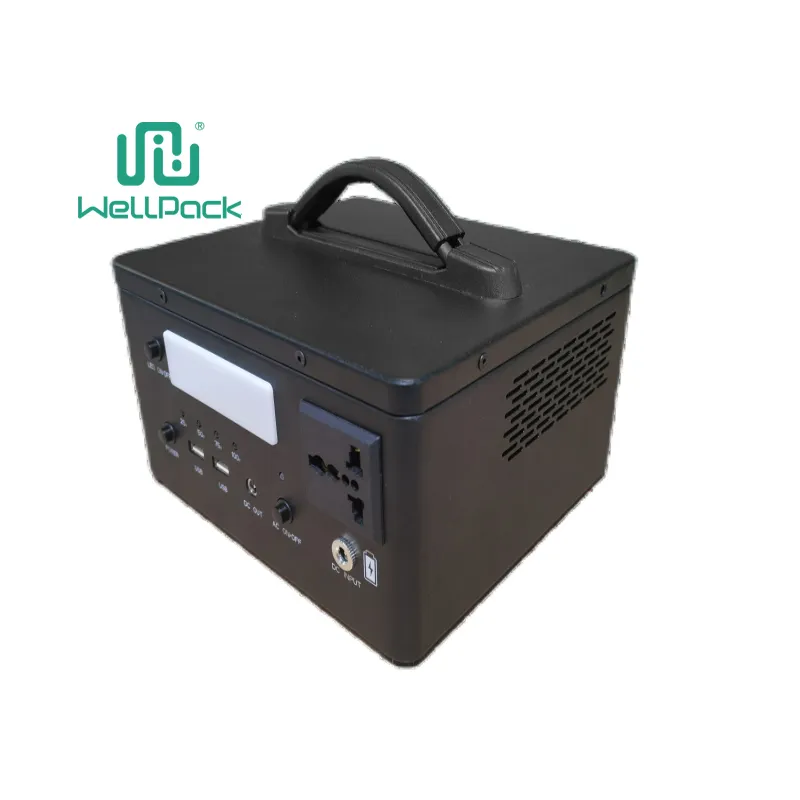
If you're looking for a reliable power station that makes these calculations easier, consider the portable power generator from Better Tech. It features high-capacity lithium batteries with excellent efficiency, clear LCD displays for real-time monitoring, and multiple output ports to handle various devices without much loss. Users appreciate its robust build for outdoor use and quick charging capabilities, whether from wall outlets or solar inputs. For anyone needing a dependable backup during power outages or adventures, this model stands out with its long cycle life and safety features like overcharge protection. Check it out at portable power generator for more details and to see if it fits your needs.