What Is COS in Lead Acid Battery Manufacturing
2026-03-17 14:35Table of Contents
1. COS Meaning in Battery Production
2. The COS Process in Lead Acid Battery Assembly
3. Why COS Matters for Battery Performance
4. Common Challenges in COS Manufacturing
5. Key Factors for Successful COS Results
6. Equipment Used in COS Operations
7. Benefits of Automation for COS Machines
8. How COS Quality Impacts Battery Users
9. Tips for Better COS in Production Lines
COS Meaning in Battery Production
COS stands for Cast On Strap, a key step in making lead acid batteries. In battery manufacturing, plates inside each cell need solid connections so current flows evenly. The COS process creates these links by pouring molten lead around the plate lugs to form straps. Without this step, a lead acid battery would have loose parts and poor power delivery. Many people searching for battery information want to know why some units last years while others fail early. The answer often starts with how well manufacturers handle COS in lead acid battery production. This method connects all positive plates together and all negative plates separately, turning separate plates into one working element ready for the battery case.
The COS Process in Lead Acid Battery Assembly
After plates are pasted and cured, workers or machines stack them into groups with separators in between. The lugs, those small tabs sticking out from each plate, get lined up perfectly. Next comes cleaning and flux dipping to remove oxides and help the lead stick properly. The group then moves to a mold filled with hot lead alloy. The lugs dip in, the lead flows around them, and it cools fast to harden into a strap. This creates the bus bar that joins every plate of the same polarity. In lead acid battery manufacturing, this entire sequence happens quickly on modern lines. The result is a complete cell element that can handle daily charge and discharge cycles. People who deal with batteries in factories or repair shops often notice that skipping proper alignment or flux here leads to weak spots later.
Why COS Matters for Battery Performance
Strong COS joints mean low internal resistance inside every lead acid battery. Current moves smoothly from plate to plate without extra heat or voltage drop. This directly affects how long the battery holds a charge and how well it starts engines or powers equipment. In battery manufacturing, a good strap connection also adds mechanical strength so the plates stay fixed even under vibration or heavy use. Weak connections raise resistance, cause uneven wear on plates, and shorten overall battery life. Users who rely on batteries for work or daily needs want consistent power without sudden drops. The COS step ensures each lead acid battery delivers reliable output because the straps form the backbone of the entire electrical path inside the cell.
Common Challenges in COS Manufacturing
Many issues show up during the cast on strap stage in lead acid battery production. Oxides on lugs can stop the molten lead from bonding fully, creating gaps that trap air or impurities. If the lead cools too fast or too slow, porosity or cracks form inside the strap. Flux that is not applied evenly leaves spots where the joint stays weak. Temperature swings in the lead pot make some straps thicker or thinner than others, leading to uneven current flow across the battery. In busy production lines, these problems cause high reject rates and extra rework. Technicians often check finished batteries for loose straps or high resistance exactly because of COS mistakes. Fixing these challenges helps manufacturers turn out lead acid batteries that meet daily demands without early failures.
Key Factors for Successful COS Results
Several details decide whether a COS joint holds up in a finished lead acid battery. The alloy mix in the strap, often including small amounts of antimony or calcium, controls strength and corrosion resistance. Melt temperature needs careful control, typically around 460 degrees Celsius, to get good flow without burning the flux. Lug preparation matters a lot: clean brushing plus the right flux creates a surface that the lead wets completely. Cooling speed after casting affects crystal structure inside the strap. Even mold design and release agents keep the strap shape clean and easy to remove. When all these line up in battery manufacturing, the result is uniform straps that support long service life. Production teams track these factors closely because small changes can shift an entire batch of lead acid batteries from reliable to problematic.
Equipment Used in COS Operations
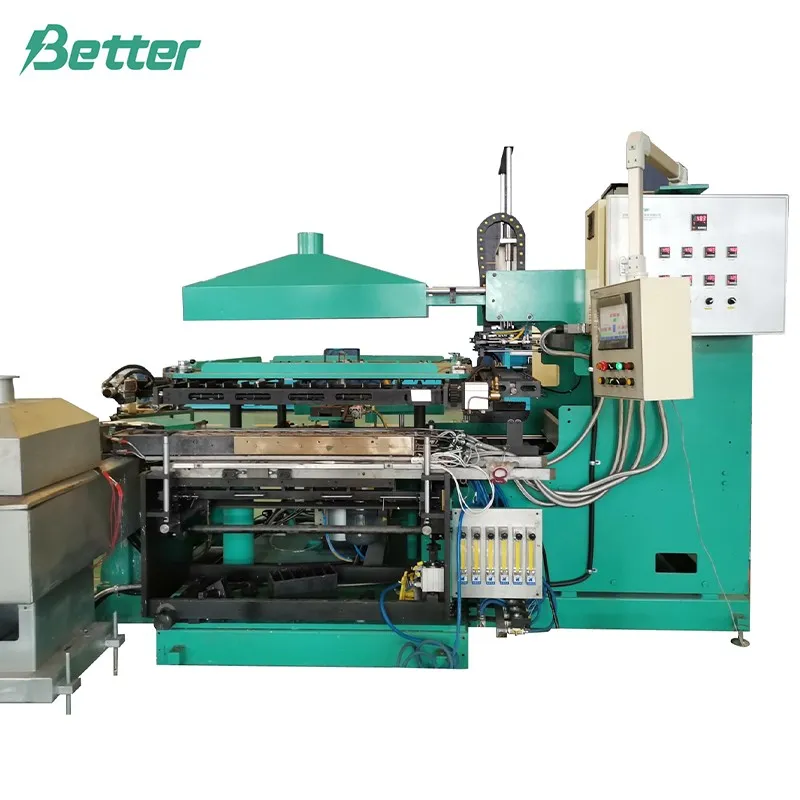
Special machines handle the cast on strap work in modern lead acid battery plants. Lead pots keep the alloy at steady heat, while molds shape the straps around the lugs. Flux stations apply the liquid evenly before dipping. Pneumatic arms move plate groups from one station to the next without manual lifting. PLC systems monitor every parameter in real time and adjust automatically. In battery manufacturing, these tools replace older manual torch methods that were slower and less consistent. The equipment also includes water cooling loops and recycling systems to manage heat and reduce waste. Good setups allow quick changeovers between different battery sizes, helping factories stay flexible while keeping quality high for every lead acid battery they build.
Benefits of Automation for COS Machines
Automated COS machines cut down human error and speed up the whole line in lead acid battery manufacturing. They deliver the same strap shape and thickness on every group because temperature, timing, and flux stay constant. Cycle times drop to 20-40 seconds per group depending on battery type, letting plants produce hundreds of units per shift. Less lead waste and fewer defective straps mean lower material costs and cleaner floors. Operators simply load groups and unload finished elements while the machine handles the precise casting and welding. This consistency shows up in the final battery as stable voltage and longer cycle life. Factories that switch to automation often see reject rates fall sharply, making it easier to meet tight delivery schedules for lead acid batteries used in cars, backup power, and industrial tools.
How COS Quality Impacts Battery Users
End users feel the effects of good or poor COS every time they depend on a lead acid battery. Solid straps keep internal resistance low, so the battery charges faster and holds power longer during daily use. In manufacturing or repair work, batteries with reliable connections reduce downtime because they start equipment without hesitation and resist vibration damage. When COS joints are weak, heat builds up faster inside the cell, plates corrode sooner, and capacity drops earlier than expected. People who buy or maintain batteries want to avoid these surprises. The cast on strap step in production decides whether a lead acid battery performs steadily or needs frequent replacement. Understanding this helps users choose suppliers who pay attention to every detail of battery manufacturing.
Tips for Better COS in Production Lines
Keep lead pots calibrated and check melt temperature several times per shift to stay within the safe range. Use fresh flux and replace it before it loses strength. Train staff to inspect lugs for clean surfaces before stacking. Schedule regular mold cleaning to prevent buildup that ruins strap shape. Monitor cooling water flow so straps harden evenly without stress cracks. Record data from the PLC on each batch to spot trends before problems grow. These simple habits raise the success rate of cast on strap operations and cut waste in lead acid battery manufacturing. Over time, consistent attention here produces batteries that users trust for years of service.
In lead acid battery manufacturing, choosing the right cast on strap equipment makes a real difference in output quality and speed. Our company's Four Station COS Machine automates the full workflow with four clear stations for loading, lug preparation and flux dipping, precise casting and welding, and smooth unloading. It handles automotive, VRLA, and tubular batteries from 36Ah to 200Ah with cycle times as short as 20 seconds for starting types, delivering uniform straps every time through Mitsubishi PLC control and reliable pneumatics. The built-in water recycling system keeps operations clean and efficient while optional tin dipping or copper terminal features add flexibility. This setup reduces defects, lowers labor needs, and helps produce lead acid batteries with strong, low-resistance connections that last longer. Explore the full specifications and see how it fits your production needs at Four Station COS Machine.