Key Processes of Lead‑Acid Battery Grid Manufacturing
2026-04-07 16:30Table of Contents
1. Why the Grid Makes or Breaks Your Battery Performance
2. Picking Lead Alloys That Stand the Test of Time
3. Turning Raw Lead into Usable Strips
4. Slitting the Strips to Get Ready for Expansion
5. Carrying Out the Expanding Process Efficiently
6. Shaping the Lugs and Finishing Each Grid
7. Running Quality Checks to Catch Issues Early
8. Connecting Manufacturing Steps to Real-World Battery Use
Why the Grid Makes or Breaks Your Battery Performance
The grid is the backbone of every lead-acid battery. It holds the active material in place and carries the electric current. When you deal with a dead car battery on a cold morning or a UPS system that quits during a power outage, poor grid quality is often the hidden culprit. Manufacturing the grid right from the start prevents warping, corrosion, and early capacity loss. Most users never see this part, but it directly decides how long the battery lasts and how reliably it performs under daily loads.
Picking Lead Alloys That Stand the Test of Time
Everything starts with the right alloy mix. Manufacturers blend pure lead with small amounts of calcium, tin, and sometimes antimony to create a material that resists corrosion while staying strong enough to support heavy paste loads. The choice affects how the battery handles heat, vibration, and repeated charging cycles. Too much of one element and the grid becomes brittle; too little and it corrodes faster in humid or high-temperature environments. Getting this balance correct early means the finished battery grid will maintain its shape and conductivity for years of regular use.
Turning Raw Lead into Usable Strips
Once the alloy is ready, it gets cast or rolled into thin, uniform strips. This step ensures consistent thickness across the entire width so later processes do not create weak spots. Workers feed molten alloy through controlled rollers or continuous casting machines to reach the exact gauge needed for the final grid. Any variation here shows up later as uneven current flow or paste shedding. For everyday battery applications, this uniformity translates into steady voltage output whether you are starting an engine or powering tools on a job site.
Slitting the Strips to Get Ready for Expansion
Slitting cuts the solid strip into narrow ribbons that will form the grid framework. Precision blades slice along calculated lines, leaving borders for strength and lugs for connections. The process runs at controlled speeds to avoid tearing or stretching the soft lead material. Proper slitting prevents jagged edges that could pierce the separator or cause short circuits inside the battery. Users benefit because a clean slit means the grid holds paste better and reduces the chance of sudden failure during high-discharge moments.
Carrying Out the Expanding Process Efficiently
This is where the magic happens. The slit strip passes through rotating knives and stretching rollers that punch and pull the metal into a diamond-shaped lattice. The expanding line works continuously, turning flat metal into a lightweight yet rigid grid structure in one smooth motion. Speed and pressure must stay constant to keep every wire the same width and thickness. When done well, the grid distributes current evenly and supports the active material without cracking under expansion and contraction during charge-discharge cycles. In practice, this step determines whether your battery delivers full power on demand or starts fading after a couple of seasons.
Shaping the Lugs and Finishing Each Grid
After expansion, the lugs—the tabs that connect to the battery posts—get formed and trimmed. Automated tools bend and punch the top edge while cutting away excess border material. The grid then winds onto a reel or moves to the next station. Clean, straight lugs ensure solid welding later in assembly and lower electrical resistance. A well-finished grid reduces internal heat buildup, which helps the battery stay cooler and last longer in demanding conditions like frequent deep discharges or hot engine bays.
Running Quality Checks to Catch Issues Early
Throughout manufacturing, teams measure wire thickness, grid weight, and dimensional accuracy at regular intervals. Automated sensors scan for holes, cracks, or uneven expansion. Grids with thickness variation under 0.05 mm pass more easily and perform better in the final battery. Rejecting faulty pieces here prevents costly recalls and keeps the end product reliable. For anyone relying on batteries in work or daily life, these checks mean fewer surprises and more predictable service life.
Connecting Manufacturing Steps to Real-World Battery Use
Each process above directly influences how the battery behaves once installed. A strong, uniform grid resists sulfation and corrosion, giving you more cycles before replacement. It also supports higher cranking amps for engines and steadier output for electronics. When grids are made poorly, users notice shorter run times, faster self-discharge, or complete failure at inconvenient moments. Understanding these key steps helps you choose better batteries and gives manufacturers clear targets for improving output without raising costs.
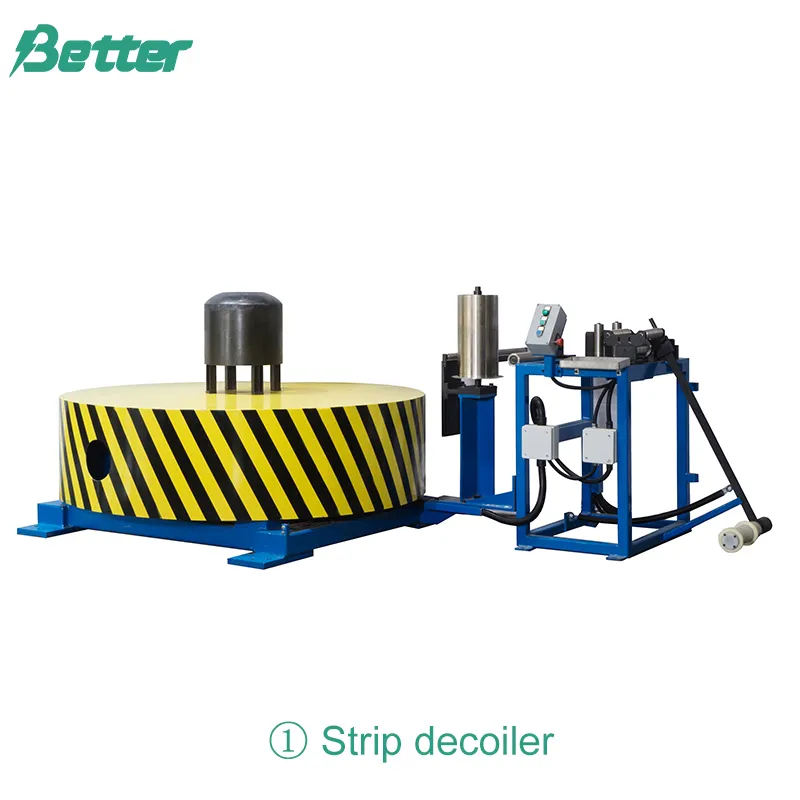
When it comes to putting these processes into practice on the factory floor, the Expanding Line stands out as a practical upgrade. It handles the full sequence from uncoiling the lead strip through expanding, lug forming, and winding at speeds up to 40 meters per minute. Only one or two operators are needed, noise stays low, and the cold-processing method creates zero pollution or lead loss. The result is superior grid uniformity, lower production costs, and full PLC control for reliable, repeatable output. If you manage battery manufacturing or want to modernize your line, this system delivers the efficiency and quality that translate into longer-lasting, more dependable lead-acid batteries for every user.