Thermal Runaway in Lithium Batteries
2026-04-02 14:20Table of Contents
1. Understanding Thermal Runaway in Lithium Batteries
2. Triggers You Encounter in Everyday Battery Use
3. Recognizing the First Signs of Trouble
4. Everyday Habits to Prevent Battery Overheating
5. Workplace Considerations for Battery Safety
6. How Precision Manufacturing Reduces Thermal Runaway Risks
Understanding Thermal Runaway in Lithium Batteries
Thermal runaway in lithium batteries happens when heat builds up inside a cell faster than it can escape. The reactions inside release even more heat, creating a loop that quickly raises the temperature. This process can turn a normal lithium battery into something unstable in seconds. Most people run into lithium battery issues through phones, laptops, power tools, or electric vehicles they use every day. The same chemistry that makes these batteries powerful and lightweight also makes them sensitive to heat buildup.
In practice, a lithium battery stays stable under normal conditions because the battery management system keeps everything in check. But once thermal runaway starts, the electrolyte breaks down, gases form, and pressure rises. Users notice this as sudden warmth or swelling in their devices. Understanding this basic mechanism helps anyone who relies on lithium batteries spot risks before they grow serious. Battery safety starts with knowing how these everyday power sources work under the surface.
Triggers You Encounter in Everyday Battery Use
Overcharging stands out as one common trigger for thermal runaway in lithium batteries. Pushing voltage past 4.2 volts per cell forces extra reactions that generate heat right away. Many users plug in devices overnight without thinking twice, and incompatible chargers make the problem worse. Physical damage also plays a big role. Dropping a phone or crushing a battery pack in a bag can create tiny internal shorts that start the heat cycle.
External heat adds another everyday risk. Leaving a lithium battery in a hot car or near a heater raises the internal temperature without any warning. Poor ventilation around larger battery systems, like those in home energy storage or electric tools, lets heat linger and build up. Manufacturing defects from the factory sometimes slip through too, such as tiny metal particles that cause shorts later. These triggers show up in routine moments — charging a laptop at your desk, storing spare batteries in a drawer, or using power tools on a job site. Recognizing them lets you adjust simple habits and keep your lithium battery performing safely.
Recognizing the First Signs of Trouble
Early signs of thermal runaway in lithium batteries give you time to act. The battery pack or device feels unusually warm to the touch, even when not in heavy use. Swelling appears as the case bulges slightly, a clear signal that internal pressure is rising. A faint chemical smell sometimes drifts out before smoke appears. These clues show up in phones that get hot during calls, laptops that refuse to charge normally, or electric vehicle batteries that lose range faster than expected.
Pay attention to performance changes too. A lithium battery that drains quicker or refuses to hold a full charge may already be fighting internal heat. In work settings, larger battery systems for backup power or machinery show the same patterns on monitoring screens — sudden voltage drops or temperature spikes. Catching these signs early means you can stop using the battery and move it to a safe, cool spot away from other items. Quick response prevents the situation from reaching the point where gases vent or flames appear.
Everyday Habits to Prevent Battery Overheating
Smart charging habits go a long way toward stopping thermal runaway in lithium batteries. Use only the original charger or one clearly rated for your device. Stop charging once the battery reaches full capacity instead of leaving it plugged in for hours. Keep lithium batteries at room temperature during charging — avoid direct sunlight or warm pockets. For larger packs in electric tools or home storage, follow the manufacturer’s guidelines on maximum charge levels to leave a safety buffer.
Storage matters just as much. Keep spare lithium batteries in a cool, dry place, ideally below 25°C, and away from metal objects that could cause shorts. Check batteries regularly for damage before use, especially if they sit unused for weeks. In daily life this means rotating stock in a workshop or checking the battery in your phone case before a long trip. Ventilation helps too. Make sure devices have airflow around them during heavy use so heat dissipates naturally. These small steps add up to reliable performance and lower risk across all the lithium batteries you depend on at home or on the job.
Workplace Considerations for Battery Safety
Professionals who handle lithium batteries daily face slightly different challenges. Mechanics servicing electric vehicles, technicians maintaining backup power systems, or warehouse staff moving battery pallets all need clear procedures. Proper training on handling damaged packs reduces accidental shorts that start thermal runaway. Work areas should include temperature-controlled storage zones and separate charging stations with good airflow.
Monitoring tools become essential in larger setups. Battery management systems track cell temperatures and voltages in real time, alerting you before heat builds. Regular inspections catch loose connections or worn insulation that could lead to trouble. In manufacturing or repair shops, keeping workspaces clean prevents dust or debris from entering battery packs. These practical steps protect both the equipment and the people around it. Anyone working with lithium batteries benefits from treating them with the same care given to any high-energy system.
How Precision Manufacturing Reduces Thermal Runaway Risks
Quality at the factory level plays a quiet but powerful role in lithium battery safety. Precise assembly cuts down on internal defects that later cause shorts or uneven heat distribution. Tight tolerances in cell stacking, separator placement, and electrolyte filling make each battery more stable under stress. Good manufacturing also ensures strong insulation between components, so one hot cell does not easily affect its neighbors.
Automation and consistent processes help here. Machines that apply protective materials with exact timing and volume create reliable seals against moisture and contaminants — two factors that weaken lithium batteries over time. When production lines run with high accuracy, the finished batteries perform better in real-world use, whether in consumer gadgets or industrial equipment. Users rarely see this side of the story, yet it directly affects how often thermal runaway becomes an issue in daily life. Investing in better production tools ultimately means fewer problems reaching the end user.
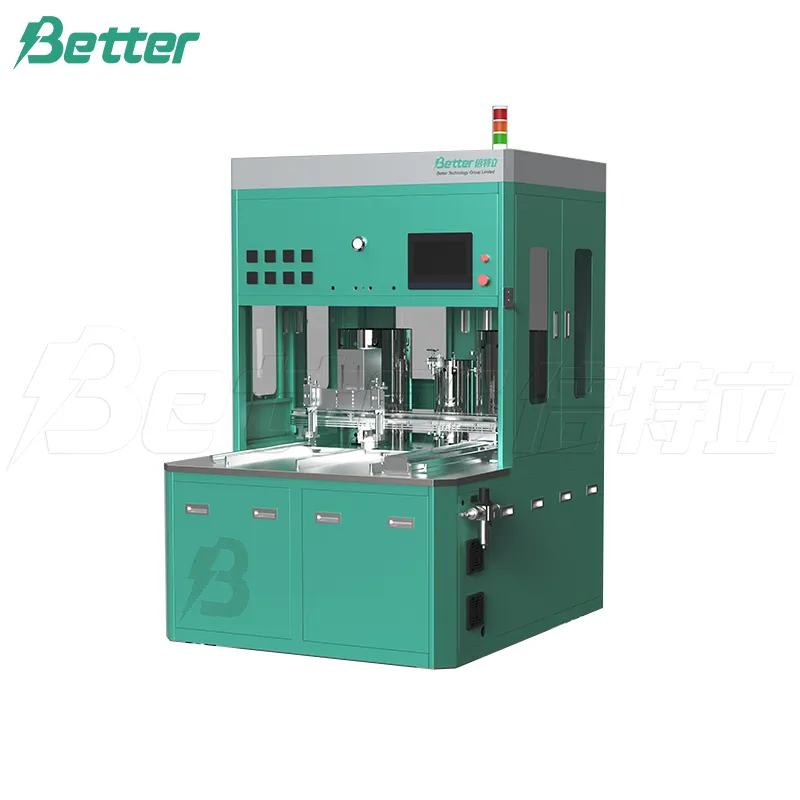
If you work in battery assembly or want to strengthen safety from the production stage onward, the epoxy dispensing machine offers clear advantages. It delivers dual-station operation for steady output up to 200 pieces per hour on typical 12V units, with proportion accuracy within ±3% and glue output accuracy of ±3g for volumes over 1g. The three-axis manipulator repeats positions to ±0.02mm, while built-in anti-curing and automatic cleaning systems keep the line running without stops or clogs. Vacuum mixing, constant temperature control, and over-pressure protection add layers of reliability that reduce defects and improve overall seal quality. For anyone building or maintaining lithium battery systems, this equipment supports cleaner, more consistent production that helps prevent the small flaws capable of leading to thermal runaway later. It stands out as a practical upgrade worth considering.