



- Home
- >
News
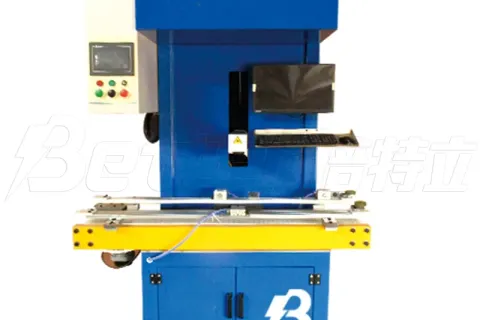
You've seen them: the small, often laser-etched strings of numbers and letters on the casing of your phone battery, laptop battery, or even the larger batteries for power tools and electric vehicles.
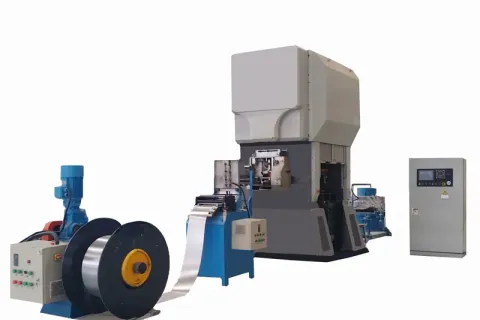
Batteries power so much of what we do every day—from starting our cars in the morning to keeping phones, laptops, and home energy storage systems running smoothly.
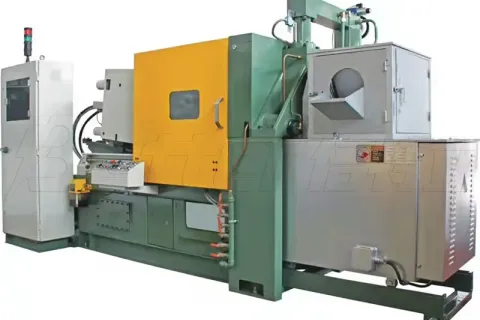
Tubular lead acid batteries power many systems people rely on daily, from home inverters during power cuts to backup for offices, telecom towers, and solar setups.
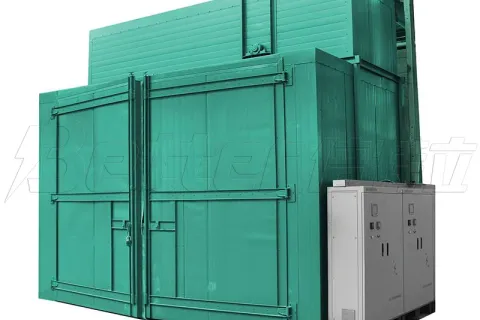
The drying stage in lead-acid battery manufacturing plays a quiet but decisive role here. It shapes how well the plates hold their structure and how efficiently the battery stores and releases energy over time.
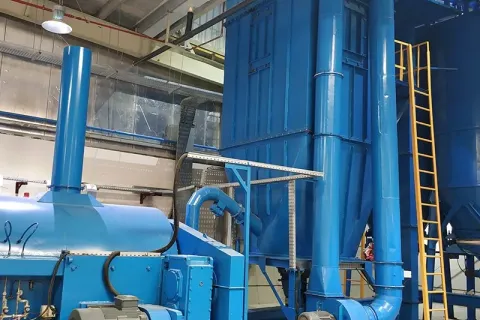
A ball mill machine sits at the heart of many battery production lines because it turns basic lead materials into the fine lead oxide powder that becomes the active ingredient in lead-acid battery plates.
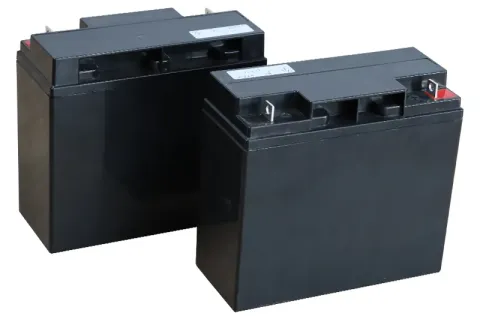
In EV lead-acid battery production, public attention often focuses on paste formulation and formation processes affecting capacity, while overlooking a core component determining battery life, rate capability, and reliability—the grid.
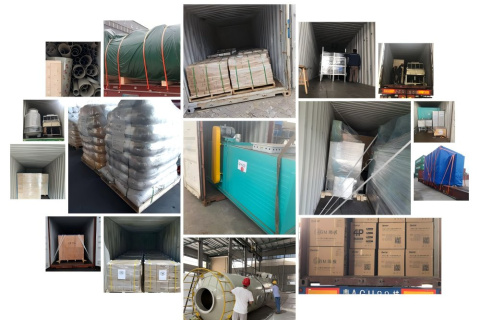
In today's diverse new energy battery landscape, lithium-ion technology dominates. However, one secondary battery, born over 160 years ago, continues to hold an irreplaceable position in automotive, telecommunications, and energy storage—the lead-acid battery.
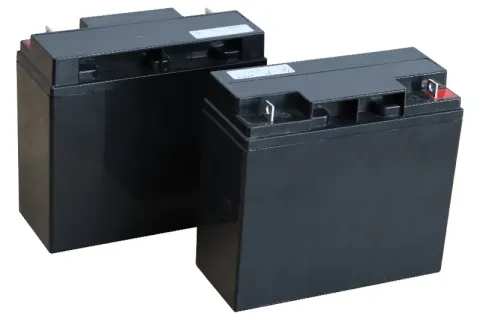
Sulfation is the buildup of lead sulfate crystals on the plates inside a lead acid battery. Every time your battery discharges to power something, a thin layer of these crystals forms naturally as part of the chemical reaction.
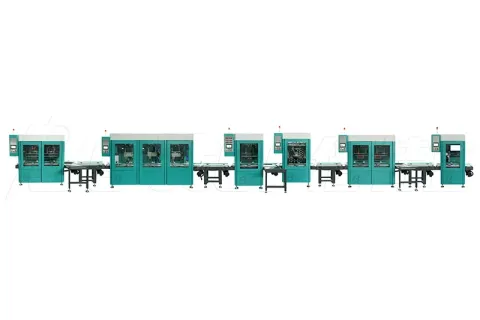
Lead-acid batteries keep cars starting, backup systems running, and industrial equipment powered every day. Yet many users notice the same frustrations: batteries that lose charge faster than expected, sudden drops in performance, or the need to replace units much sooner than planned.
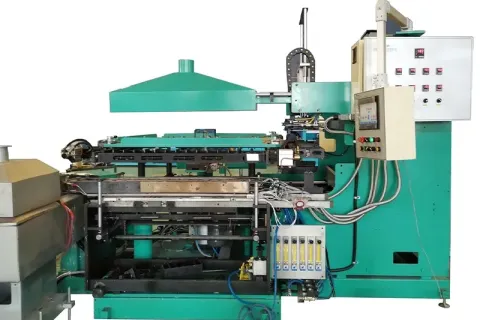
COS stands for Cast On Strap, a key step in making lead acid batteries. In battery manufacturing, plates inside each cell need solid connections so current flows evenly. The COS process creates these links by pouring molten lead around the plate lugs to form straps.

People who work with batteries or keep them at home often ask what happens if battery acid leaks because even a small amount can create real problems fast. Understanding the basic makeup helps explain why quick action matters whenever you notice any wetness or unusual smell around a battery.
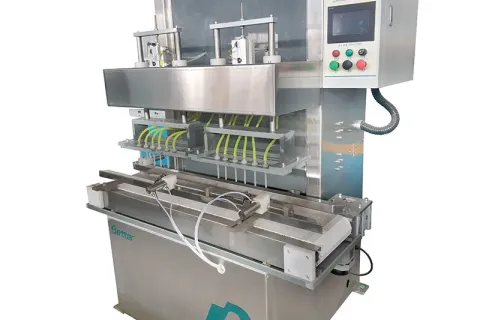
Battery acid is essentially a strong chemical solution found in many rechargeable batteries, particularly lead-acid ones used in cars, trucks, and industrial equipment. At its core, battery acid is sulfuric acid diluted with water, typically around 30-50% concentration.