What Is a Battery Pole Burning Machine and How It Works
2025-12-29 16:11Contents
1. Role in Battery Production
2. Basic Working Principle
3. Why Flame Welding Matters
4. Manual vs. Automatic Machines
5. Common Challenges and Solutions
6. Safety and Maintenance Tips
7. Choosing the Right Machine
Role in Battery Production
In lead-acid battery manufacturing, connecting the internal plates to the external terminals is a critical step. This is where a battery pole burning machine comes in. It welds the battery poles—also called posts or terminals—to the bushings or directly fuses them in place, creating a strong electrical connection. Without a solid weld here, the battery could suffer from poor conductivity, higher resistance, or even failure under load. These machines are mostly used for automotive lead-acid batteries, ranging from 32Ah to 200Ah models commonly found in cars and trucks.
Basic Working Principle
A battery pole burning machine works by applying controlled heat to melt lead at the pole area. The process starts with the battery positioned accurately, often using sensors for alignment. A mold or clamp holds the pole and bushing steady. Then, a flame—typically from oxygen and natural gas—melts the lead surfaces just enough to fuse them together. Once the set time passes, the flame stops, the joint cools quickly, and the battery moves on. Modern machines handle this automatically, ensuring the weld is consistent without overheating surrounding parts.
Why Flame Welding Matters
Flame-based welding, often called pole burning, provides a reliable bond for lead components. Lead melts at a relatively low temperature, so precise flame control creates a clean fusion without excessive oxidation or weak spots. This method suits lead-acid batteries well because it forms a robust, low-resistance connection that handles vibration and charging cycles in vehicles. Compared to other techniques, it balances speed and quality, reducing the risk of leaks or corrosion at the terminal.
Manual vs. Automatic Machines
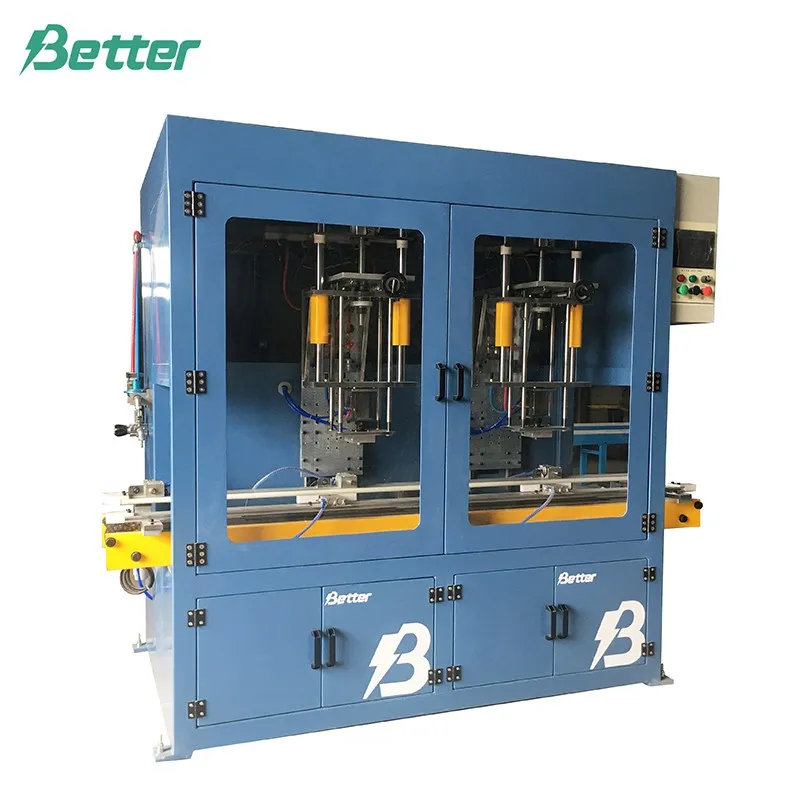
Older setups rely on manual torch work, where operators position the battery and control the flame by hand. This works for small-scale production but brings inconsistencies and safety risks. Automatic battery pole burning machines change that with PLC controls, touch screens, and sensors that detect and position batteries precisely. They clamp, burn, and release without much human input, boosting output to around 120 batteries per hour while keeping welds uniform.
Common Challenges and Solutions
One frequent issue in pole burning is uneven heating, leading to poor welds or damage to the battery case. Gas pressure fluctuations or poor positioning can cause this. Automatic systems solve it through timed flame application and photoelectric sensors for exact alignment. Another concern is lead fumes or oxidation—proper ventilation and controlled environments help here. Over time, molds wear out, but regular checks and quality components keep things running smoothly.
Safety and Maintenance Tips
Working with open flames and molten lead demands caution. Always use protective gear, ensure good exhaust for fumes, and keep gas lines secure. Machines need stable air pressure around 0.6MPa and cooling water to prevent overheating. Daily checks on valves, sensors, and molds catch problems early. With PLC-based controls, diagnostics make troubleshooting straightforward, minimizing downtime in a busy production line.
Choosing the Right Machine
If you're setting up or upgrading a lead-acid battery line, look for a battery pole burning machine that fits your volume and battery sizes. Features like dual-station operation, reliable PLC systems from brands such as Mitsubishi, and pneumatic clamping improve efficiency and weld quality. A solid frame, easy integration with conveyors, and capacity for 100-200Ah automotive batteries make a big difference. For those seeking a dependable automatic option, the Battery Pole Burning Machine from Better Technology Group stands out. It offers precise photoelectric positioning, controlled flame welding for consistent results, high output of 120 pieces per hour, and full automation that reduces labor while enhancing safety. The compact design, robust A3 steel build, and user-friendly HMI make it a practical choice for modern production lines—check our Battery Pole Burning Machine if you're aiming for reliable, efficient pole welding.