Why lead acid batteries leak and what to do when it happens
2026-01-27 15:06Table of Contents
1. Basics of Lead Acid Batteries
2. Why Lead Acid Batteries Leak
3. Spotting the Signs of a Leak
4. Immediate Steps When a Leak Happens
5. Safe Ways to Clean Up Leaked Acid
6. Preventing Leaks in Everyday Use
7. When to Replace a Leaking Battery
8. Better Manufacturing for Reliable Lead Acid Batteries
Basics of Lead Acid Batteries
Lead acid batteries remain one of the most widely used rechargeable power sources around the world. They power everything from cars and trucks to backup systems, forklifts, boats, and renewable energy storage. Their popularity comes from being reliable, affordable, and capable of delivering high currents when needed. Inside a typical lead acid battery, lead plates sit in a solution of sulfuric acid and water. Charging and discharging create chemical reactions that store and release energy.
Despite their strengths, lead acid batteries can develop problems over time, and leaking is among the most common and concerning issues users face. A leak means acidic electrolyte escapes the battery case, which can damage equipment, create safety risks, and shorten the battery's life. Understanding why lead acid batteries leak and how to respond helps people handle these situations confidently and avoid bigger headaches.
Why Lead Acid Batteries Leak
Leaks in lead acid batteries usually stem from a handful of practical causes that build up during normal use. Overcharging stands out as a primary trigger. When a charger pushes too much current into a fully charged battery, the electrolyte heats up and produces excess hydrogen and oxygen gas. In sealed batteries, this pressure can force acid out through relief valves or weak seals. In flooded types, overfilling or vigorous gassing can push liquid past the vents.
Physical damage also plays a big role. Dropping a battery, vibration from vehicle use, or even tight mounting can crack the plastic case or loosen terminals. Once the case integrity fails, electrolyte finds a way out. Age and corrosion gradually weaken seals around terminals and vents. Lead posts expand and contract with temperature changes, eventually creating tiny gaps where acid seeps through.
High temperatures speed up these problems. Heat accelerates corrosion inside the battery and increases internal pressure. Poor maintenance, like letting a battery sit discharged for long periods, promotes sulfation and grid corrosion that can compromise the case. Manufacturing flaws, though less common today, still occur—weak seals or imperfect terminal bushings sometimes allow leaks even in newer lead acid batteries.
Spotting the Signs of a Leak
Catching a leak early prevents extensive damage. The most visible sign is white or bluish powdery corrosion around the terminals or vents. This residue forms when escaped acid reacts with air and metal. You might notice wet spots or streaks on the battery top or sides, especially near the caps or seams.
A sharp, pungent smell similar to rotten eggs often signals leaking acid. If the battery sits in a tray, check for pooled liquid underneath. Swollen or bulging cases indicate internal pressure buildup that frequently precedes a leak. Diminished performance—slow cranking, frequent need for water in flooded batteries, or sudden voltage drops—can accompany leaking issues too.
Immediate Steps When a Leak Happens
If you spot signs of leaking in your lead acid battery, act quickly but calmly. First, turn off and disconnect any charging source or equipment connected to the battery. This stops further gassing and pressure buildup. Move the battery to a well-ventilated area outdoors if possible, away from sparks or flames—hydrogen gas from batteries can ignite.
Wear protective gear right away: rubber gloves, safety glasses, and old clothes you don't mind damaging. Avoid touching the leaked acid with bare skin; sulfuric acid causes burns. Keep children and pets away from the area until everything is cleaned and neutralized.
Safe Ways to Clean Up Leaked Acid
Neutralizing leaked acid requires common household items used carefully. Baking soda works well because it reacts with sulfuric acid to form harmless salt, water, and carbon dioxide. Sprinkle baking soda liberally over the spilled area and any corrosion on terminals. You'll see fizzing as the reaction occurs—let it continue until bubbling stops.
Once neutralized, wipe the area with disposable rags or paper towels soaked in water. For larger spills, use a plastic scoop or dustpan to remove the neutral paste before rinsing. Rinse the battery top with plenty of water, directing runoff away from drains if outdoors, or collect it in a container for proper disposal. Dry the battery thoroughly afterward.
Never use organic materials like cloth towels that might react strongly, and avoid pressure washing, which can drive acid into crevices. Dispose of all contaminated materials as hazardous waste according to local regulations—many auto shops or recycling centers accept them.
Preventing Leaks in Everyday Use
Good habits go a long way toward keeping lead acid batteries leak-free. Use a smart charger that automatically stops when the battery reaches full charge. Avoid cheap chargers that overcharge constantly. Keep terminals clean and coated with petroleum jelly or terminal protectant to slow corrosion.
Check electrolyte levels monthly in flooded batteries and top up with distilled water only—never tap water, which contains minerals that harm the battery. Store batteries in cool, stable temperatures; extreme heat shortens life dramatically. Secure batteries firmly to minimize vibration damage. Regular visual inspections catch early corrosion or swelling before leaks develop.
When to Replace a Leaking Battery
Once a lead acid battery leaks, replacement is usually the safest and most practical option. Leaked acid compromises the case integrity, and even thorough cleaning doesn't restore full reliability. Continuing to use a leaking battery risks further damage to your vehicle or equipment, plus ongoing safety hazards.
Most experts recommend immediate replacement when significant leaking occurs. Minor terminal corrosion can sometimes be cleaned and managed, but actual electrolyte on the case exterior signals structural failure. Consider the battery's age too—lead acid batteries typically last 3-7 years depending on type and use. If yours is near or past that range and leaking, it's time for a new one.
Better Manufacturing for Reliable Lead Acid Batteries
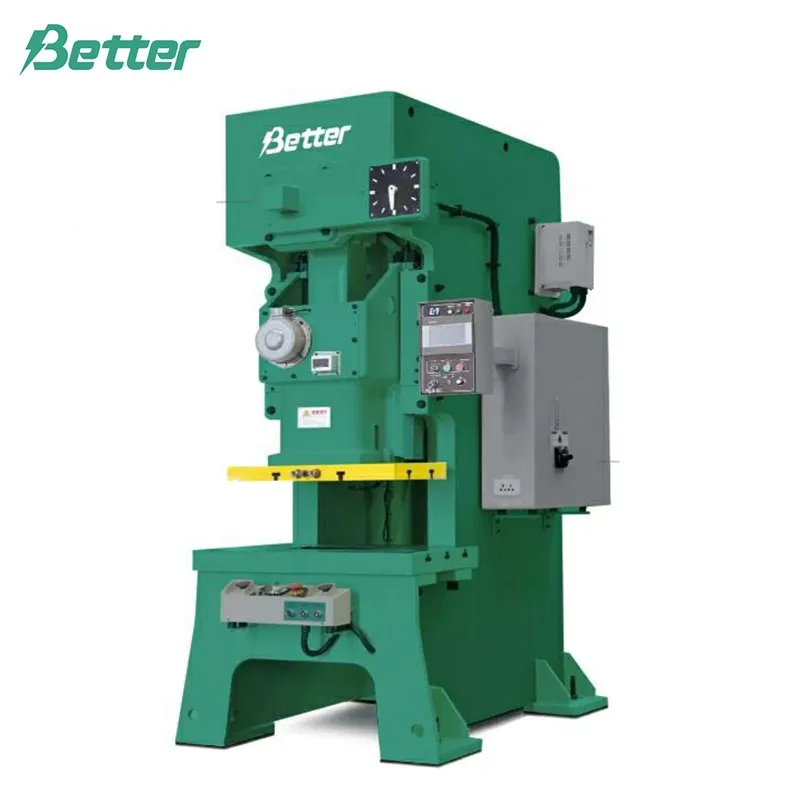
For businesses involved in producing or sourcing lead acid batteries, reducing leaks starts at the manufacturing stage. One effective improvement comes from using advanced equipment for terminal bushings. The lead bush cold forged machine from Better Technology Group produces high-precision lead bushings through cold forging, creating stronger, more uniform seals that resist cracking and corrosion far better than traditional methods.
This process delivers bushings with superior density and dimensional accuracy, minimizing gaps that allow acid escape over time. The result is lead acid batteries that maintain integrity longer under real-world stress—less terminal leakage, improved durability, and fewer field failures. Manufacturers adopting this technology often see significant reductions in warranty claims and higher customer satisfaction. If you're looking to upgrade production quality and deliver more reliable lead acid batteries, explore the lead bush cold forged machine—it's a practical step toward building batteries that simply last longer and leak less.