Why Battery Testing Is Crucial for Performance
2026-03-13 14:13Table of Contents
1. What Battery Testing Involves
2. Key Parameters Measured in Battery Testing
3. Battery Testing in Daily Life and Work
4. Ensuring Safety Through Battery Testing
5. Extending Battery Life with Regular Testing
6. Professional Battery Testing in Manufacturing and Maintenance
What Battery Testing Involves
Battery testing is the process of checking how well a battery stores and delivers power under real conditions. It goes beyond a quick voltage check to reveal how the battery actually behaves when it matters most. In practice, this means running controlled charge and discharge cycles while monitoring temperature, current flow, and other factors that affect everyday reliability.
Manufacturers and users rely on battery testing to confirm that a product meets basic expectations before it leaves the line or gets installed in equipment. The goal is straightforward: catch weaknesses early so performance stays consistent. Without it, small issues can grow into bigger problems that disrupt both personal devices and larger systems. Battery testing gives clear data on whether a unit is ready for use or needs attention.
Key Parameters Measured in Battery Testing
Several core measurements tell the full story during battery testing. Capacity shows how much energy the battery can hold and deliver before it drops too low. Internal resistance indicates how easily current flows; higher numbers mean more heat and less efficiency under load. State of charge and state of health track remaining power and overall condition over time.
Other important readings include voltage stability across different temperatures and self-discharge rates. These numbers matter because they directly influence how long a battery lasts in real-world situations. Battery performance testing often combines these checks to build a complete picture. When any of these values fall outside normal ranges, it signals that performance may suffer soon.
Battery Testing in Daily Life and Work
Most people run into battery issues at home or on the job without realizing how simple checks could help. Phones that drain faster than expected, tools that lose power mid-task, or backup systems that fail during an outage all point back to the need for basic battery testing. A quick test at the right moment can show whether the issue is the battery itself or something else in the setup.
In workshops and offices, technicians use battery testing to keep equipment running smoothly. Forklifts, portable lights, and emergency power packs get regular checks so downtime stays minimal. The process is quick once you know what to look for, and it prevents small drops in output from turning into full stoppages. Regular battery testing fits easily into daily routines and saves time in the long run.
Ensuring Safety Through Battery Testing
Safety is a top reason to perform battery testing before problems appear. Overheating, leakage, or sudden failure can create risks in any setting. Battery testing identifies these threats by simulating stress conditions such as high loads, extreme temperatures, or repeated cycles. It reveals whether a battery stays stable or starts heading toward trouble.
Modern standards require thorough checks to prevent thermal runaway and other hazards. Battery testing confirms that protection circuits and materials hold up under pressure. When results show solid performance across safety parameters, users gain confidence that the battery will not create unexpected issues. This step is especially important in environments where power reliability directly affects people and operations.
Extending Battery Life with Regular Testing
Battery testing helps stretch usable life far beyond initial expectations. By tracking capacity retention and internal changes over time, it shows exactly when performance starts to decline. Early detection lets users adjust charging habits or swap units before total failure occurs. In many cases, consistent checks add months or years to effective service.
Manufacturers apply the same principle during development to refine designs for longer cycles. Data from battery testing guides improvements in materials and assembly so each new generation holds up better. For anyone managing fleets or personal devices, this approach turns battery replacement from guesswork into a planned step based on real numbers. The result is lower costs and fewer surprises.
Professional Battery Testing in Manufacturing and Maintenance
In production settings, battery testing becomes part of quality control from the first prototype to the final unit. Factories run full performance cycles, life-cycle simulations, and abuse tests to verify every batch. This level of detail ensures that components work together without hidden flaws that could shorten service or create safety gaps.
Maintenance teams in industrial sites follow similar routines on installed systems. They use specialized equipment to measure real-time health and predict when service is needed. Battery testing data helps schedule replacements at the optimal moment instead of reacting to failures. The information also supports decisions about upgrades or process changes that keep overall system efficiency high. Across both manufacturing and field work, these checks deliver measurable gains in reliability and output.
Strong component quality plays a direct role in how well batteries pass these tests and perform over time. For manufacturers aiming to deliver top-tier results, choosing advanced equipment for critical parts makes a real difference right from the start.
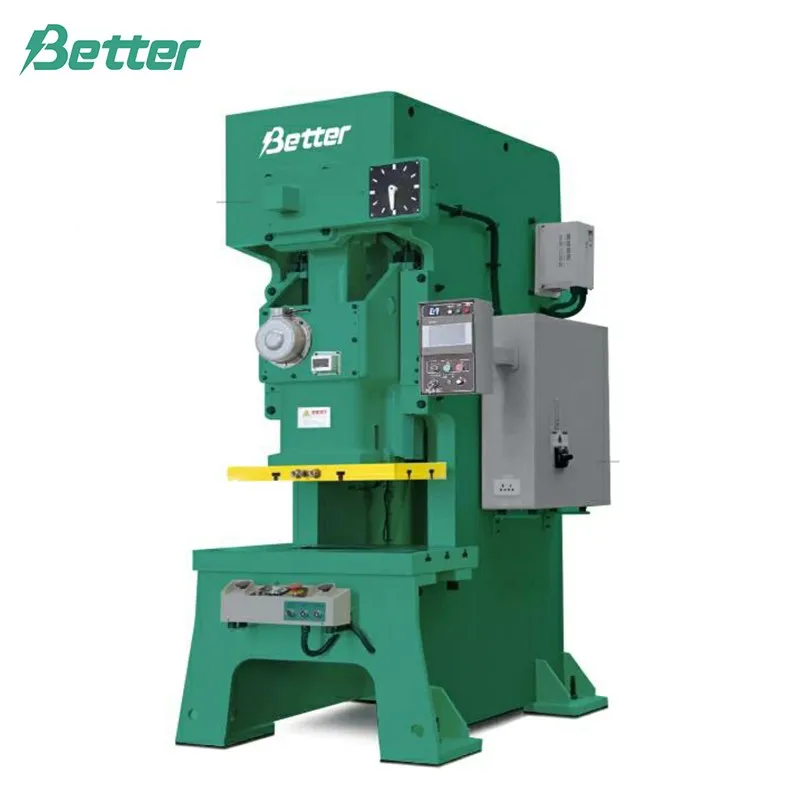
The Lead Bush Cold Forged Machine stands out as a smart investment for producing high-quality automotive battery terminals. It automates a precise four-step cold forging process—gravity casting, pressing, edge trimming, and grooving—to eliminate internal defects like bubbles, cracks, and sand holes that often cause problems later. The result is lead bushes with superior compactness, brightness, and an anti-rotation design that effectively prevents acid climbing and terminal corrosion. Finished parts easily pass baking, air hole corrosion, torsion, and compactness testing, meeting international leading standards and helping batteries achieve noticeably longer service life. Manufacturers focused on consistent performance and fewer field failures will find this machine from Better Tech delivers clear advantages in quality and efficiency. Check the details here: Lead bush cold forged machine.