What is Battery Formation and Why is it Needed
2026-03-04 11:04Table of Contents
What is Battery Formation?
Battery formation is the initial controlled charging and discharging phase that activates the internal materials of a battery right after assembly or plate preparation. It turns inactive paste or compounds into the working electrodes that actually store and release energy. In everyday production settings, this step happens once the grids have been pasted and cured, but before the battery reaches final testing. Technicians apply specific electrical currents through the plates or assembled cells while they sit in electrolyte, and the chemistry begins to change at a molecular level.
For anyone working with batteries in manufacturing or quality control, battery formation is not just another routine procedure. It defines how well the finished product will perform in real-world use. The process can take hours or even days depending on the battery size and type, but it sets the foundation for capacity, lifespan, and reliability. Without proper formation, even the best-designed battery will underperform or fail early. This is why production teams pay close attention to every detail during this stage.
Why is Battery Formation Needed?
Battery formation is essential because the raw materials inside a new battery are not yet ready to function. The lead oxide paste on plates, for example, must undergo electrochemical conversion to become the active positive and negative materials. Until this happens, the battery cannot hold a charge or deliver power consistently. Skipping or rushing this step leaves the materials in an incomplete state, resulting in low capacity and poor cycle life right from the start.
In practical terms, battery formation ensures every cell in a batch behaves the same way. Manufacturers rely on it to achieve uniform performance across thousands of units. It also helps remove manufacturing residues and stabilizes the structure so the battery can handle repeated use without rapid degradation. For production lines focused on high-quality output, this step directly impacts scrap rates and customer satisfaction. Proper battery formation process steps turn potential rejects into dependable products that meet industry standards for energy storage and delivery.
Key Steps in the Battery Formation Process
The battery formation process usually begins with a soaking period where plates or cells rest in dilute sulfuric acid. This allows the electrolyte to penetrate the porous material and start preliminary reactions. After soaking, technicians apply the first charging phase at a controlled low rate to initiate material conversion without causing excessive heat or gas buildup.
Next come multiple charge and discharge cycles. These steps gradually build the active layers while refining the plate structure. Constant current charging is common early on, followed by phases that limit voltage to prevent overcharging. Some setups include a gassing stage toward the end to complete the conversion. The entire sequence can span 20 to 70 hours or more, depending on plate thickness and battery design. Each stage must run smoothly to avoid incomplete formation or damage.
Finally, the formed plates or batteries go through rinsing, drying, or assembly checks before moving to capacity testing. This sequence ensures the battery formation process delivers consistent results every time. Teams monitor voltage, current, and temperature at every point to catch any deviations early.
Battery Formation for Lead-Acid Plates
In lead-acid battery manufacturing, plate formation stands out as the most common approach. Technicians place cured plates in large formation tanks filled with electrolyte, then connect them to chargers for controlled cycling. This method allows large batches to be processed together and gives precise control over each plate's development. The positive plates convert to lead dioxide while the negative plates become spongy lead, creating the exact materials needed for energy storage.
Plate formation offers flexibility for different battery types, from automotive starting batteries to deep-cycle models. The process uses reverse charging in some cases to clean plates or balance the chemistry. Production facilities choose tank formation when they need high throughput and uniform results across many plates. It remains a core part of lead acid battery formation process lines because it directly influences how much capacity each plate can deliver once assembled.
Critical Parameters to Control
Success in battery formation depends on keeping a tight grip on a few key factors. Current density must stay low enough to avoid overheating but high enough to complete conversion in a reasonable time. Voltage limits prevent side reactions that waste energy or damage the plates. Temperature control is equally important; keeping it stable avoids warping or shedding of active material.
Time and cycle count also play a major role. Too short a process leaves material unconverted, while excessive time raises costs without added benefit. Data logging during these stages helps teams spot trends and fine-tune future runs. When these parameters stay within tight ranges, the battery formation process produces plates with high porosity, good conductivity, and excellent adhesion of active material. Small adjustments here can lead to noticeable improvements in final battery performance.
Common Challenges in Battery Formation
One frequent issue during battery formation is uneven current distribution across plates. This can leave some areas under-formed while others overheat, resulting in inconsistent capacity when batteries reach final assembly. Temperature spikes are another common problem; the reactions release heat, and without proper cooling, plates can warp or shed material. Production teams often see higher scrap rates when these conditions are not managed well.
Power interruptions or equipment drift can also disrupt the process, causing incomplete cycles or data loss. Gas evolution during later stages requires good ventilation to prevent safety risks and maintain electrolyte balance. In busy manufacturing environments, maintaining consistency across large batches adds another layer of difficulty. Addressing these challenges early through reliable equipment and monitoring keeps the line running smoothly and reduces waste.
Optimizing Battery Formation for Better Results
Modern production teams optimize battery formation by using programmable equipment that handles multiple steps automatically. This approach reduces manual errors and lets operators set custom profiles for different plate designs. Centralized monitoring systems allow oversight of many units at once, making it easier to maintain quality across the factory floor. Regular calibration and data review help refine processes over time and lower energy consumption.
Good optimization also includes proper maintenance of formation tanks and connections to avoid resistance buildup. Teams that focus on these details see higher first-pass yields and more consistent battery performance in the field. The goal is simple: deliver plates that achieve maximum capacity with minimal variation. When battery formation runs efficiently, the entire manufacturing workflow benefits from fewer reworks and stronger end products.
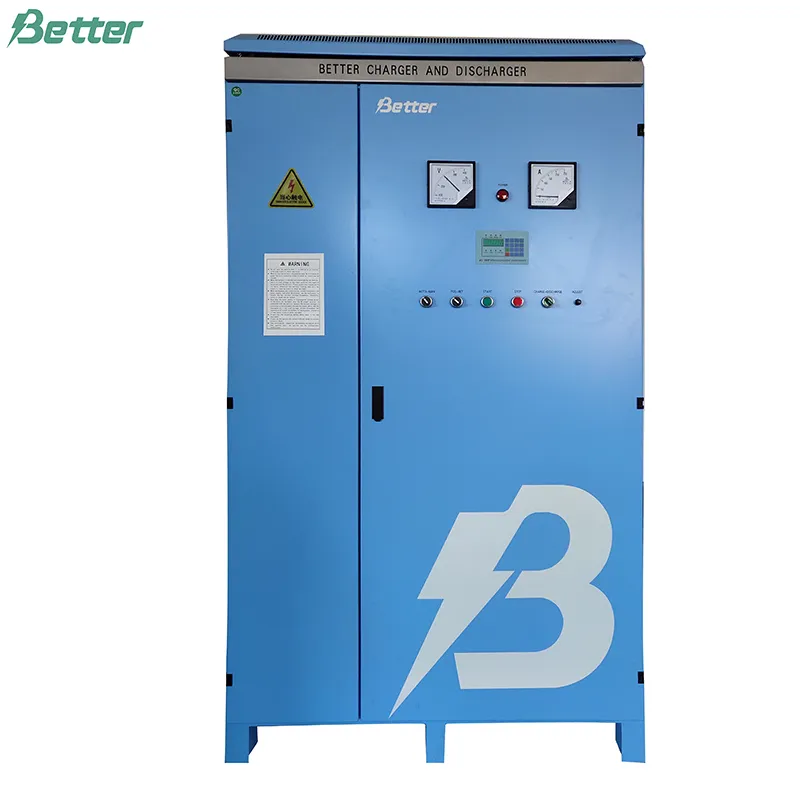
The Plate Formation Battery Charger and Discharger Making Machine offers manufacturers a practical way to achieve precise and reliable battery formation results. With microprocessor control delivering ±0.5% accuracy in current and voltage, up to 32 programmable steps, and support for modes like constant current charging, voltage limiting, discharge, and reverse charging, it handles complex plate formation needs with ease. The system stores over 1,400 data records, supports centralized management of more than 135 units, and includes automatic recovery after power outages plus comprehensive fault detection for safe operation. Its compact design and simple interface make daily use straightforward while ensuring consistent quality and reduced downtime on the production line. For teams looking to improve efficiency and battery performance, this equipment provides a solid upgrade worth considering.