How to Prevent Battery Terminal Corrosion
2026-02-09 11:31Table of Contents
1. What Is Battery Terminal Corrosion?
2. Common Causes
3. Recognizing the Signs
4. Cleaning Corroded Terminals
5. Everyday Prevention Steps
6. Long-Term Solutions
7. Advanced Manufacturing for Better Terminals
What Is Battery Terminal Corrosion?
Battery terminal corrosion shows up as a powdery buildup on the metal posts and clamps where the cables connect to the battery. In most vehicles and equipment, this happens on lead-acid batteries, where the terminals are made of lead or lead alloys. The corrosion is usually lead sulfate, a white, blue, or greenish substance that forms when the battery releases hydrogen gas and reacts with the surrounding air and electrolyte.
This buildup isn't just cosmetic. It creates resistance that makes it harder for electricity to flow, leading to weak starting power, dim lights, or even complete battery failure. If left alone, battery terminal corrosion can spread and damage the cables or the battery case itself. Understanding it early helps you deal with it before it becomes a bigger issue.
Common Causes
Battery terminal corrosion starts from a few everyday processes inside the battery. Overcharging is one of the main triggers—it pushes extra hydrogen gas out of the vents, and that gas reacts with the lead to form corrosion. Leaking electrolyte around the terminals does the same thing, especially if the battery case is cracked or the seals are worn.
High humidity and temperature swings speed things up. Moisture in the air mixes with the gases and creates a mild acid on the surface. In hot climates or under the hood where heat builds up, the reactions happen faster. Age plays a role too—older batteries tend to vent more gas and develop small leaks over time.
Even the way the battery is used matters. Frequent short trips don't let the alternator fully recharge the battery, which can lead to slight overcharging on the next cycle. Poor connections that cause sparking also release tiny amounts of heat and gas that contribute to corrosion buildup.
Recognizing the Signs
The most obvious sign of battery terminal corrosion is the visible powdery deposit. It often looks white, bluish, or greenish around the positive terminal first, since that's where most of the chemical activity happens. You might notice it when you pop the hood for routine checks.
Other clues show up while driving. If the engine cranks slowly or the dashboard lights are dimmer than usual, corrosion could be blocking current flow. In extreme cases, you might see the terminal posts getting hot during use or smell a faint rotten-egg odor from the battery venting extra gas.
Checking voltage with a simple multimeter helps confirm the problem. A healthy battery should read around 12.6 volts when sitting, but heavy corrosion can drop that reading even if the battery itself still holds a charge. Catching these signs early saves you from being stranded.
Cleaning Corroded Terminals
Start by turning off the engine and wearing gloves and eye protection—battery acid is no joke. Disconnect the negative cable first (usually black) to avoid sparks, then the positive cable.
Mix a solution of baking soda and water to neutralize the acid. Pour it over the terminals and watch it fizz as it works. Use an old toothbrush or a dedicated terminal brush to scrub away the loose corrosion. For stubborn spots, a wire brush or even a small piece of sandpaper works, but be gentle to avoid removing too much metal.
Rinse everything with clean water afterward, then dry thoroughly with a rag. Once clean, apply a thin layer of petroleum jelly or a commercial terminal protectant to the posts and clamps. This creates a barrier against moisture and gases. Reconnect the positive cable first, then the negative, and make sure both are tight.
Do this cleaning whenever you notice buildup, or as part of regular maintenance every few months. It only takes a few minutes and keeps electrical flow strong.
Everyday Prevention Steps
Keeping the battery area clean and dry goes a long way toward preventing battery terminal corrosion. Wipe away any dirt or spilled electrolyte right away. Make sure the battery hold-down is secure so vibration doesn't crack seals or loosen connections.
Check electrolyte levels if your battery has removable caps, and top up with distilled water only when needed. Avoid overfilling, since excess liquid can leak out during charging. Using a battery charger with automatic shut-off prevents overcharging at home.
In humid environments, consider adding felt washers or anti-corrosion rings around the terminals. These soak up moisture and release a mild protective coating over time. Simple spray-on terminal protectants also work well after cleaning—just avoid getting them inside the battery vents.
Regular visual checks during oil changes or tire rotations help spot early buildup before it becomes serious. A quick wipe with a damp cloth can remove light dust that would otherwise trap moisture.
Long-Term Solutions
Switching to a maintenance-free sealed battery reduces the chances of electrolyte leaks and gas venting, which directly cuts down on terminal corrosion. These batteries still develop some buildup over time, but much less than traditional flooded types.
Upgrading to terminals made from tin-plated copper or brass instead of plain lead improves conductivity and resists corrosion better. The plating acts as a shield against the chemical reactions that eat away at bare lead.
Proper charging habits matter too. A smart charger that adjusts voltage based on battery condition keeps things in balance and minimizes gas release. In vehicles, making sure the alternator and voltage regulator are working correctly prevents chronic overcharging.
For equipment stored for long periods, disconnecting the battery or using a trickle charger maintains charge without excess gassing. Covering the terminals with plastic caps during storage adds another layer of protection against dust and humidity.
Advanced Manufacturing for Better Terminals
When it comes to producing batteries that resist terminal corrosion from the start, the quality of the lead bush itself makes a huge difference. Traditional gravity casting often leaves tiny internal air holes, cracks, or sand inclusions that later allow acid to creep in and start corrosion.
Cold forging changes that. The process compresses the lead under high pressure, creating a much denser structure with no internal voids. The resulting lead bushes are brighter, smoother, and far more compact. This density blocks acid migration completely, preventing the kind of hidden damage that leads to terminal corrosion down the road.
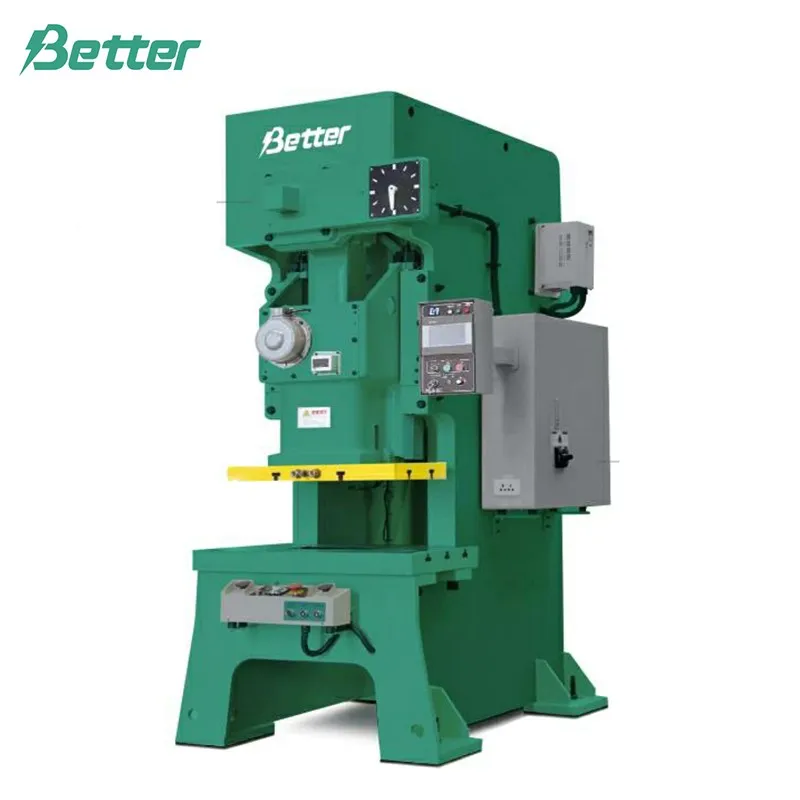
One reliable option for manufacturers is the Lead Bush Cold Forged Machine from Better-Tech. It automates the full process—gravity casting followed by precision cold pressing, trimming, and grooving—producing high-end bushes that meet international standards. The cold pressing step eliminates defects entirely, while the grooving increases the acid climbing distance and ensures a tight seal with the plastic case.
Batteries built with these cold-forged lead bushes last longer in real-world conditions because the terminals stay clean and conductive longer. For anyone in battery production looking to reduce corrosion-related failures and improve overall reliability, this machine offers a clear upgrade in quality and consistency.