How Improper Drying Causes Cracks in Battery Plates
2026-02-06 14:18Table of Contents
1. What Are Battery Plates
2. Pasting and Initial Drying
3. Why Cracks Form
4. Temperature Effects
5. Humidity Control
6. Drying Speed
7. Spotting Cracks Early
8. Practical Ways to Avoid Cracks
9. Modern Drying Solutions
What Are Battery Plates
Battery plates are the core components where the actual energy conversion happens in lead-acid batteries. They consist of a lead grid coated with a paste made from lead oxide, sulfuric acid, water, and various additives. This paste must adhere firmly to the grid and form a strong, porous structure to hold the active material that reacts during charging and discharging.
The quality of the plates directly affects battery life, capacity, and reliability. One of the earliest and most critical steps after applying the paste is drying the plates properly. If this battery plate drying stage goes wrong, the entire production batch can suffer from defects that show up later as reduced performance or outright failure.
Pasting and Initial Drying
Right after the paste is applied to the grids, the plates are wet and fragile. The immediate goal of battery plate drying is to remove surface moisture quickly without disturbing the paste layer. This initial flash drying phase sets the surface while leaving enough internal moisture for the later curing process.
Many manufacturers use a short, high-heat exposure right after pasting to achieve this. The rapid removal of surface water prevents the paste from slumping or running, keeping the plate shape intact. Done correctly, this step prepares the plates for controlled curing where chemical bonds form inside the paste.
Why Cracks Form
Cracks in battery plates almost always trace back to uneven moisture removal during drying. As water evaporates, the paste shrinks. If the surface dries much faster than the interior, the outer layer hardens and contracts while the inside remains soft and wet. This difference creates internal stress that pulls the surface apart, forming visible cracks.
These cracks weaken the bond between paste and grid, reduce active material retention, and create paths for electrolyte to attack the grid prematurely. Even hairline cracks can grow during curing or formation, leading to lower capacity and shorter battery life.
Temperature Effects
Temperature plays a huge role in how evenly battery plates dry. Too low, and moisture lingers on the surface, risking paste slippage or mold growth. Too high, and the outer layer dries almost instantly, trapping moisture inside and building stress.
Typical flash drying temperatures range from 120°C to 180°C for a short period. Within this window, heat penetrates quickly enough to drive off surface water without overheating the core. Exceeding this range often leads to rapid crust formation and subsequent cracking.
Humidity Control
The surrounding air humidity affects evaporation rate just as much as temperature. In high-humidity environments, water leaves the plate slowly, extending drying time and risking uneven results. Low humidity pulls moisture out aggressively, especially from the surface, increasing crack risk.
Controlled environments keep relative humidity in a moderate range during the initial battery plate drying phase. Once surface drying is complete, higher humidity is often introduced for curing, but getting the first step wrong makes later adjustments harder.
Drying Speed
The speed at which plates move through the drying zone matters. Too slow, and plates overheat in spots. Too fast, and surface moisture remains, causing issues in curing. Modern lines adjust conveyor speed to match plate thickness and paste composition.
A well-tuned flash drying process typically takes plates through the hot zone in 30–90 seconds, depending on size and paste density. This brief exposure removes just enough surface water to stabilize the paste without driving deeper moisture out too quickly.
Spotting Cracks Early
Fine surface cracks can appear within minutes of leaving the dryer. They often start as thin lines radiating from the edges or grid lines. Deeper cracks may only become visible after curing, showing up as wider splits or even paste flaking.
Regular visual checks right after battery plate drying catch most problems early. Plates that feel overly brittle or show visible lines should be set aside for analysis. Catching issues at this stage saves the cost of further processing defective plates.
Practical Ways to Avoid Cracks
Consistent paste mixing helps—uniform water content means more predictable drying behavior. Keeping the drying chamber clean prevents hot spots from accumulated dust. Regular calibration of temperature sensors and airflow ensures even heat distribution across all plates.
Using hot air circulation rather than direct radiant heat gives gentler, more uniform drying. Both sides of the plate should receive similar airflow to prevent one face from drying faster than the other.
Modern Drying Solutions
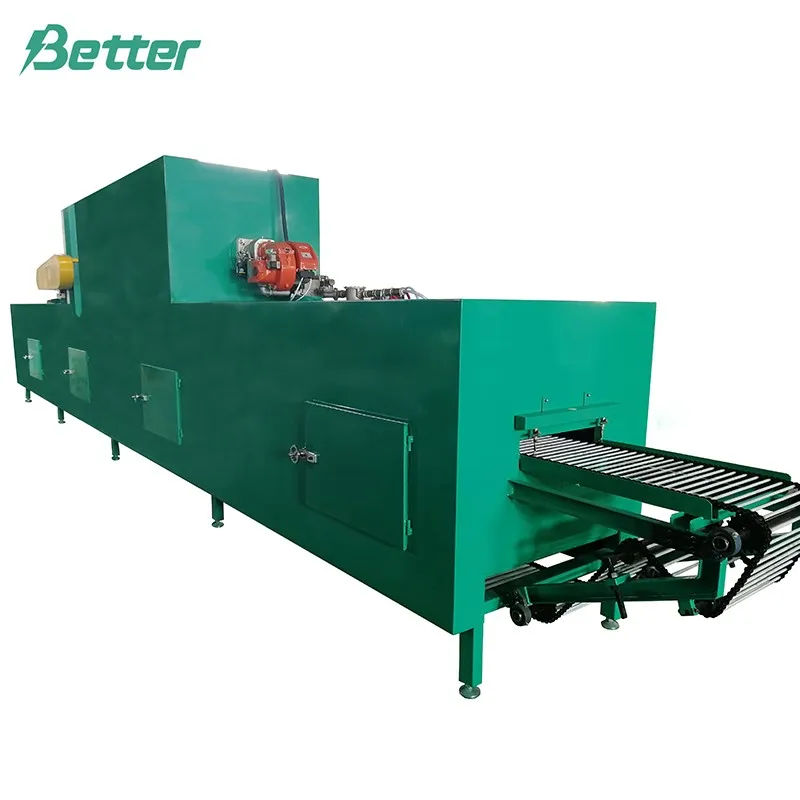
Today's best approach for battery plate drying combines precise temperature control, adjustable conveyor speed, and efficient hot air circulation in a single unit. A reliable plate flash drying oven delivers rapid yet gentle surface drying that minimizes internal stress and virtually eliminates cracking.
The Plate Flash Drying Oven from Better Technology Group stands out for its practical design. It uses hot air circulation with upper and lower channels to dry both sides evenly, adjustable temperatures up to 180°C, and a crawler-type chain that handles all plate sizes at speeds from 12 to 25 meters per minute. The result is plates that resist cracking, retain necessary internal moisture for curing, and move smoothly into the next production stage. Production capacity reaches around 130 plates per minute while keeping energy use reasonable through internal hot air recycling. For manufacturers looking to reduce defects and improve consistency, this oven offers a straightforward, proven solution worth considering.