How Lead Acid Battery Grids Are Made Step by Step
2026-01-29 14:19Table of Contents
1. The Basics of Lead Acid Battery Grids
2. Why Grids Matter for Battery Performance
3. Materials That Go Into Lead Acid Battery Grids
4. Preparing the Lead Alloy
5. Melting the Alloy
6. Casting the Lead Acid Battery Grid
7. Expanding or Punching the Grid
8. Pasting Active Material onto the Grid
9. Curing and Drying the Plates
10. Formation and Final Assembly
11. Common Challenges in Grid Production
12. Recent Advances in Lead Acid Battery Grid Design
13. Choosing Reliable Equipment for Grid Casting
The Basics of Lead Acid Battery Grids
A lead acid battery grid is the structural backbone that holds the active material inside every lead acid battery. Think of it as a metal frame that supports the paste responsible for storing and releasing energy. Without a well-made grid, the battery simply wouldn't function reliably. People often search for information on lead acid battery grids when they notice their car battery failing early or when they're trying to understand why some batteries last longer than others. The grid plays a central role in both performance and lifespan.
Why Grids Matter for Battery Performance
The grid does more than just hold material in place. It conducts electricity between the active paste and the battery terminals. A strong, corrosion-resistant grid keeps the battery delivering steady power over hundreds of charge-discharge cycles. Poor grid design leads to common complaints like sudden power loss, reduced capacity over time, or complete failure in extreme temperatures. For anyone maintaining vehicles, backup power systems, or industrial equipment, understanding the grid helps explain many real-world battery problems.
Materials That Go Into Lead Acid Battery Grids
Lead is the primary material because it is abundant, recyclable, and conducts electricity well. Pure lead, however, is too soft for practical use. Manufacturers alloy it with small amounts of other elements to improve strength and resistance to corrosion. Common additives include antimony, calcium, tin, and selenium. The exact composition depends on the battery type—deep-cycle batteries often use different alloys than starting batteries. Choosing the right alloy directly affects how long the grid withstands the harsh chemical environment inside the battery.
Preparing the Lead Alloy
The process starts with carefully weighing and mixing the base lead with alloying elements. Accuracy here is critical; even slight variations can change the mechanical properties of the finished grid. The materials are placed in large kettles or continuous mixing systems. Temperature and mixing time must be controlled to ensure the additives dissolve completely and distribute evenly. This step sets the foundation for every lead acid battery grid that follows.
Workers or automated systems monitor composition using spectrometers to verify the alloy meets specifications. Once approved, the molten alloy moves to the next stage.
Melting the Alloy
Melting happens in dedicated furnaces that reach temperatures around 450–500°C. The goal is to achieve a uniform liquid without overheating, which could cause oxidation or loss of alloying elements. Modern furnaces use precise controls to maintain consistent temperature and reduce energy waste. Proper melting ensures the alloy flows correctly during casting and produces grids with minimal defects.
Casting the Lead Acid Battery Grid
Casting is where the grid actually takes shape. There are two main approaches: gravity casting and continuous casting. In gravity casting, molten alloy pours into metal molds that define the grid pattern—wires, borders, and lugs. The molds open once the metal solidifies, releasing the grid.
Continuous casting, increasingly common in larger plants, feeds molten alloy through a cooled die to produce a continuous strip that is later cut into individual grids. This method offers higher output and more consistent thickness. Regardless of technique, cooling rate affects grain structure and strength. Fast cooling generally produces finer grains and stronger grids.
Casting remains one of the most important steps because defects introduced here—such as porosity or uneven thickness—can shorten battery life dramatically.
Expanding or Punching the Grid
Some manufacturers skip traditional casting and produce grids by expanding or punching metal strips. In the expanded metal process, a thin lead alloy strip is slit and stretched into a diamond-pattern mesh. This method uses less material and creates lighter grids, which can improve battery energy density.
Punched grids start with a flat sheet that is fed through a press where dies punch out the open spaces, leaving the grid framework. Both techniques are faster than casting for high-volume production and work well with calcium-alloy grids that resist corrosion better in maintenance-free batteries.
Pasting Active Material onto the Grid
Once the bare lead acid battery grid is ready, active material—lead oxide paste—is applied to both sides. The paste must fill every opening evenly without leaving voids. Specialized pasting machines spread the paste under controlled pressure to achieve uniform thickness. Too much paste adds weight unnecessarily; too little reduces capacity.
After pasting, the plates pass through rollers to press the material firmly into the grid structure. Good contact between paste and grid is essential for efficient current flow and long cycle life.
Curing and Drying the Plates
Freshly pasted plates need curing to develop strength and chemical stability. They are stacked in temperature- and humidity-controlled chambers for several days. During curing, the paste hardens and forms chemical bonds that prevent shedding during use.
Controlled humidity prevents cracking, while precise temperature promotes the formation of desirable crystal structures. After curing, plates are dried to remove excess moisture before assembly.
Formation and Final Assembly
Formation is the first charging process that converts the cured paste into its active forms—lead dioxide on positive plates and sponge lead on negative plates. This step takes place in tanks filled with sulfuric acid under carefully controlled current. Proper formation ensures the battery reaches its rated capacity and performs reliably from the start.
Once formed, plates are washed, dried, and assembled into battery cases with separators between positive and negative plates. Terminals are connected, and the case is filled with electrolyte and sealed.
Common Challenges in Grid Production
Grid corrosion remains the leading cause of lead acid battery failure. Over time, the positive grid slowly oxidizes, increasing resistance and eventually causing structural breakdown. Manufacturers combat this with better alloys and thinner, optimized grid designs.
Another frequent issue is grid growth, where repeated charging causes the grid to expand and distort. This can short-circuit the battery. Careful alloy selection and controlled formation charging help minimize growth.
Inconsistent casting can produce grids with varying thickness, leading to uneven current distribution and premature failure in certain areas of the plate.
Recent Advances in Lead Acid Battery Grid Design
Modern lead acid battery grids are thinner and lighter than older designs while maintaining strength. Improved alloys, especially calcium-tin combinations, have extended service life significantly in maintenance-free batteries. Some grids now incorporate carbon additives to the paste to reduce sulfation and improve charge acceptance.
Manufacturing equipment has also evolved, with automated casting machines delivering higher precision and lower defect rates. These improvements make lead acid batteries more competitive even against newer chemistries in many applications.
Choosing Reliable Equipment for Grid Casting
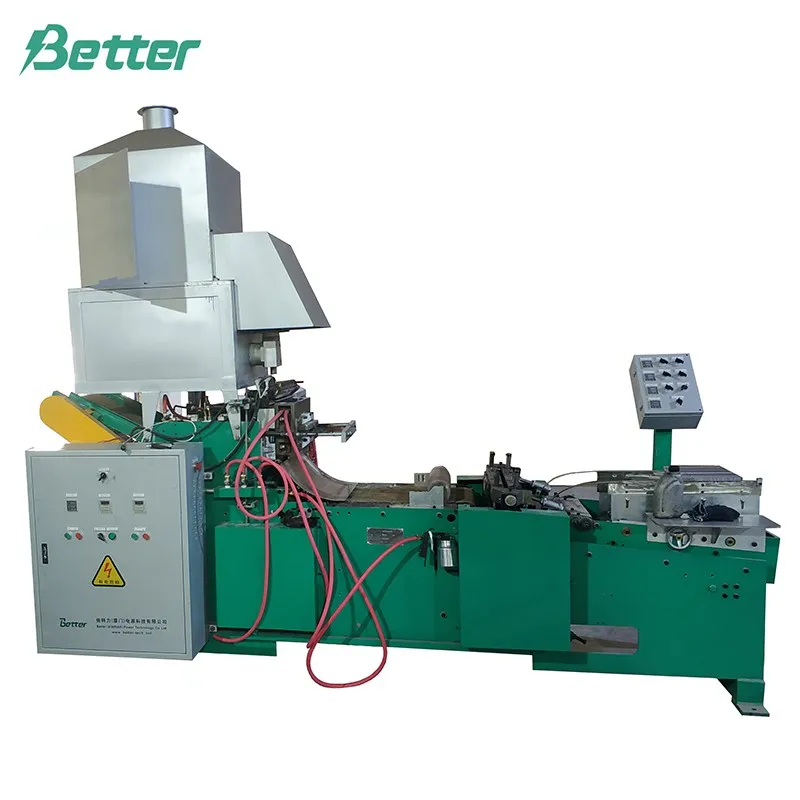
For manufacturers looking to produce high-quality lead acid battery grids consistently, investing in a reliable casting machine makes a real difference. The lead battery grid casting machine from Better Technology Group (Better-Tech) stands out for its robust construction, precise temperature control, and ability to handle both gravity and pressure casting methods. It offers stable mold alignment, reduced dross formation, and easy maintenance—features that translate directly into fewer defects and higher output.
Operators appreciate the intuitive controls and safety systems that minimize downtime. Whether scaling up production or maintaining tight quality standards, this machine delivers consistent grid thickness and excellent surface finish.