Why LiFePO4 Batteries Power Most Portable Stations
2026-02-04 14:35Table of Contents
1. The Basics of Portable Power Stations
2. Battery Types Commonly Used
3. Why LiFePO4 Has Taken Over
4. Real Safety Differences
5. How Long These Batteries Actually Last
6. Performance in Real-World Conditions
7. Environmental Impact That Matters
8. What to Check Before You Buy
9. A Solid LiFePO4 Option Worth Considering
The Basics of Portable Power Stations
Portable power stations are essentially large, rechargeable batteries with built-in inverters and multiple output ports. They store electricity and let you run appliances, tools, lights, or electronics when you're off the grid or during an outage. People use them for camping, RV trips, home backup, outdoor work sites, or even emergency preparedness.
The core of any portable power station is its battery chemistry. That chemistry decides how much energy it can hold, how safe it is, how long it will last, and how well it performs day to day. Over the past few years, one type has clearly become the favorite for most modern portable power stations: LiFePO4, also called LFP.
Battery Types Commonly Used
Older portable power stations often relied on sealed lead-acid batteries. They were cheap and widely available, but they're heavy, have limited capacity, and only last a few hundred charge cycles before performance drops sharply.
Next came ternary lithium-ion batteries (usually NMC or NCA chemistries). These offered much higher energy density, so portable power stations could become lighter and store more power in the same size. Many mid-range models still use them because they're less expensive to produce at scale.
Today, however, the majority of premium and mid-to-high-end portable power stations have switched to LiFePO4. The shift isn't marketing hype—it's driven by clear practical advantages that matter to everyday users.
Why LiFePO4 Has Taken Over
LiFePO4 stands for lithium iron phosphate. Unlike ternary lithium chemistries that use nickel, manganese, or cobalt, LiFePO4 uses iron and phosphate. This change in materials brings several real-world benefits that directly address the pain points people experience with portable power stations.
The chemistry is inherently more stable. It doesn't suffer from the same thermal runaway risks that have caused issues in other lithium-based devices. It also tolerates deeper discharges without damaging the cells, and it maintains consistent voltage throughout most of the discharge cycle. These traits make LiFePO4 the go-to choice for manufacturers who want reliable, long-term performance in their portable power stations.
Real Safety Differences
Safety is the biggest concern for most people when they think about storing thousands of watt-hours of energy in their garage, vehicle, or home. Traditional lithium-ion batteries can overheat and, in rare cases, catch fire if damaged, overcharged, or exposed to extreme heat.
LiFePO4 batteries virtually eliminate that risk. The phosphate-based cathode is thermally stable up to much higher temperatures. Even if a cell is punctured or short-circuited, it tends to release energy slowly rather than explosively. This is why LiFePO4 portable power stations are considered the safest option available today.
Built-in battery management systems (BMS) in modern units add multiple layers of protection—overcharge, over-discharge, short-circuit, and temperature monitoring—but the underlying chemistry itself provides the strongest safeguard.
How Long These Batteries Actually Last
Cycle life is another area where LiFePO4 shines. Most LiFePO4 cells are rated for 3000 to 6000 full charge-discharge cycles while retaining at least 80% of original capacity. In practical terms, that can mean 8–15 years of regular use before noticeable degradation.
Compare that to ternary lithium-ion cells, which typically manage 500–1000 cycles, or lead-acid batteries that rarely exceed 300–500 cycles. For anyone who wants a portable power station that won't need replacement in a few years, LiFePO4 is the clear winner.
The longer lifespan also means better value over time. Even though the upfront cost is higher, the cost per cycle ends up significantly lower.
Performance in Real-World Conditions
Portable power stations get used in all kinds of environments—hot summer job sites, cold winter camping trips, dusty workshops, or humid coastal areas. LiFePO4 batteries handle temperature extremes better than most alternatives.
They can operate effectively from about -20°C to 60°C, and many units allow charging across a wide range as well. Discharge performance stays consistent even when the battery is nearly empty, unlike some chemistries that drop voltage sharply toward the end.
High discharge rates are another strength. LiFePO4 cells can deliver sustained high power without overheating or sagging, which is crucial when running power tools, air compressors, or appliances that draw heavy loads.
Environmental Impact That Matters
LiFePO4 batteries avoid cobalt and nickel, metals whose mining raises serious ethical and environmental concerns. Iron and phosphate are abundant and less harmful to extract. The cells are also more recyclable at end-of-life.
Because they last so many more cycles, fewer batteries end up in landfills over time. For users who care about sustainability without sacrificing performance, LiFePO4 portable power stations align well with those priorities.
What to Check Before You Buy
When shopping for a portable power station, focus on a few key specs:
• Battery chemistry—LiFePO4 for maximum safety and longevity
• Total capacity in watt-hours (Wh)—how much energy it stores
• Continuous and peak AC output power—how big a load it can handle
• Charging speed (AC and solar input)
• Number and types of output ports
• Weight and size for your portability needs
• Built-in BMS quality and warranty length
Reading user reviews for real-world reliability helps, but starting with LiFePO4 chemistry gives you a strong foundation.
A Solid LiFePO4 Option Worth Considering
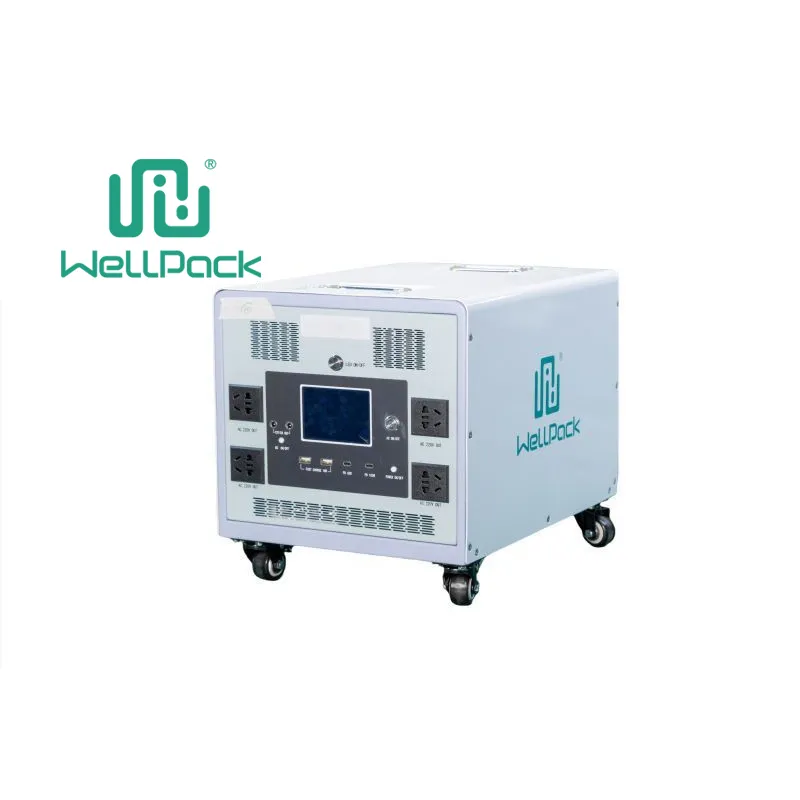
If you're looking for a high-capacity LiFePO4 portable power station that balances power, durability, and fast charging, the Better-Tech WPP3600-01 is a strong contender. It uses premium LiFePO4 cells with a 3072Wh capacity and delivers 3600W continuous AC output (5500W peak). The battery is rated for over 4000 cycles, and it can recharge from 0–100% in just 1.5 hours via AC or accept up to 1200W solar input. At 33 kg, it's built for serious power needs while still being movable. Multiple output ports cover household appliances, tools, and lighting during outages or off-grid use. For anyone wanting a dependable, long-lasting portable power station backed by safe LiFePO4 technology, this model delivers excellent performance and peace of mind.