Table of Contents
1. What a commercial energy storage system actually does
2. Cutting demand charges with peak shaving
3. Keeping the lights on during an outage
4. Pairing energy storage with solar power
5. Choosing the right size and cooling type
6. A practical air-cooled option worth a look
What a commercial energy storage system actually does
If you're running a factory, warehouse, retail chain, or office building, you've probably noticed your electricity bill isn't just about how much power you use — it's also about when you use it. That's where a commercial battery energy storage system comes in. It's essentially a large rechargeable battery, usually built into a weatherproof outdoor cabinet, that stores electricity when it's cheap or plentiful and releases it when you need it most. A typical commercial energy storage cabinet bundles the battery packs, an inverter, a cooling system, and a control unit into one enclosure, so it can be installed and connected without a lot of custom engineering. For business owners and facility managers, the appeal isn't abstract — it's a direct way to lower operating costs, protect equipment from power interruptions, and get more value out of solar panels that are already on the roof.
Cutting demand charges with peak shaving
One of the most common reasons companies install a battery energy storage system is to deal with demand charges. Many commercial electricity tariffs don't just bill you for total consumption — they also charge based on your highest usage spike during the billing period, even if that spike lasts only fifteen minutes. This is where a well-sized energy storage system earns its keep. During periods of high demand, the system discharges stored power alongside the grid supply, smoothing out those spikes so your peak draw stays lower. Businesses commonly see demand charges drop by 20% to 40% once a properly sized storage system is in place, though the exact number depends on your load profile and local tariff structure. The battery charges back up overnight or during off-peak hours when electricity is cheaper, so you're effectively buying power at a lower rate and using it when rates — and demand penalties — are at their highest. This is one of the fastest ways an energy storage investment pays for itself, and it doesn't require any changes to how your facility actually operates day to day.
Keeping the lights on during an outage
Grid reliability isn't something most people think about until the power actually goes out — and then it becomes the only thing anyone is thinking about. For manufacturing lines, cold storage, data rooms, and hospitals, even a short outage can mean lost product, corrupted data, or safety risks. A commercial energy storage system with battery backup capability switches over automatically, often within milliseconds, so critical equipment never sees an interruption. Unlike diesel generators, there's no fuel to store, no exhaust to manage, and no delay while the generator spins up. The battery is already charged and ready. Some facilities run their entire backup power strategy on energy storage alone; others pair it with a generator so the battery handles the instant switchover while the generator takes over for longer outages. Either way, having stored energy on-site removes a lot of uncertainty from your operations, and it's one of the more straightforward things to explain to a plant manager who just wants the equipment to keep running.
Pairing energy storage with solar power
If your facility already has solar panels, or you're planning to install them, pairing them with a battery energy storage system changes the math significantly. Solar generation peaks around midday, but a lot of commercial and industrial facilities use the most power in the early morning or evening — shift changes, HVAC startup, or after-hours operations. Without storage, any solar power you don't use immediately either gets exported to the grid at a low buyback rate or, in some regions, simply goes to waste. With an energy storage cabinet on-site, that excess solar power gets stored and used later, which means you're consuming more of what you generate instead of relying on the grid to fill the gaps. This combination, often called solar-plus-storage, is increasingly common for warehouses, agricultural operations, and manufacturing sites that want to reduce grid dependence and get a faster return on their solar investment. It also makes the whole setup more resilient — if the grid goes down during daylight hours, the system can keep drawing from solar generation directly instead of just running down the battery.
Choosing the right size and cooling type
This is usually where people get stuck, because the specs on an energy storage system — kW, kWh, air-cooled versus liquid-cooled — don't mean much without context. The kW rating tells you how much power the system can deliver at once, while the kWh rating tells you how much total energy it can store and release before needing to recharge. A facility with short, sharp power spikes needs a system with strong kW output; one that needs to run equipment for hours during an outage needs more kWh capacity. Sizing usually starts with pulling twelve months of utility bills to understand your actual load pattern rather than guessing.
Cooling type matters more than people expect. Air-cooled energy storage cabinets are simpler, generally lower cost, and easier to maintain, which makes them a strong fit for moderate climates and facilities that don't need extreme charge and discharge cycling. Liquid-cooled systems manage heat more tightly and tend to suit very hot environments or applications with constant, heavy cycling. For most commercial and light industrial sites — retail buildings, offices, warehouses, small manufacturing facilities — an air-cooled commercial energy storage cabinet delivers the reliability needed without paying for cooling capacity you won't use.
A practical air-cooled option worth a look
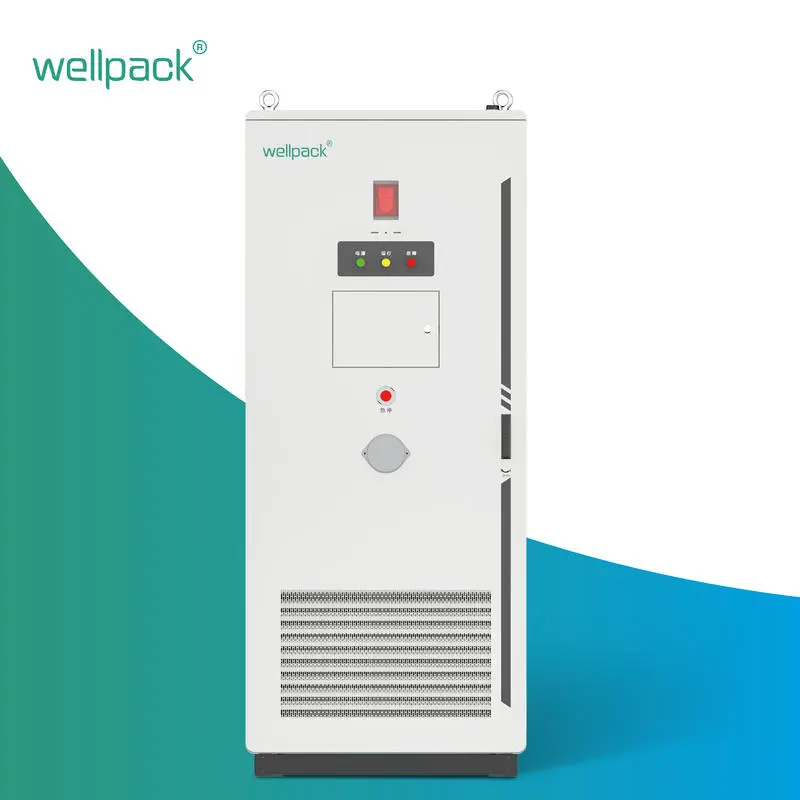
For businesses weighing up an air-cooled commercial energy storage system, the WP-EIB 125kW/261kWh air-cooled energy storage integrated cabinet is a solid option to have on the shortlist. It brings the battery packs, inverter, and cooling system together into a single outdoor-rated enclosure, so there's less on-site assembly and fewer points of failure compared to piecing a system together from separate components. The 125kW power output paired with 261kWh of storage capacity puts it in a practical middle ground — enough energy storage to handle peak shaving, backup power, or solar pairing for mid-sized commercial and industrial sites, without the footprint or cost of a much larger installation. Because it's air-cooled, it's simpler to install and service than liquid-cooled alternatives, and multiple units can typically be paralleled if a facility's storage needs grow over time. For a business that wants a straightforward, integrated energy storage cabinet without a complicated custom design process, this is a reasonable and well-specified place to start.