Table of Contents
What a Telecom Battery Actually Does
A telecom battery keeps a base station running when grid power drops out. Cell towers and network cabinets can't afford even a few minutes of downtime, so every site relies on a backup power source that kicks in automatically the moment the main supply fails. This is where a telecom battery earns its place in the cabinet — it bridges the gap between a power outage and either grid restoration or a generator start-up.
Most people searching for information on a telecom battery are trying to solve one of two problems: their current backup system isn't holding a charge like it used to, or they're setting up a new site and need to know what to buy. Either way, understanding how these batteries work makes the decision a lot less confusing.
Lithium vs Lead Acid for Base Stations
For years, lead acid was the default telecom battery choice simply because it was cheap and well understood. That's changed. Lithium iron phosphate (LiFePO4) batteries have taken over most new deployments, and for good reason.
A lithium telecom battery typically lasts 8 to 10 years, compared to 3 to 5 years for a lead acid unit doing the same job. Lithium also charges faster, tolerates deeper discharge cycles without damage, and weighs roughly half as much — which matters a lot when a technician has to carry it up a tower site or into a rooftop cabinet. Lead acid still shows up in older installations or where upfront budget is the only concern, but the total cost of ownership almost always favors lithium once you factor in replacement frequency and labor.
The tradeoff is upfront price. A lithium telecom battery costs more to buy initially. If your site sees frequent outages or deep cycling, that extra cost pays for itself within a couple of years through fewer replacements and less maintenance downtime.
Capacity and Voltage: What the Numbers Mean
Every telecom battery is labeled with a voltage and an amp-hour (Ah) rating, and these two numbers tell you almost everything you need to know before buying.
Voltage needs to match your equipment. Most modern base stations run on 48V systems, though some older or smaller sites still use 24V. Mixing voltages doesn't work — the battery has to match what the site's power system expects, no exceptions.
Amp-hours tell you how much energy the telecom battery can store, and therefore how long it can power your equipment during an outage. A 48V 100Ah battery, for example, stores roughly 4.8 kWh. If your site's average load is 1 kW, that translates to about 4 to 5 hours of backup time, though real-world runtime depends on load fluctuations, temperature, and how deeply you allow the battery to discharge.
If your area experiences frequent or extended outages, it's worth sizing up rather than cutting it close. Running a telecom battery to near-zero charge repeatedly shortens its lifespan, even with lithium chemistry.
Signs Your Backup Battery Needs Replacing
A telecom battery rarely fails without warning. There are usually signs before it stops holding a useful charge.
Shorter runtime during outages is the clearest signal — if your battery used to carry the site for six hours and now barely manages two, its capacity has degraded. Swelling or physical deformation on lead acid units is a hard stop; that battery needs replacing immediately, not monitoring. For lithium batteries, check the battery management system (BMS) logs if available — repeated voltage sag under load or cells that no longer balance evenly both point to aging cells.
Temperature matters too. A telecom battery that runs hotter than usual during charging, even under normal load, is often a sign that internal resistance has increased with age. If a battery is more than five years old and showing any of these symptoms, testing it against its rated capacity is a lot cheaper than waiting for it to fail during an actual outage.
Installation and Maintenance Tips
Getting the installation right extends the life of any telecom battery significantly. Ventilation is the first thing to get right — batteries generate heat, and cabinets with poor airflow age batteries faster regardless of chemistry. Keeping ambient temperature in a reasonable range, ideally between 15°C and 25°C, does more for lifespan than almost anything else you can control.
Avoid letting a telecom battery sit at full discharge for long periods, especially lead acid types, which sulfate quickly when left uncharged. Lithium batteries are more forgiving here but still benefit from periodic top-up charging if a site is decommissioned or on standby for months.
Routine checks don't need to be complicated. A quarterly visual inspection for corrosion or swelling, combined with an annual capacity test, catches most problems early. If your batteries have remote monitoring built in, reviewing the data monthly instead of waiting for an alarm saves a lot of emergency truck rolls.
Choosing the Right Supplier
Not all batteries labeled for telecom use are built the same. Cell quality, BMS design, and cycle testing vary a lot between manufacturers, and a cheaper telecom battery upfront can end up costing more once you factor in early failures and site visits. Looking for documented cycle life, a reasonable warranty, and consistent capacity ratings across a batch are practical ways to separate reliable suppliers from ones cutting corners.
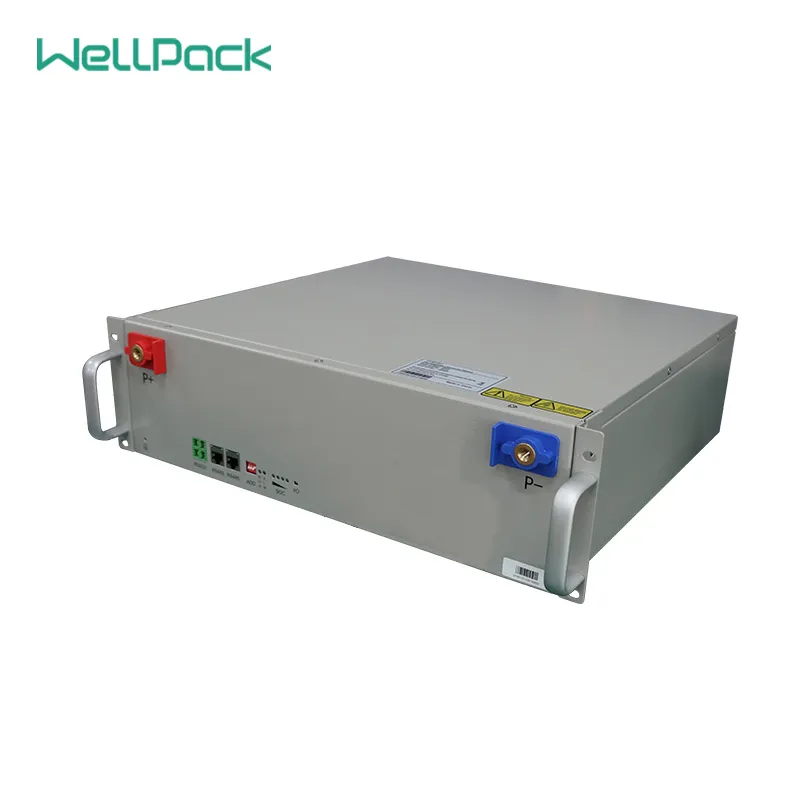
For anyone shopping for a dependable 48V lithium telecom battery, Better Tech's 48V 100Ah telecom battery is worth a look. It's built on LiFePO4 chemistry with a long cycle life, a built-in BMS that handles cell balancing and protection automatically, and a compact form factor that fits standard telecom cabinets without modification. It's rated for a wide operating temperature range, which helps in both outdoor cabinets and rooftop installations, and the capacity is well matched to typical base station loads without oversizing the footprint or the budget. For teams looking to standardize on a reliable telecom battery across multiple sites, it's a solid, low-maintenance option.