Why Home Backup Power Is Becoming Essential
2026-06-29 14:09Table of Contents
1. Beyond Traditional Batteries
2. Lithium-Ion Changes Everything
3. Sizing Your Battery System
4. The Value of Integrated Systems
5. Making the Right Choice Today
Beyond Traditional Batteries
Most people don't think about their home battery until the lights go out. That's when the limitations of old-school battery technology become painfully clear. Traditional lead-acid batteries, while cheap upfront, come with serious drawbacks. They're heavy, require regular maintenance, and degrade quickly if discharged too deeply. Worse, they take up significant space and often need ventilation due to gas emissions during charging.
The shift toward renewable energy has changed what homeowners expect from a battery system. Solar panels generate power during the day, but most homes need electricity at night. Without a reliable energy storage solution, that solar power goes back to the grid—or gets wasted entirely. A modern home battery solves this mismatch by storing excess solar energy for later use, giving you true energy independence.
Another common frustration is noise. Gas generators are loud, smelly, and require fuel storage. A quality home battery runs silently and produces zero emissions. For anyone living in urban areas or neighborhoods with noise restrictions, this alone makes battery backup the better choice. Plus, there's no worrying about fuel availability during emergencies or price spikes.
Lithium-Ion Changes Everything
Lithium-ion battery technology has transformed home energy storage. Specifically, LiFePO4 (lithium iron phosphate) chemistry offers major advantages over older lithium-ion variants. It's inherently safer—much less prone to overheating or thermal runaway. Cycle life is dramatically longer, often exceeding 6,000 cycles compared to just 500–1,000 for lead-acid. That means a well-designed LiFePO4 system can last 10–15 years or more under normal household use.
Depth of discharge matters too. Lead-acid batteries shouldn't be drained below 50% to avoid damage. LiFePO4 batteries can safely discharge to 80% or even 90% without harming performance. This effectively gives you more usable capacity from the same physical size. For homeowners, this translates into fewer batteries needed to cover essential loads during an outage.
Temperature tolerance is another practical concern. Many battery chemistries struggle in extreme heat or cold. Quality LiFePO4 systems maintain stable operation across a wider temperature range, making them suitable for garages, basements, or even outdoor installations when properly enclosed. Just check the manufacturer's specifications for your climate before purchasing any residential battery system.
Sizing Your Battery System
One of the most common questions people ask is how much battery capacity they actually need. The answer depends on two factors: what you want to power, and for how long. Start by listing your critical loads during an outage—refrigerator, lights, internet router, maybe a water pump or medical device. Add up their total daily watt-hour consumption, then multiply by the number of days you want backup coverage.
A typical home might need 5–15 kWh per day for essentials. Larger homes with electric heating, air conditioning, or EV charging will need more. Most residential battery systems today range from 5 kWh to 30 kWh, with 10–20 kWh being the sweet spot for average households. Remember that you don't need to backup your entire house—focusing on critical circuits keeps costs manageable and simplifies installation.
Expansion capability is worth considering from the start. Some battery systems allow parallel connection of additional units as your needs grow. This modular approach lets you start smaller and add capacity later without replacing existing equipment. Check whether the system supports firmware updates and remote monitoring via app, which adds convenience and future-proofs your investment.
The Value of Integrated Systems
Separate components create complexity. An inverter from one brand, batteries from another, and a separate charge controller mean more wiring, more potential failure points, and compatibility headaches. Integrated all-in-one systems combine the inverter, battery management, and energy controls into a single unit. This simplifies installation dramatically—often down to a plug-and-play process that takes hours instead of days.
Factory-assembled and tested systems reduce the risk of configuration errors. When everything arrives pre-matched and pre-wired, you avoid the troubleshooting nightmare of mismatched voltages or incompatible communication protocols. Many integrated systems also include built-in energy management software that optimizes charging and discharging automatically based on your usage patterns and utility rates.
Monitoring and control matter for real-world usability. Look for systems that offer both local display (like an LCD screen) and remote access through a mobile app. Being able to check battery status, adjust settings, or receive alerts from anywhere provides peace of mind. Some advanced systems even integrate with smart home platforms for automated load shedding during peak demand periods.
Making the Right Choice Today
The home battery market has matured significantly. Prices continue to drop while performance improves year after year. If you've been waiting for the right time to invest in backup power, now is a solid window. Focus on proven technology—LiFePO4 chemistry, reputable manufacturers, and systems with clear warranty terms covering both parts and performance over time.
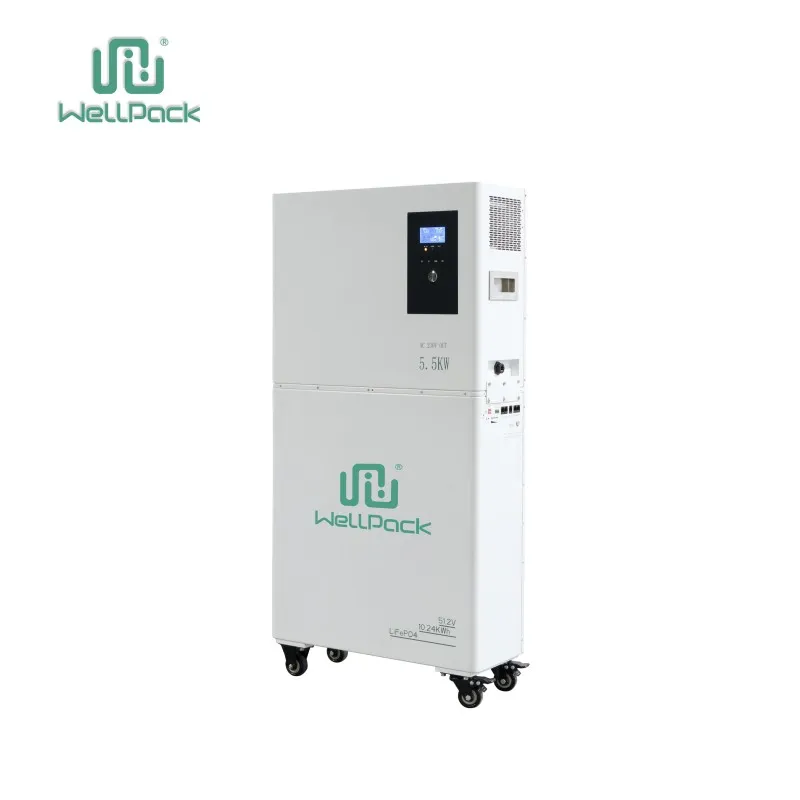
For homeowners seeking a complete, hassle-free solution, the Better Technology 10–20kWh All-In-One Home Energy Storage System delivers exactly what modern households need. It integrates a reliable inverter with safe LiFePO4 batteries in a single compact unit, supporting both floor-standing and wall-mounted installation. The system offers IP54 weather resistance for outdoor placement, plug-and-play setup that eliminates complex groundwork, and strong surge capacity to handle heavy appliances like air conditioners, pumps, and refrigerators without issue. Remote monitoring via the NOVA Web & App keeps you in control from anywhere, while the built-in E4 LCD display provides convenient local oversight. With support for multiple charging sources—grid, solar, or generator—and automatic generator start functionality, this system ensures uninterrupted power regardless of conditions. For dependable, efficient, and truly independent home energy backup, this integrated solution stands out as a smart, future-ready choice.