How to Safely Charge and Store Lithium Drone Batteries
2026-06-25 15:59Table of Contents
Before You Start: Inspect Your Battery
Before you plug in any drone battery, take a close look at its physical condition. A swollen, dented, or cracked lithium battery is dangerous. Even a tiny puncture can lead to a fire. If you see any damage, do not charge it. Dispose of it properly at a recycling center. Also check the connector pins. Bent or broken pins can cause a short circuit. Make sure the battery is completely dry. Moisture inside the connector can ruin your charger and create a safety hazard. This simple visual check takes just ten seconds but prevents most common accidents.
The Right Way to Charge a LiPo Battery
Always use a balance charger designed for lithium polymer batteries. A standard charger for other battery types will not work correctly and can overheat your pack. Set the charger to the correct cell count. For example, a 3S battery has three cells in series. Charging it as a 4S will overvolt each cell. The safe maximum voltage per cell is 4.2V. Never go above that. Most quality chargers stop automatically, but never leave a charging battery unattended. Place it on a non-flammable surface like a ceramic tile or metal tray. Keep a fireproof bag nearby. Charge at a rate of 1C unless the manufacturer specifies a higher rate. 1C means the charge current equals the battery capacity. A 2200mAh battery charges at 2.2 amps. Faster charging generates more heat and shortens the battery life.
Long-Term Storage: Voltage and Temperature Matter
If you are not flying for more than a few days, store your lithium drone battery at storage voltage. That is roughly 3.8V per cell. A fully charged battery at 4.2V degrades faster during storage. A deeply discharged battery below 3.2V can become unstable and refuse to charge again. Many balance chargers have a "storage" mode that automatically sets the correct voltage. Store batteries in a cool, dry place away from direct sunlight. Ideal temperature range is between 10°C and 25°C. Avoid leaving them in a hot car or near a radiator. Extreme heat accelerates chemical aging. Cold temperatures slow down self-discharge but can cause condensation when warmed up, so let the battery reach room temperature before charging.
Keep Your Battery Healthy Longer
Cycle your batteries regularly. Even if you do not fly often, discharge and recharge them every few months to keep the internal chemistry active. Do not drain the battery completely during flight. Land when the voltage reaches about 3.5V per cell under load. Running a battery to zero volts damages the cells permanently. After each flight, let the battery cool down to room temperature before charging. Hot charging reduces capacity and increases internal resistance. Clean the connectors with a soft cloth if they get dirty. Dirt can increase resistance and cause uneven discharge. If you notice one cell consistently lower than others after charging, that cell may be failing. Mark that battery and monitor it closely.
What to Do When Things Go Wrong
If a battery starts swelling during charging, unplug it immediately. Move it outside to a safe area using tongs or gloves. Do not try to pierce or deflate a swollen battery. Place it in a bucket of sand or a fireproof container. If smoke appears, evacuate the area and call emergency services. Never throw a damaged battery in the trash. Take it to a hazardous waste facility or electronics recycler. Some hobby shops accept old batteries for proper disposal. Always transport spare batteries in a fireproof pouch or case. Loose batteries in a backpack can short against keys or coins, causing a fire. Following these simple rules keeps you, your equipment, and your home safe.
A Reliable Choice for Your Drone Battery Needs
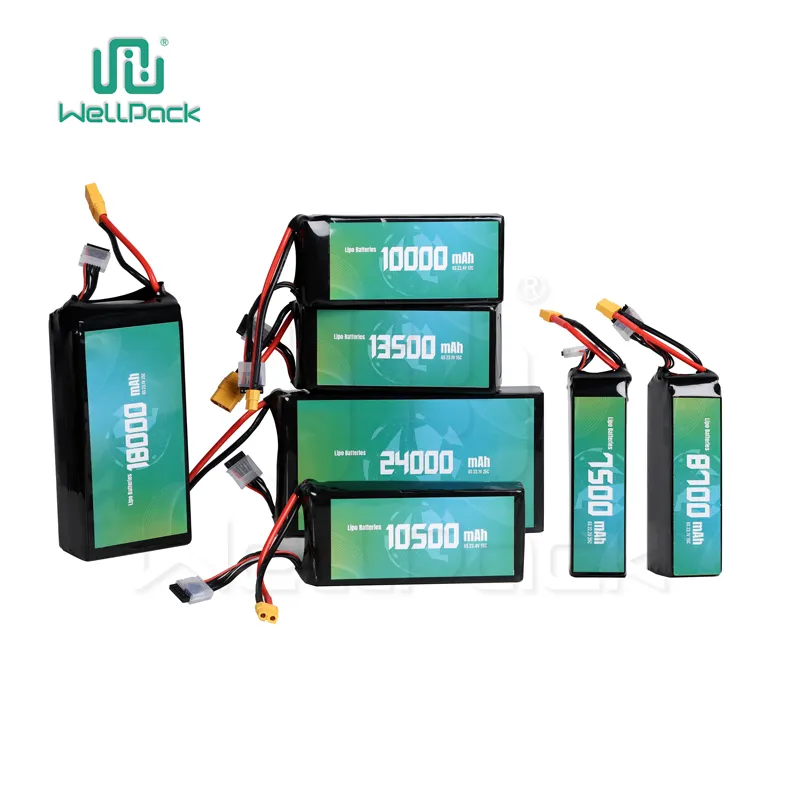
When you are looking for a dependable high-rate Drone Lithium Battery for your drone, the products from Better Technology Group Limited offer solid performance. Their drone lithium batteries use premium-grade materials that provide low internal resistance and consistent discharge across all cells. This means your drone gets stable power throughout the flight, whether you are shooting aerial photography, running logistics, or handling industrial inspections. The batteries are lightweight and compact, which helps extend flight time without adding extra weight. They also support fast charging and discharging, making them suitable for demanding operations where downtime needs to be minimal. Built-in protection mechanisms prevent overcharging beyond 4.2V and over-discharging below 3.2V, giving you peace of mind during use. If you want a battery that balances safety, long cycle life, and reliable performance, visit their product page at Better Technology Group Limited – Drone Lithium Battery to find options that fit your setup.