How to Calculate Suitable kWh Capacity for Household Solar Energy Storage Batteries
2026-06-24 15:59Table of Contents
Consider Depth of Discharge and Efficiency
Plan for Backup and Future Expansion
Match Battery with Solar System
Recommended Solution: WPH10F-01
Why Capacity Matters
Choosing the right kWh capacity for your household solar energy storage battery is one of the most important decisions you will make when setting up a home solar system. Get it wrong, and you might end up with a battery that is too small to cover your needs during cloudy days or nighttime, or too large and expensive for what you actually use. Many homeowners mistakenly assume that bigger is always better, but oversizing a battery system can lead to wasted investment and inefficient cycling. On the other hand, undersizing means frequent grid dependence and frustration during power outages.
The key is to match the battery capacity with your actual daily electricity consumption, your solar panel output, and your backup requirements. This article walks you through a practical step-by-step approach to calculate the suitable kWh capacity for your home, so you can make an informed purchase without guesswork.
Check Your Daily Energy Use
The first and most straightforward step is to understand how much electricity your household consumes on an average day. You can find this information on your utility bill, which typically shows your monthly kWh usage. Divide that number by 30 to get a rough daily figure. For example, if your monthly bill reads 900 kWh, your daily average is about 30 kWh. However, seasonal variations matter — summer air conditioning or winter heating can significantly change your consumption pattern.
A more accurate method is to use a home energy monitor or check your smart meter data if available. Identify which appliances consume the most power: refrigerators, air conditioners, water heaters, washing machines, and electric ovens are common high-draw devices. Make a list of essential loads you want to keep running during a blackout, such as lights, internet router, refrigerator, and a few phone chargers. The sum of these essential loads multiplied by the hours you need backup gives you a baseline capacity requirement.
For typical households, daily consumption ranges from 10 kWh to 30 kWh. A family of three in a moderate climate might use around 15–20 kWh per day, while a larger home with electric heating could exceed 40 kWh. Knowing your number is the foundation of every capacity calculation.
Consider Depth of Discharge and Efficiency
Not all of a battery's rated capacity is usable. Every battery has a recommended depth of discharge, or DoD, which indicates the maximum percentage of energy you can safely draw without damaging the cells. Lithium iron phosphate batteries, commonly known as LiFePO4, typically offer a higher DoD of 80% to 90%, meaning you can use most of the stored energy. In contrast, lead-acid batteries usually allow only 50% DoD, requiring a larger physical size to deliver the same usable capacity.
Additionally, battery systems have round-trip efficiency losses. When you charge a battery and later discharge it, some energy is lost as heat. Modern lithium batteries achieve round-trip efficiencies of 90% to 95%, while older technologies may fall below 80%. To calculate the actual usable capacity, multiply the rated kWh by both the DoD and the efficiency factor. For instance, a 10 kWh LiFePO4 battery with 90% DoD and 93% efficiency provides approximately 8.37 kWh of usable energy. Always look for these specifications in the product datasheet before making a decision.
Plan for Backup and Future Expansion
Your battery capacity should reflect not just everyday savings but also your backup power needs. If you live in an area prone to frequent grid outages, you might want enough capacity to run critical loads for several hours or even a full day. Consider how long typical blackouts last in your region. A short two-hour outage requires far less capacity than a scenario where storms knock out power for 12 hours or more.
Another forward-looking consideration is future expansion. Your household energy needs may grow over time — adding an electric vehicle, a heat pump, or home office equipment increases demand. Choosing a battery system that supports parallel connection allows you to add more modules later without replacing the entire unit. Look for products that explicitly state parallel expansion capability, so you can start with a modest capacity today and scale up as needed. This flexibility protects your initial investment and avoids costly upgrades.
Match Battery with Solar System
A solar battery works best when its capacity aligns with your solar panel array's daily generation. If your solar panels produce 20 kWh on a sunny day but your battery can only store 10 kWh, you lose half of your potential savings to the grid. Conversely, if your battery is too large for your solar array, you may struggle to fully charge it, leading to underutilization and slower payback.
A general rule of thumb is to size your battery to store about 1x to 1.5x your daily solar surplus. For example, if your panels generate 25 kWh per day and your home uses 15 kWh during daylight, you have a surplus of 10 kWh. A 10–15 kWh battery would capture most of that excess for evening and nighttime use. Also consider seasonal changes: shorter winter days mean less solar generation, so your battery might not reach full charge every day. Adjust your expectations accordingly and prioritize a system that balances year-round performance rather than peak summer conditions alone.
Recommended Solution: WPH10F-01
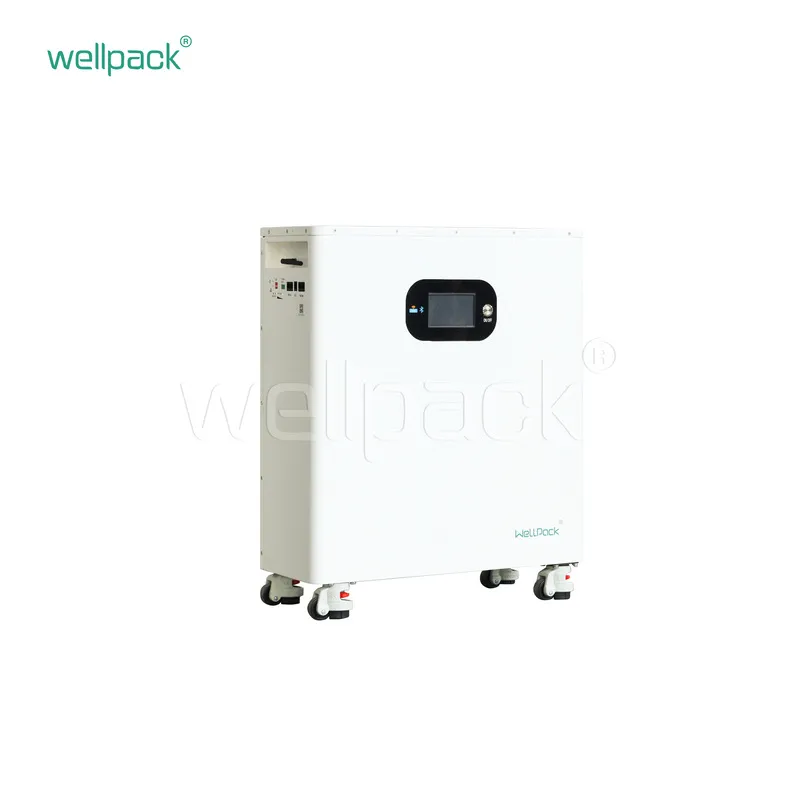
After understanding the factors above, you may be looking for a reliable product that checks all the boxes. The WPH10F-01 household energy storage battery from Better Technology Group Limited offers a well-balanced solution for typical residential needs. With a rated capacity of 10.54 kWh at 51.2V and 206Ah, it fits comfortably within the range suitable for many medium-sized homes. Built with premium LiFePO4 cells, it delivers a long cycle life of ≥4000 cycles and supports a high depth of discharge, giving you dependable daily use and backup readiness. The wall-mounted all-in-one design saves valuable floor space, while the intelligent BMS ensures safe operation under various conditions. Importantly, it supports parallel expansion, so you can connect multiple units to increase capacity as your needs grow. Whether you aim to maximize solar self-consumption or secure reliable backup power during outages, the WPH10F-01 combines safety, efficiency, and flexibility in a single package. We recommend evaluating your daily consumption against its specs to see how well it matches your home energy goals.