How to Fill a Motorcycle Battery with Acid
2026-02-02 15:44Table of Contents
1. Motorcycle Battery Types
2. When to Add Acid
3. Safety Precautions
4. Tools Needed
5. Preparing the Battery
6. Adding the Acid
7. Letting It Soak
8. Sealing and Initial Setup
9. Charging the Battery
10. Common Mistakes
11. Battery Maintenance
12. Professional Solutions
Motorcycle Battery Types
Most motorcycles run on lead-acid batteries, which remain the reliable standard for starting engines and powering electronics. These batteries come in two main forms: pre-filled wet batteries that arrive ready to install, and dry-charged batteries that ship without electrolyte. Dry-charged motorcycle batteries have fully formed plates inside but no acid yet. Manufacturers ship them this way to extend shelf life and avoid hazards during transport. When you buy a dry motorcycle battery, you add the acid yourself before first use. This approach keeps the battery fresh and often costs less than pre-filled options.
Some modern bikes use AGM (absorbed glass mat) batteries, a sealed variant of lead-acid design where acid stays trapped in glass mats. Conventional flooded lead-acid batteries, common on older or budget motorcycles, require you to fill them manually. Knowing your battery type matters because only dry-charged or conventional flooded batteries need acid added at home.
When to Add Acid
You face this task mainly when installing a new dry-charged motorcycle battery. These batteries arrive with a separate acid pack or bottle. If your old battery died and you chose a replacement labeled "dry" or "unfilled," you must fill it before installation. Pre-filled sealed batteries skip this step entirely—they come charged and ready.
Dealers sometimes sell dry batteries because they store longer without degrading. If you ordered online or from a parts supplier, chances are it needs filling. Check the packaging: a separate acid container means you handle the filling process yourself.
Safety Precautions
Battery acid is diluted sulfuric acid—corrosive and dangerous if mishandled. Always prioritize safety to avoid burns or injury.
Work in a well-ventilated area, preferably outdoors or with good airflow. Wear protective gloves, safety goggles, and old clothes that cover your skin. Keep baking soda nearby to neutralize spills. Avoid sparks, flames, or smoking—acid vapors can ignite.
If acid touches skin, rinse immediately with plenty of water. For eyes, flush for at least 15 minutes and seek medical help. Handle the acid container carefully to prevent tipping.
Tools Needed
You don't need many tools, but having the right ones simplifies the job. Most new dry motorcycle batteries include an acid pack designed to fit directly. You'll also want:
- Safety gloves and goggles
- Flat surface covered with newspaper or cardboard
- Small funnel (if pouring from a bottle)
- Pliers or scissors to open the acid pack
- Battery charger (preferably smart or low-amperage)
- Clean rag for wiping spills
Keep everything organized and within reach before starting.
Preparing the Battery
Place the battery on a stable, level surface. Remove any plastic caps or sealing strips from the fill ports—these are usually long strips covering all cells. Some batteries have individual caps you pry off with pliers. Do this gently to avoid damaging the ports.
If your motorcycle battery came with an acid pack that has multiple nozzles, remove the outer foil or cap but leave the inner seals intact. The pack is designed to puncture itself when pressed onto the battery.
Adding the Acid
This step requires steady hands. If using the supplied acid pack, turn it upside down and align the nozzles with the battery's fill holes. Press firmly and evenly until you feel the seals break. Acid will flow into each cell. Keep pressure steady until flow stops—usually a minute or two.
For batteries with a separate bottle, use a funnel and pour slowly into each cell. Fill to the upper level line marked inside the ports. Never overfill—excess acid can leak during charging and damage your motorcycle.
Work methodically across all cells (most motorcycle batteries have six). If bubbles appear, pause to let them settle before continuing.
Letting It Soak
After filling, let the motorcycle battery sit undisturbed. Acid needs time to soak into the plates. Wait at least 30 minutes to one hour—longer is better. During this period, the battery absorbs electrolyte and begins chemical activation.
You might notice the battery warming slightly as the reaction starts—this is normal. If levels drop after soaking, top up carefully to the upper line with remaining acid. Never add water at this stage; only use battery-grade acid.
Sealing and Initial Setup
Once soaking finishes and levels stabilize, seal the battery. Many dry-charged batteries include a strip of caps you press into place permanently. Push them down firmly until they click or sit flush. Some designs require individual caps screwed or snapped on.
Wipe any spilled acid from the top immediately with a baking soda solution, then rinse with water. A clean top prevents corrosion on terminals later.
Charging the Battery
Filling activates the battery to about 75-80% charge, but it needs a proper charge before use. Connect a charger set to low amperage—ideally 1-2 amps for motorcycle batteries. Higher rates can cause overheating or gassing.
Charge for several hours or until the charger indicates full. Smart chargers switch to maintenance mode automatically. Avoid leaving it on a basic charger too long without monitoring.
After charging, let the battery rest another hour before installing in your motorcycle. Check terminal voltage with a multimeter if you have one—fully charged lead-acid batteries read around 12.8 volts.
Common Mistakes
People often rush the process. Not waiting long enough for acid absorption leads to poor performance or premature failure. Overfilling causes acid to spill out vents during charging, corroding everything it touches.
Using the wrong acid concentration or adding water too early damages plates irreversibly. Forgetting safety gear risks painful burns. Charging at high amperage boils the electrolyte and shortens battery life.
Finally, installing the battery without a full charge strains your motorcycle's charging system and reduces lifespan.
Battery Maintenance
A properly filled motorcycle battery lasts three to five years with care. Keep terminals clean and coated with dielectric grease. Check electrolyte levels monthly on non-sealed batteries—add distilled water if low, never acid unless replacing lost volume.
Store in a cool, dry place if removing for winter. Use a trickle charger for long-term storage to prevent sulfation. Regular short rides help keep the battery topped up naturally.
Professional Solutions
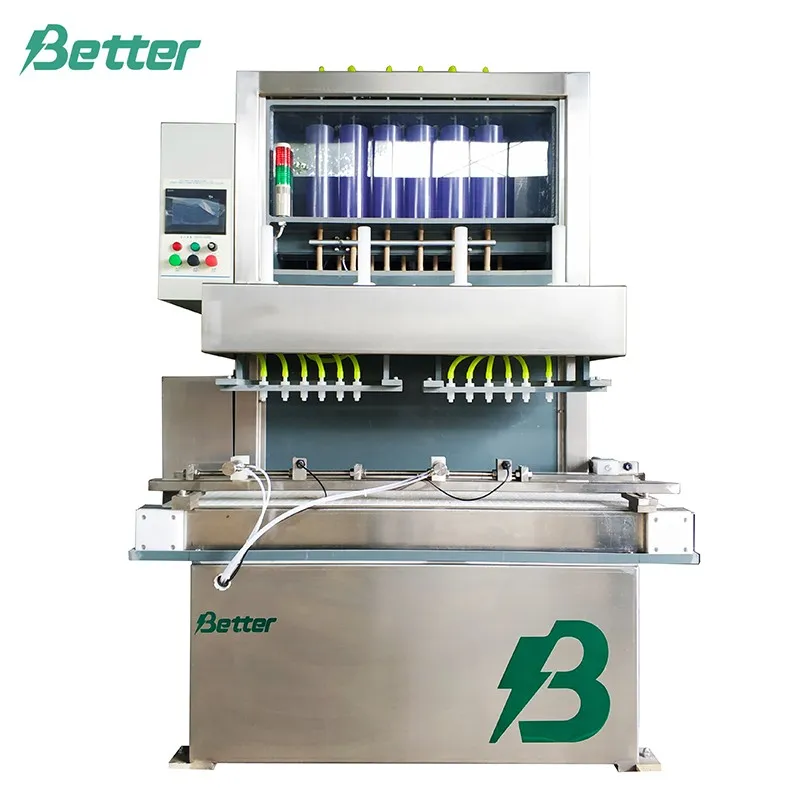
For individuals, manual filling works fine for occasional replacement. But workshops or manufacturers handling multiple batteries benefit from automation. An automatic acid adding machine offers precise digital control, filling accuracy within ±1%, and speeds up to 1000ml per minute per nozzle. These machines handle positioning, filling, and output automatically, reducing labor and spill risks while ensuring consistent results across batches. If you work with motorcycle batteries regularly or at scale, explore options like the one available at automatic acid adding machine—it's built for reliable, high-volume battery preparation.