How to Choose the Right Forklift Battery
2026-03-25 15:25Table of Contents
1. Understanding Forklift Battery Basics
2. Common Challenges with Forklift Batteries
3. Types of Forklift Batteries
4. Matching Voltage and Capacity to Your Needs
5. Runtime and Charging Requirements
7. Safety and Reliability Factors
Understanding Forklift Battery Basics
Forklift batteries power the electric motors that keep your equipment moving goods around warehouses, factories, and distribution centers every day. At its core, a forklift battery stores and delivers electrical energy to the truck's drive system, lift mechanism, and any auxiliary functions. Without the right one, operations slow down fast. Most forklifts run on systems rated at 24V, 36V, 48V, or higher, so the forklift battery you pick must match that voltage exactly. Capacity, measured in amp-hours (Ah), tells you how much energy the battery holds and how long it can run before needing a recharge. Choosing the right forklift battery starts here because a mismatch means either weak performance or wasted money on oversized units that never get fully used.
Common Challenges with Forklift Batteries
Workers on the floor often face the same frustrations with forklift batteries: sudden power drops during a busy shift, long charging times that tie up equipment, and frequent maintenance that pulls technicians away from other tasks. In high-volume settings, a forklift battery that quits early can create bottlenecks, missed deadlines, and even safety risks if operators push the equipment too hard. Many people search for answers on forklift battery life, why their current setup drains so quickly, or how to reduce downtime. These everyday pain points drive the need for a smarter choice when it comes time to replace or upgrade your forklift battery.
Types of Forklift Batteries
The two main categories you will encounter are traditional lead-acid forklift batteries and newer lithium-ion models. Lead-acid versions have been the standard for decades because they are affordable upfront and widely available. They come in flooded, gel, and AGM styles, each with slight differences in spill resistance and maintenance needs. Lithium-ion forklift batteries, on the other hand, use chemistries like LiFePO4 and deliver clear advantages in weight, efficiency, and cycle life. If you are comparing forklift battery types, lithium options usually win on speed and longevity, while lead-acid still appeal to budgets that prioritize initial cost over long-term savings. Your choice depends on how many hours per day the forklift runs and how much downtime you can afford.
Matching Voltage and Capacity to Your Needs
Start by checking the forklift manufacturer's plate for the exact system voltage. Installing a forklift battery with the wrong voltage can damage the truck's electronics or reduce performance dramatically. Once voltage matches, look at capacity. A higher Ah rating means the forklift battery can support longer shifts without stopping. For example, a 560Ah unit paired with a 51.2V system gives plenty of reserve for heavy lifting and travel. Calculate your daily energy use by estimating hours of operation and average load, then add a safety margin of 20 percent. This simple step prevents under-sizing your forklift battery and avoids the frustration of mid-shift recharges.
Runtime and Charging Requirements
Runtime is what most operators care about most. A good forklift battery should deliver consistent power right up to the end of the shift. Traditional lead-acid units often lose voltage as they discharge, making the truck feel sluggish. Modern lithium forklift batteries maintain steady output and allow 100% depth of discharge without shortening life. Charging is another big factor. Lead-acid batteries typically need eight to ten hours and a full cool-down period, which can limit multi-shift use. Lithium forklift batteries charge much faster—often in two to three hours—and support opportunity charging during breaks. If your facility runs around the clock, fast charging capability in your forklift battery becomes a game changer for keeping trucks on the floor.
Maintenance and Longevity
Lead-acid forklift batteries require regular watering, cleaning of terminals, and equalizing charges to stay healthy. Skip these steps and you shorten their useful life to perhaps 1,000 to 1,500 cycles. Lithium-ion forklift batteries need almost no routine care—no watering, no corrosion worries, and minimal monitoring. Many last 2,000 to 5,000 cycles or more, depending on usage and temperature. That extra longevity means fewer replacements over the years. When you factor in labor saved on maintenance, the right forklift battery pays for itself faster than it first appears. Check operating temperature too; extreme heat or cold affects every forklift battery, but lithium models handle wide ranges better.
Safety and Reliability Factors
Safety comes down to leak prevention, thermal stability, and built-in protection circuits. Flooded lead-acid forklift batteries can release hydrogen gas and require good ventilation. Lithium forklift batteries with LiFePO4 chemistry run cooler and include battery management systems that guard against overcharge, short circuits, and deep discharge. These features reduce fire risk and protect both operators and the equipment. Reliability also means consistent performance shift after shift. A dependable forklift battery keeps productivity steady and prevents costly surprises on the warehouse floor.
Budget and Overall Value
Upfront price is only part of the story. A cheaper lead-acid forklift battery might seem like a win until you add up water, maintenance labor, and earlier replacement costs. Lithium forklift batteries cost more initially but deliver lower total ownership expenses over time. Calculate payback by comparing cycle life, energy efficiency, and downtime savings. Many facilities find that investing in a quality forklift battery reduces their overall operating budget within the first two years. Look beyond the sticker price and consider how the forklift battery fits your specific duty cycle and facility layout.
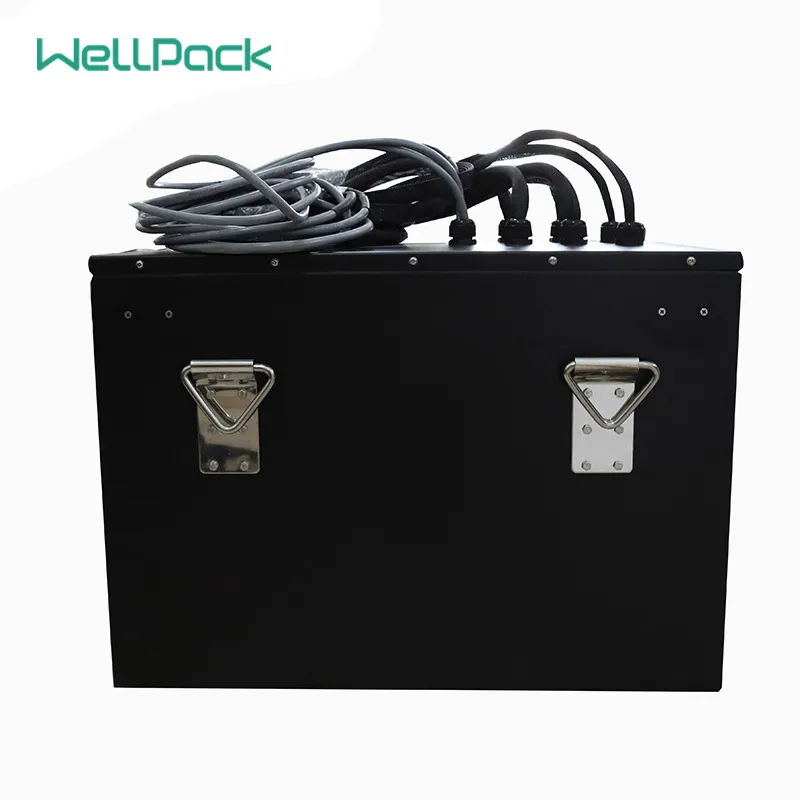
When it comes to reliable performance in demanding environments, the Forklift Battery 51.2V 560Ah from Better Tech offers a strong solution. Built with LiFePO4 cells, it delivers fast charging with flexible timing, strong power output, and a long service life that far exceeds traditional options. The sufficient capacity supports extended running time, and the 100% discharge rate means you get every bit of usable energy without worry. Safe, reliable, and designed specifically for electric forklifts and similar equipment, this lithium forklift battery reduces maintenance headaches and keeps your operation moving smoothly. If you want fewer interruptions and better efficiency, this is the forklift battery upgrade worth considering for your fleet.