Why Safe Battery Acid Removal Is Important
2026-06-23 14:58Table of Contents
What Makes Battery Acid Dangerous
How to Handle a Leaking Battery Safely
Why Professional Acid Removal Equipment Matters
Common Mistakes in Battery Maintenance
Recommended Solution for High-Volume Production
What Makes Battery Acid Dangerous
If you work with or around lead-acid batteries, you already know they contain sulfuric acid. But do you really understand what that means for your safety? Battery acid is highly corrosive. Even a small splash on your skin can cause burns. If it gets into your eyes, the damage can be permanent. When batteries are being formed or charged, the acid inside is under pressure and can easily spill if handled incorrectly.
The danger doesn't stop at direct contact. When battery acid leaks onto metal surfaces, it causes rapid corrosion. Over time, this weakens structural supports, damages equipment, and creates hidden hazards in your workspace. In enclosed areas, acid fumes can also build up, leading to respiratory irritation. For anyone managing a battery production line or maintenance shop, understanding these risks is the first step toward preventing accidents.
Many people assume that simply wearing gloves and goggles is enough. While personal protective equipment is essential, it only protects against accidental splashes. The real problem is uncontrolled acid spills during bulk processing. When you're handling hundreds of batteries daily, even a small percentage of leaks adds up to significant exposure risk. That's why automated acid removal systems have become standard in professional battery facilities.
How to Handle a Leaking Battery Safely
So what should you do when you find a leaking battery? First, never touch the liquid directly. Always wear acid-resistant gloves and eye protection before approaching. Ventilate the area immediately to disperse any harmful fumes. Use a neutralizing agent like baking soda mixed with water to carefully clean up the spill. Never use plain water alone, as it can spread the acid further.
For individual batteries, proper storage matters a lot. Keep them upright in a cool, dry place away from direct sunlight. Check terminals regularly for signs of corrosion, which often appears as a white or bluish powder. If you see this, it means acid vapor has been escaping. Clean it with a wire brush and apply anti-corrosion spray. But remember: once a battery casing is cracked or swollen, it must be replaced immediately. Continuing to use such a battery puts you at serious risk of acid burns or even explosion.
In larger operations where dozens or hundreds of batteries need processing after formation, manual handling becomes impractical. Each battery carries several liters of acid. Tilting, carrying, and pouring by hand introduces huge variability in safety. Workers get tired, attention drops, and accidents happen. This is where dedicated machinery makes all the difference.
Why Professional Acid Removal Equipment Matters
You might wonder: isn't it cheaper to just have workers drain batteries manually? On the surface, yes. But when you factor in labor costs, injury risk, downtime from spills, and inconsistent quality, manual draining quickly becomes more expensive. Professional acid dumping machines solve these problems by automating the entire process.
A well-designed machine does three things better than any human. First, it positions each battery precisely so that acid pours out completely without splashing. Second, it controls the rotation speed and angle to avoid damaging internal plates. Third, it handles the flow of batteries continuously, maintaining a steady production rhythm. The result is consistent output with zero operator fatigue.
Another key advantage is material safety. Good machines use corrosion-resistant components like 316L stainless steel and special plastics that withstand acid exposure for years. This means less maintenance and fewer replacement parts over the machine's lifetime. For facilities running multiple shifts, this reliability translates directly into higher profitability.
Common Mistakes in Battery Maintenance
Even experienced technicians make errors when dealing with battery acid. One frequent mistake is using the wrong type of container for collecting drained acid. Standard plastic buckets can degrade over time, especially if they aren't rated for sulfuric acid. Always use containers made of polypropylene or other acid-resistant materials.
Another common issue is improper disposal of used acid. Some people think diluting it with lots of water makes it safe to pour down drains. This is incorrect and often illegal. Spent battery acid contains dissolved lead and other heavy metals. It must be collected and sent to licensed recycling facilities. Failing to do so can result in hefty fines and environmental damage.
Timing also matters. Draining acid too early, before the chemical reactions inside the battery have stabilized, can reduce battery performance. Waiting too long allows sediment to settle and clog the drainage ports. A properly timed automated system eliminates this guesswork. With programmable settings, you can ensure each battery is drained at exactly the right moment for maximum efficiency.
Recommended Solution for High-Volume Production
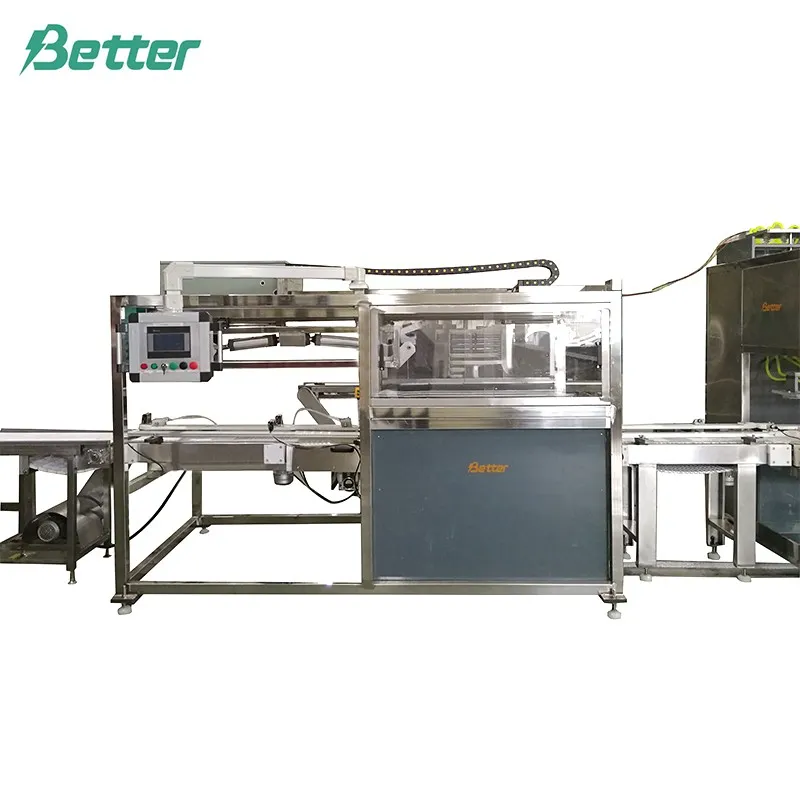
For businesses that need to process large quantities of lead-acid batteries safely and efficiently, investing in specialized equipment is no longer optional, it's a competitive necessity. The Automatic Acid Dumping Machine from Better Technology Group Limited offers a practical solution designed specifically for this challenge. It handles batteries ranging from 12V32Ah to 12V200Ah, covering most common industrial sizes. The machine operates at a rate of 4 to 6 batteries per minute, which keeps your production line moving smoothly without bottlenecks.
Key features include a four-station design with a double-layer transmission chain plate that ensures rapid and accurate positioning. The entire process is operator-free once loaded, meaning one person can oversee multiple machines simultaneously. Construction uses 316L stainless steel, a PVC acid tank, and a PP conveyor belt, all chosen for long-term resistance to corrosion. The control system relies on Mitsubishi PLC and HMI components, giving you reliable automation with easy adjustments. Pneumatic parts come from AirTAC, and electrical components from Schneider, both trusted names in industrial automation.
Beyond the technical specs, what makes this machine stand out is its focus on real-world production needs. The continuous flow design means there's no waiting between cycles. The precise rotation control ensures every drop of acid is removed without damaging the battery internals. And because it runs on standard AC380V power with moderate air consumption, integration into existing factory setups is straightforward. If you're looking to improve workplace safety while boosting throughput, this acid dumping machine deserves serious consideration. It turns a hazardous manual task into a clean, repeatable, and efficient automated process.