What Is Battery Acid and Why Is It Dangerous
2026-03-10 14:20Table of Contents
1. What Is Battery Acid?
2. Types of Battery Acid
3. Where You Might Encounter Battery Acid
4. Why Battery Acid Is Dangerous
5. Health Risks from Battery Acid Exposure
6. Signs of Battery Acid Exposure
7. Safe Handling of Battery Acid
8. What to Do If Exposed to Battery Acid
9. Preventing Battery Acid Accidents
10. Environmental Impact of Battery Acid
11. Battery Acid in Modern Batteries
12. Myths About Battery Acid
13. Professional Tools for Battery Acid Management
What Is Battery Acid?
Battery acid is essentially a strong chemical solution found in many rechargeable batteries, particularly lead-acid ones used in cars, trucks, and industrial equipment. At its core, battery acid is sulfuric acid diluted with water, typically around 30-50% concentration. This mixture allows the battery to store and release electrical energy through chemical reactions. If you're dealing with vehicle maintenance or working in a warehouse with forklifts, understanding what battery acid is can help you stay safe. People often search for "what is battery acid" when they notice leaks or smells from batteries, wondering if it's something they need to handle right away.
Types of Battery Acid
There are a few variations of battery acid depending on the battery type. The most common is sulfuric acid in lead-acid batteries, which powers most vehicles. In some sealed batteries, it's in a gel form to reduce spills. Other batteries, like those in electric vehicles, might use different acids or electrolytes, but sulfuric acid remains the go-to for traditional setups. Knowing the types helps when you're replacing a battery or checking compatibility. For instance, if you're asking about "types of battery acid," it's usually to figure out what's in your car's battery versus a motorcycle one.
Where You Might Encounter Battery Acid
You'll run into battery acid in everyday places like your car's engine bay, where the battery sits. In workplaces, it's common in forklifts, backup power systems for buildings, or even golf carts at a course. At home, it might be in lawnmower batteries or uninterruptible power supplies for computers. If you're in manufacturing or recycling, battery acid handling is part of the job. Searches for "battery acid locations" often come from folks spotting corrosion on terminals and wanting to know if acid is involved.
Why Battery Acid Is Dangerous
Battery acid is dangerous mainly because it's highly corrosive. It can eat through skin, clothing, and metals quickly. The fumes from battery acid can irritate your lungs, and if it mixes with other substances, it might release toxic gases. In confined spaces, this risk amps up. People look up "why is battery acid dangerous" after a spill or when they're about to work on a battery without protection, realizing they need to know the hazards.
Health Risks from Battery Acid Exposure
Exposure to battery acid can lead to burns on the skin or in the eyes, which might cause permanent damage if not treated fast. Inhaling vapors from battery acid over time could irritate your respiratory system, leading to coughing or shortness of breath. Swallowing even a small amount is a serious emergency. Long-term contact might increase risks of other health issues. If you're searching "battery acid health risks," it's likely because you've had a close call and want to assess the danger.
Signs of Battery Acid Exposure
Look out for immediate signs like a burning sensation on skin or redness where battery acid touched. Eyes might water or sting badly. If you've inhaled it, you could feel throat irritation or nausea. On materials, battery acid shows as white powdery residue or holes in fabric. Recognizing these signs early can prevent worse problems. Queries like "signs of battery acid exposure" pop up when someone suspects contact but isn't sure.
Safe Handling of Battery Acid
When handling battery acid, always wear gloves made of rubber or neoprene, and use safety goggles to protect your eyes. Work in well-ventilated areas to avoid breathing in fumes. If you're adding battery acid to a battery, pour slowly and avoid splashes. Store battery acid in labeled, acid-resistant containers away from kids and pets. Basic steps like these make a big difference. Folks often seek "safe handling of battery acid" tips before DIY battery maintenance.
What to Do If Exposed to Battery Acid
If battery acid gets on your skin, rinse with plenty of water for at least 15 minutes. For eyes, flush with water and seek medical help immediately. Don't neutralize with baking soda unless you're trained, as it might cause more heat. Remove contaminated clothes carefully. In case of ingestion, don't induce vomiting—call poison control right away. Quick action is key. Searches for "what to do if exposed to battery acid" are common after accidents.
Preventing Battery Acid Accidents
To prevent accidents with battery acid, regularly inspect batteries for leaks or cracks. Use battery trays to catch any spills. In workplaces, train staff on proper procedures and keep spill kits handy. At home, keep batteries upright and charged properly to minimize acid issues. Simple checks can avoid big problems. People ask about "preventing battery acid accidents" to make their routines safer.
Environmental Impact of Battery Acid
Battery acid can harm the environment if not disposed of correctly. It contaminates soil and water, affecting plants and animals. Improper recycling leads to leaks that pollute groundwater. Regulations require proper battery acid disposal at designated centers. Being aware helps you contribute to cleaner practices. Inquiries like "environmental impact of battery acid" arise from eco-conscious users.
Battery Acid in Modern Batteries
In today's batteries, like lithium-ion ones, battery acid isn't always sulfuric acid—some use other electrolytes. But lead-acid batteries still dominate in many applications due to cost. Advances aim to make battery acid safer, like in absorbed glass mat designs that immobilize the acid. Understanding this evolution helps when choosing batteries. Searches for "battery acid in modern batteries" come from those upgrading tech.
Myths About Battery Acid
One myth is that battery acid is just water—it's not; it's a potent acid. Another is that small exposures are harmless, but even minor contact can cause issues. Some think battery acid doesn't fume, yet it does release gases during charging. Clearing these up prevents mistakes. People look for "myths about battery acid" to separate fact from fiction.
Professional Tools for Battery Acid Management
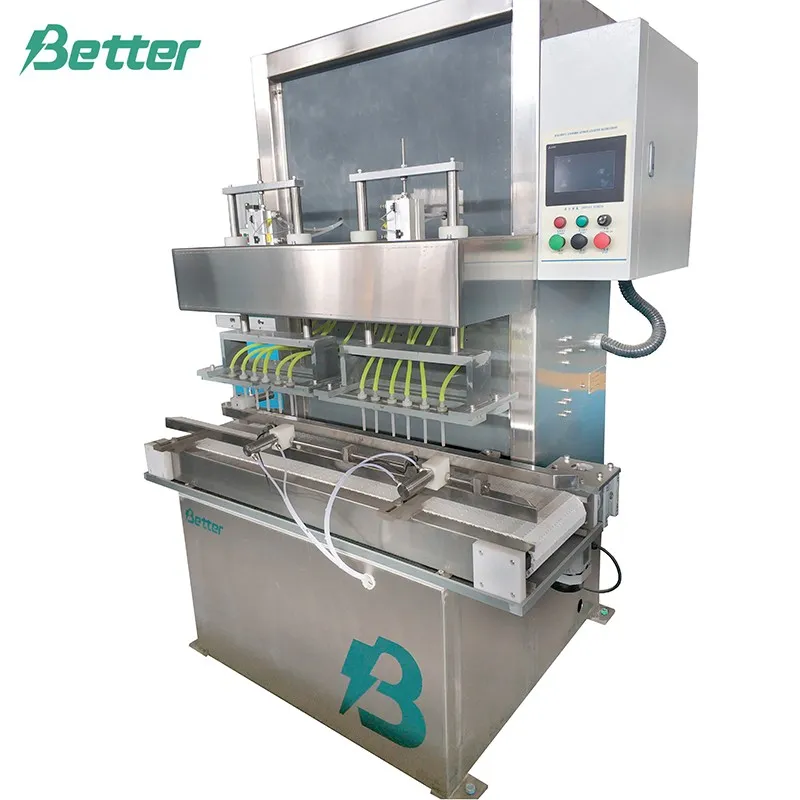
For those in battery manufacturing or maintenance, tools like the acid leveling machine from Better-Tech offer precise control over acid levels in batteries, ensuring consistent quality and reducing waste. This machine automates the process, minimizing human error and exposure to battery acid, which boosts safety in high-volume operations. It handles various battery sizes efficiently, cutting down on time and costs. If you're dealing with battery production, check out the acid leveling machine at Acid Leveling Machine for reliable performance and easy integration into your workflow.