Factors Affecting Battery Lifespan Daily
2026-03-09 14:26Factors Affecting Battery Lifespan Daily
1. Temperature Impact
2. Charging Habits
3. Usage Patterns
4. Battery Type
5. Storage Conditions
6. Maintenance Tips
7. Environmental Factors
8. Device Settings
9. Age and Cycles
10. Quality and Manufacturing
11. Product Recommendation
Temperature Impact
Batteries are sensitive to heat and cold, which can shorten their lifespan in ways you might not expect. When your phone or laptop gets too hot, the battery degrades faster because high temperatures speed up chemical reactions inside. Keeping devices in a cool spot helps preserve battery life. On the flip side, extreme cold slows down those reactions, making the battery seem weaker temporarily, but repeated exposure can cause permanent damage. Aim for room temperature around 20-25°C to keep things stable. If you're in a hot car or freezing weather, that's when battery issues often start showing up.
Charging Habits
How you charge your battery matters a lot for its long-term health. Plugging in overnight might seem convenient, but keeping it at 100% for hours can stress the cells. Partial charges, like topping up from 20% to 80%, are gentler on lithium-ion batteries common in gadgets. Fast charging is handy, but it generates more heat, which ties back to temperature problems. Using the right charger from the manufacturer avoids mismatched voltages that could harm the battery. Over time, bad habits add up, leading to quicker capacity loss.
Usage Patterns
The way you use devices daily influences battery lifespan without you realizing it. Running multiple apps or streaming video drains power fast, forcing more charge cycles. Dimming the screen or closing unused apps can ease the load. Heavy tasks like gaming push the battery harder, creating heat and wear. If you're on the go a lot, frequent low-battery warnings mean more stress. Balancing usage with breaks lets the battery recover, extending its overall life.
Battery Type
Different battery types handle daily wear differently. Lithium-ion batteries in most smartphones and EVs offer good energy density but fade after hundreds of cycles. Nickel-metal hydride ones in some hybrids are tougher but hold less power. Lead-acid batteries in cars are cheap and reliable for starting engines but don't like deep discharges. Knowing your battery type helps predict lifespan issues. For instance, lithium-polymer variants in drones are lightweight but sensitive to overcharge. Matching the type to your needs avoids early failures.
Storage Conditions
Storing batteries properly when not in use prevents unnecessary degradation. Leaving a device off for months at full charge can cause swelling or leaks. Store at about 50% charge in a cool, dry place to minimize self-discharge. Humidity speeds up corrosion, especially in alkaline batteries for remotes. For rechargeable ones, avoid direct sunlight or damp areas. Proper storage keeps the battery ready when you need it, without losing much capacity over time.
Maintenance Tips
Simple maintenance can boost battery lifespan significantly. Regularly clean contacts to ensure good connections, as dirt builds up resistance. For car batteries, check fluid levels if it's the flooded type. Calibrating smartphone batteries by fully discharging and charging occasionally resets the gauge. Avoid dropping devices, as impacts damage internal structures. These steps aren't complicated but make a real difference in how long your battery lasts.
Environmental Factors
Surroundings play a role in battery performance beyond just temperature. Dust and dirt can clog vents, leading to overheating. In humid areas, moisture causes short circuits over time. Altitude affects some batteries by changing pressure, though it's minor for most users. Vibrations in vehicles wear down connections. Being aware of these helps you protect the battery in tough conditions, like workshops or outdoor jobs.
Device Settings
Adjusting settings on your gadgets can preserve battery life effectively. Enabling battery saver mode limits background processes. Turning off location services when not needed stops constant draining. Auto-brightness adapts to light, saving power. Updates often include battery optimizations, so keep software current. These tweaks reduce daily strain, helping the battery hold up longer in busy routines.
Age and Cycles
Batteries naturally age, even if you treat them well. Each charge cycle— from full to empty and back—wears them down a bit. Most lithium-ion batteries last 300-500 cycles before noticeable drop-off. Calendar aging happens just from time passing, degrading materials. If your device is a few years old, expect shorter runtime. Tracking cycles through apps gives insight into when replacement might be needed.
Quality and Manufacturing
The build quality of a battery directly impacts its lifespan. Cheaper ones might use lower-grade materials, leading to faster failure. Manufacturing defects like uneven cell distribution cause imbalances. Reputable brands invest in better tech for consistent performance. In production, precise assembly ensures longevity. For businesses dealing with batteries, choosing high-quality sources reduces downtime and costs.
Product Recommendation
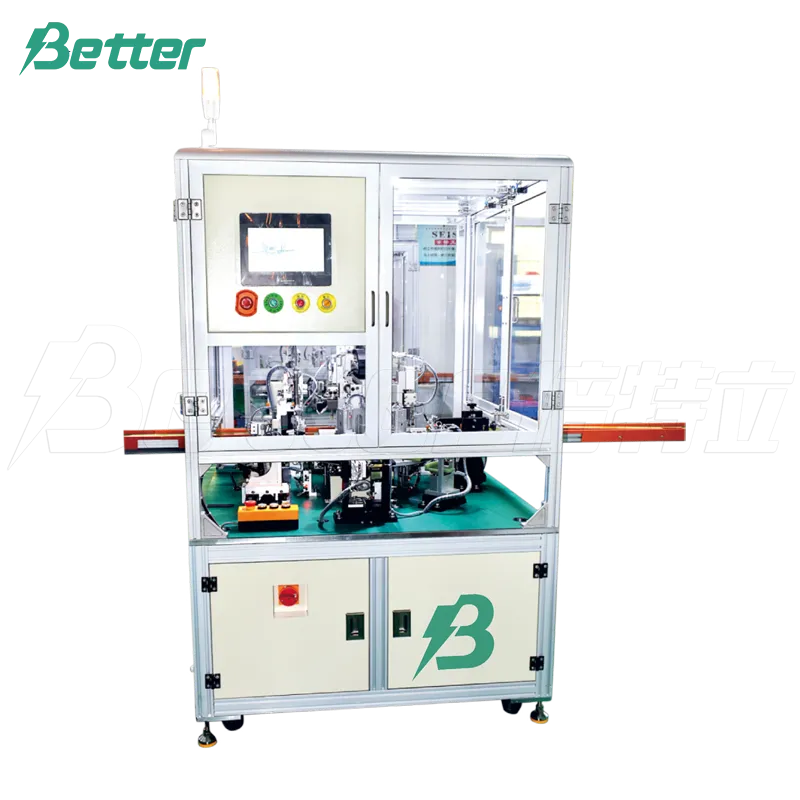
When it comes to manufacturing reliable batteries, equipment like the Cell Bottom Taping Machine from Better Tech stands out for its precision in sealing processes. This machine applies adhesive evenly at the end of battery production lines, ensuring strong bonds that prevent leaks and improve overall durability. Its automated features reduce human error, boosting efficiency for B2B operations. With adjustable settings for different battery sizes, it adapts easily to various needs. For companies aiming to enhance battery quality and extend lifespan, checking out Cell Bottom Taping Machine—it delivers consistent results that help produce longer-lasting products.