The Role of Ball Mill Machines in Battery Production
2026-04-15 14:44Table of Contents
1. How Ball Mill Machines Support Battery Production
2. Common Issues with Ball Mill Machines
3. Practical Steps to Optimize Ball Mill Machine Performance
4. Key Factors in Choosing the Right Ball Mill Machine
5. Essential Maintenance for Reliable Ball Mill Machine Operation
How Ball Mill Machines Support Battery Production
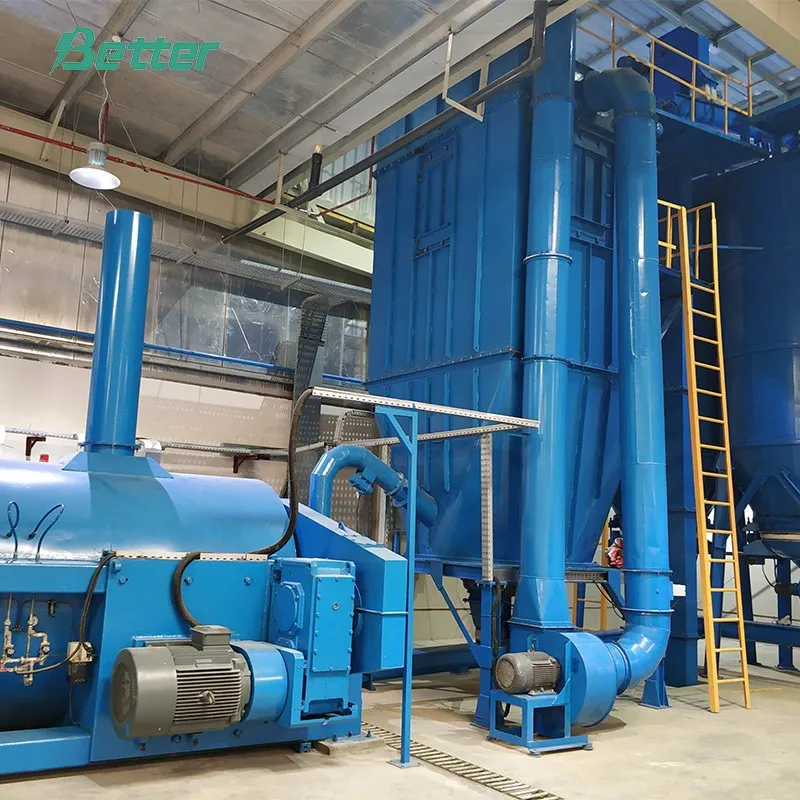
A ball mill machine sits at the heart of many battery production lines because it turns basic lead materials into the fine lead oxide powder that becomes the active ingredient in lead-acid battery plates. Inside the machine, lead cylinders tumble inside a large rotating drum. The constant rubbing generates just enough heat to break off tiny particles, and a steady stream of air oxidizes them into lead oxide. This powder then goes straight into the paste that coats the battery grids. Without a properly running ball mill machine, you end up with uneven material that hurts battery capacity and lifespan right from the start.
In broader battery work, the same ball mill machine principle helps grind and mix cathode or anode materials for other types, ensuring particles are uniform so the final cells perform consistently. Technicians rely on the ball mill machine for high-volume output that matches the demands of automotive, backup power, and industrial batteries. The process is straightforward yet precise: control the load, speed, and air flow, and you get reliable results shift after shift. Most people searching for answers about battery production quickly realize that the ball mill machine directly affects daily throughput and product quality.
Understanding this role helps you spot when something feels off in your line. The ball mill machine does the heavy lifting so downstream steps like pasting and assembly can run smoothly. It supports the entire battery industry by delivering the consistent lead oxide that modern designs require.
Common Issues with Ball Mill Machines
Even a solid ball mill machine can bring headaches during regular use in battery production. One frequent issue is uneven particle size in the output powder. When the grind is off, the lead oxide does not mix well later, leading to batteries that charge unevenly or lose capacity faster. Another common problem is dust escaping around seals or vents, which creates extra cleanup work and raises safety concerns in the plant.
Temperature swings inside the drum often change the crystal structure of the oxide, making it less effective for battery performance. High energy draw is another area that shows up on the monthly bills, especially when the ball mill machine runs for long hours without fine-tuned settings. Wear on internal parts can also cause unexpected stops, forcing the team to pause production while waiting for repairs. These issues are part of daily life for anyone operating a ball mill machine, and catching them early keeps the line moving.
Many operators notice that small imbalances in air flow or feed rate quickly affect the whole process. The ball mill machine is tough, but it still needs attention to avoid these routine disruptions that slow down battery output.
Practical Steps to Optimize Ball Mill Machine Performance
Getting the most from your ball mill machine starts with daily checks on air flow and humidity levels. Proper balance here ensures the oxidation step happens cleanly and the powder comes out uniform. Adjusting the drum rotation speed to match your current load prevents over-grinding or under-grinding, which directly improves the final particle size consistency that battery makers need.
Keeping an eye on internal temperature helps maintain the right oxide form without sudden spikes. Simple tweaks like cleaning the filters on the air system or adjusting the feed rate can boost output without adding extra power. Using quality grinding media also reduces wear and keeps the process efficient over time. These steps fit right into regular shifts and help the ball mill machine deliver steady results even during peak production weeks.
Integrating basic monitoring tools lets you catch small changes before they become big problems. The ball mill machine responds well to these practical adjustments, giving you better efficiency and fewer surprises in the battery production schedule.
Key Factors in Choosing the Right Ball Mill Machine
When it comes time to select a ball mill machine, capacity should match your planned daily output so the equipment does not sit idle or become a bottleneck. Look for models with good automation features, such as centralized controls, that reduce manual adjustments during operation. Build quality matters too — sturdy drums and reliable seals last longer under the constant vibration and heat of battery work.
Energy efficiency ratings help control long-term running costs, especially if your line operates around the clock. Ease of maintenance and ready availability of spare parts keep downtime low when something does need attention. Make sure the ball mill machine fits with your existing lead handling and powder storage setup to avoid extra engineering work. Considering these points helps you pick a ball mill machine that supports your production goals without unnecessary expense.
The right choice means smoother integration and fewer headaches later, letting your team focus on meeting battery quality targets instead of fighting equipment limitations.
Essential Maintenance for Reliable Ball Mill Machine Operation
Routine lubrication of bearings and moving parts keeps the ball mill machine running quietly and efficiently. Regular inspection of drum liners and grinding media catches wear before it affects powder quality or causes sudden breakdowns. Cleaning air filters and checking seals prevents dust leaks and maintains proper oxidation conditions inside the drum.
Electrical controls and sensors also need periodic review to ensure accurate temperature and speed readings. Scheduling short planned stops for these tasks avoids longer unplanned halts that disrupt battery production schedules. Following the manufacturer's guidelines for each service interval extends the life of the ball mill machine and keeps output consistent year after year.
These straightforward maintenance habits become second nature and pay off by reducing repair costs and keeping the entire line dependable.
If you work with lead oxide production for batteries, the Lead Oxide Ball Mill Manufacturing Machine from Better Technology offers a practical upgrade. It fully automates the process from lead cylinder preparation through oxide manufacturing to storage and delivery, delivering high efficiency and consistent quality with capacities up to 24 tons per day. The PLC control system plus advanced positive and negative pressure air systems make daily operation straightforward and reliable. For anyone looking to reduce manual work while keeping steady output in battery production, this ball mill machine is a solid choice worth considering.