How Low Oxygen Environment Improves Lithium Battery Performance & Safety
2026-05-07 14:44Table of Contents
Lithium batteries power everything from your phone and laptop to electric vehicles and home energy storage. Many everyday frustrations trace back to how these batteries interact with oxygen during manufacturing or use. Oxygen and moisture trigger unwanted chemical reactions that degrade materials right from the start.
When electrodes or electrolytes meet air, oxidation happens. This forms unwanted layers on the anode and cathode surfaces, raising internal resistance and cutting capacity over time. Users notice this as batteries that drain faster, charge slower, or stop holding a full charge after just a few months.
In daily life, this matters when your power bank dies unexpectedly during travel or your EV range drops more quickly than expected in hot weather. Even small amounts of oxygen exposure early on can reduce overall cycle life by 20-30% in some cell designs. Moisture combined with oxygen creates hydrofluoric acid traces that eat away at separators and current collectors, leading to swelling, leakage risks, or sudden performance drops.
These problems show up in real ways: phones overheating during fast charging, tools losing power midway through a job, or storage batteries underperforming after sitting unused. Understanding oxygen's role helps explain why not all batteries perform or last the same, even with similar specs on paper.
How Low Oxygen Environments Work in Battery Production
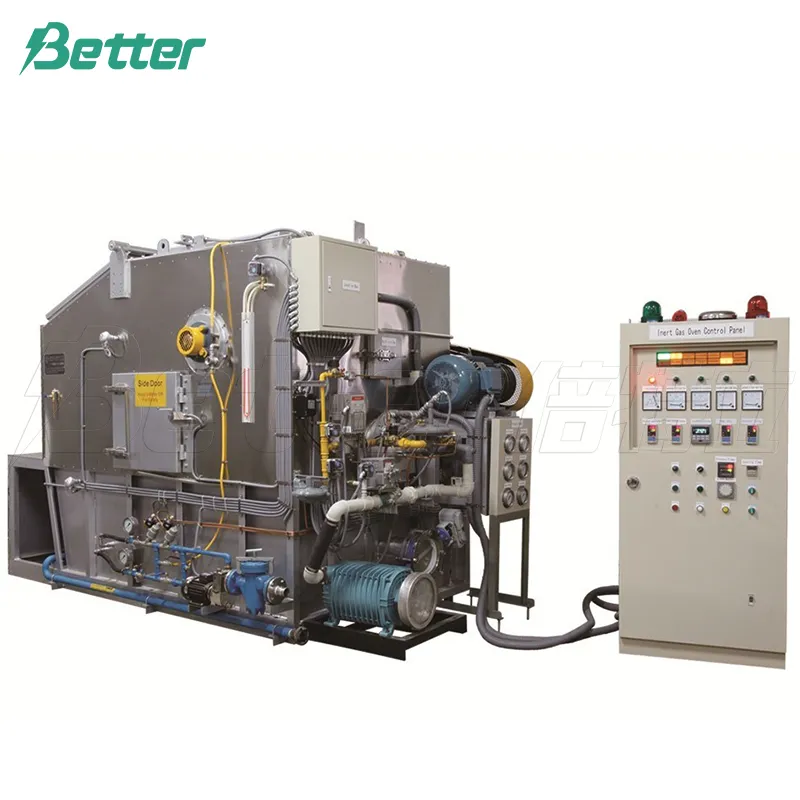
Manufacturers control oxygen by using inert gas ovens and dry rooms filled with nitrogen or argon. These setups keep oxygen levels very low, often below 1% or even near zero during critical drying, coating, and assembly steps. The process replaces regular air with inert gas that doesn't react with sensitive lithium compounds.
For electrode materials, especially after formation or washing, drying in a low oxygen setting prevents surface oxidation. This keeps the active materials pure and reactive as intended. Without it, plates or foils develop oxide layers that block efficient lithium ion movement later. Inert gas ovens circulate heated gas evenly while pulling out moisture, achieving water content below 0.1% without harming the chemistry.
This controlled environment extends beyond drying. Electrolyte filling, sealing, and some formation processes also benefit from reduced oxygen to minimize side reactions that generate gas or degrade solvents. The result is cells with cleaner interfaces between electrodes and electrolyte — the solid electrolyte interphase (SEI) forms more uniformly and stays stable longer.
Production lines using these methods need precise temperature, gas flow, and humidity controls. Stainless steel construction and reliable circulation fans allow continuous operation without introducing contaminants. For anyone sourcing or using batteries, knowing a maker invests in inert atmosphere processes signals higher consistency and fewer early failures.
Performance Gains from Controlled Oxygen Levels
Batteries made in low oxygen conditions deliver noticeable improvements in everyday use. They hold charge better because the electrodes stay closer to their original state. This means more usable capacity over hundreds or thousands of cycles.
Lower internal resistance translates to faster charging without excessive heat and better efficiency during discharge. Your devices run cooler and longer on a single charge. In power tools or e-bikes, this shows as sustained power output instead of quick drop-off. For solar storage systems, it means more reliable energy availability even after repeated daily cycling.
Long-term stability improves too. Reduced oxidation slows capacity fade, so a battery might retain 80% of its original capacity after more cycles. This directly affects total cost of ownership — fewer replacements and less downtime.
Users dealing with temperature swings appreciate this most. In hot climates or during heavy use, oxygen-induced degradation accelerates. Low-oxygen production creates a stronger foundation that resists these stresses better. The SEI layer stays thinner and more conductive, preserving ion flow where oxygen-exposed cells develop thicker, resistive barriers.
Consistency across batches is another plus. Batteries from well-controlled processes show tighter performance spreads, so every cell in a pack behaves similarly. This reduces weak links in multi-cell setups common in EVs and energy storage.
Safety Improvements You Can Rely On
Safety is a top concern for lithium battery users. Low oxygen manufacturing reduces risks by creating more stable internal chemistry. Fewer impurities and better-controlled interfaces lower the chance of internal shorts or runaway reactions.
Thermal runaway often starts with small triggers like dendrite growth or electrolyte breakdown. Cleaner materials from inert environments make these triggers less likely. The battery tolerates abuse — such as overcharge, puncture, or high temperatures — with less dramatic outcomes.
In storage or transport, these batteries generate less gas and show lower self-discharge, cutting swelling or pressure build-up risks. For home energy systems or vehicle packs, this adds peace of mind during normal operation or unexpected events.
Fire protection concepts also use oxygen reduction in larger installations, keeping ambient oxygen low enough to suppress combustion if a cell fails. While production focuses on building better cells, the same principle of inert atmospheres supports safer end-use environments.
Overall, these batteries are less prone to sudden failures that make headlines. They offer more predictable behavior, which is valuable whether you're a daily commuter relying on an EV or managing a fleet of devices.
Practical Tips for Users and Buyers
When choosing lithium batteries, look beyond basic specs. Ask about manufacturing conditions — do they use inert gas drying or controlled atmosphere assembly? Brands transparent about these steps usually deliver more reliable products.
For existing batteries, proper care still matters. Store them at moderate temperatures, avoid full discharges when possible, and use chargers that match manufacturer recommendations. These habits work best on top of good initial quality.
Monitor for signs of issues like unusual heat, swelling, or rapid capacity loss. Replace promptly if problems appear. In professional settings, such as workshops or data centers, investing in batteries from advanced production lines reduces maintenance headaches and safety risks.
Understanding these details helps you make informed decisions instead of guessing why one battery lasts and another doesn't. Low oxygen processing is one key behind the difference.
The Inert Gas Oven from Better Technology offers a practical solution for manufacturers aiming for these standards. It enables fully oxygen-free drying of plates with excellent uniformity, achieving very low water and oxide content in short cycle times. Features like stainless steel build, efficient circulation, and easy operation help produce higher-performance, safer lithium-compatible battery components while boosting efficiency. If you're involved in battery production or sourcing, this equipment is worth considering to improve output quality and consistency.