



- Home
- >
News
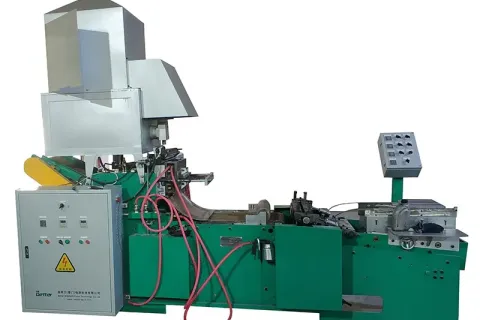
The grid is the metal framework inside every lead-acid battery plate. It holds the active material that stores and releases energy.
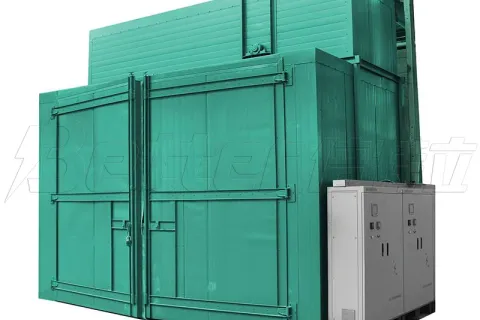
The drying stage in lead-acid battery manufacturing plays a quiet but decisive role here. It shapes how well the plates hold their structure and how efficiently the battery stores and releases energy over time.
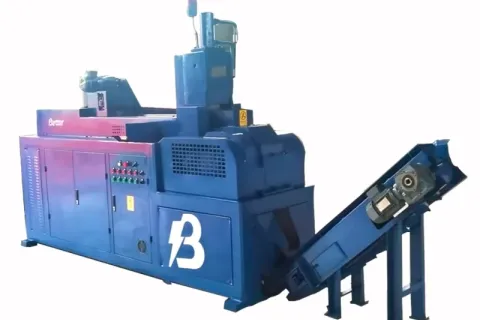
Lead ingots form the foundation for lead-acid battery production. They supply the main material that eventually becomes the active paste inside battery plates.
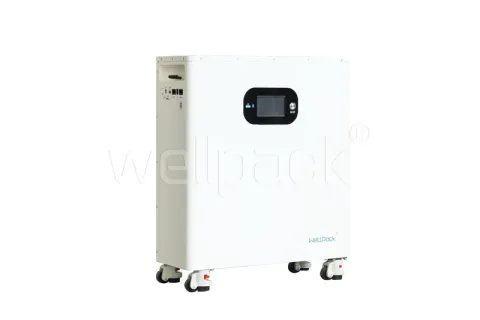
Think about how long you want backup power to last. A short blackout might need only a few hours of support, while areas prone to storms could call for a full day or more. Peak power demand matters too.
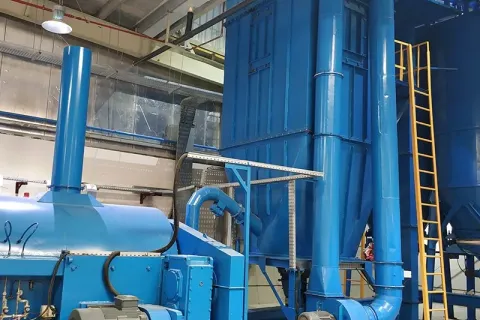
A ball mill machine sits at the heart of many battery production lines because it turns basic lead materials into the fine lead oxide powder that becomes the active ingredient in lead-acid battery plates.
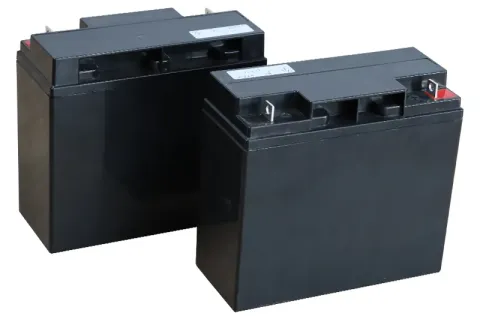
In EV lead-acid battery production, public attention often focuses on paste formulation and formation processes affecting capacity, while overlooking a core component determining battery life, rate capability, and reliability—the grid.
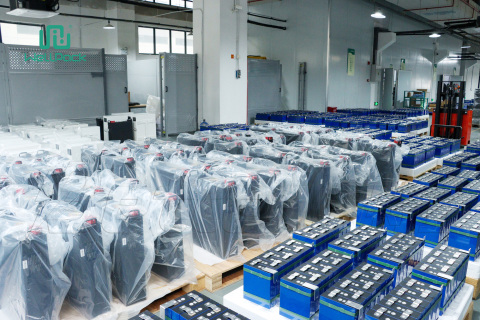
All battery performance parameters fundamentally represent external manifestations of internal electrochemical characteristics. New energy batteries have no absolute "perfect parameters"—only optimal balances based on application scenarios
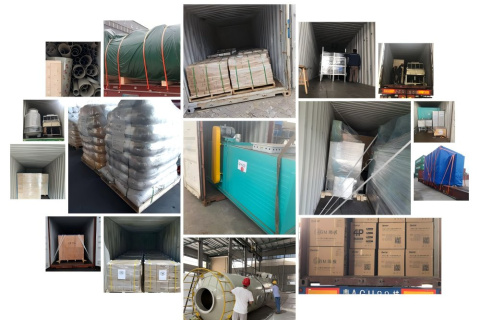
In today's diverse new energy battery landscape, lithium-ion technology dominates. However, one secondary battery, born over 160 years ago, continues to hold an irreplaceable position in automotive, telecommunications, and energy storage—the lead-acid battery.
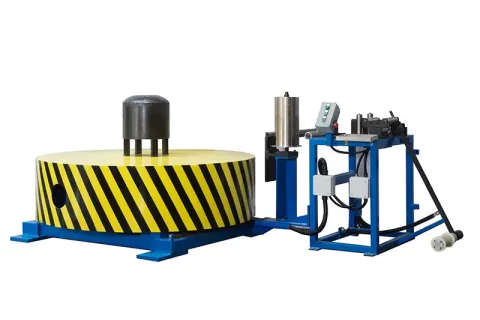
The grid is the backbone of every lead-acid battery. It holds the active material in place and carries the electric current.
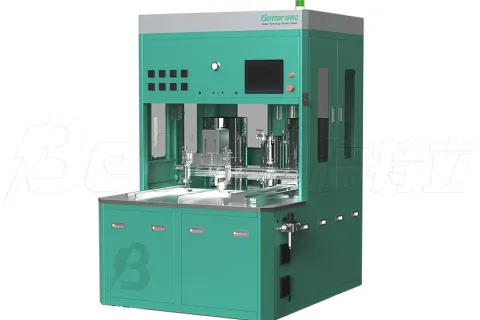
Thermal runaway in lithium batteries happens when heat builds up inside a cell faster than it can escape. The reactions inside release even more heat, creating a loop that quickly raises the temperature.
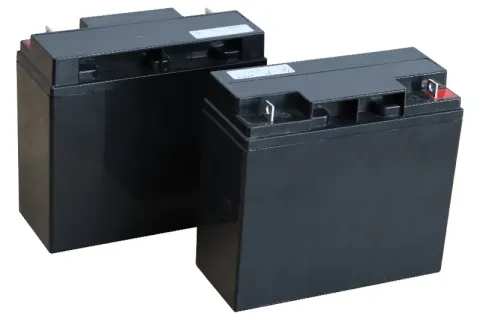
Sulfation is the buildup of lead sulfate crystals on the plates inside a lead acid battery. Every time your battery discharges to power something, a thin layer of these crystals forms naturally as part of the chemical reaction.
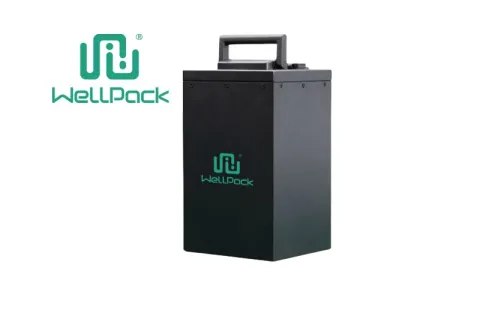
Once yours hits that range, testing the motorcycle battery becomes part of routine care. Spotting the signs early keeps your rides reliable and prevents bigger electrical headaches down the line.