Why Lead Oxide Paste is Essential for Battery Plates
2025-12-15 16:04Contents
1. What Battery Plates Do in Lead-Acid Batteries
2. The Role of Lead Oxide Paste
3. How Lead Oxide Paste Gets Made and Applied
4. Why Paste Quality Directly Affects Battery Performance
5. Common Issues When Paste Application Goes Wrong
6. Getting Paste Application Right in Production
7. A Reliable Solution for Consistent Pasting
What Battery Plates Do in Lead-Acid Batteries
Battery plates are the heart of any lead-acid battery, whether it's powering a car starter, a forklift, or backup systems. These plates hold the active material that reacts with the electrolyte to store and release energy. Without strong, well-made plates, a battery simply won't deliver reliable power or last through repeated charges and discharges.
Most lead-acid batteries use flat plates made from a lead grid filled with a special paste. This setup allows the chemical reactions to happen efficiently on both positive and negative sides. Understanding the plates helps explain many of these everyday issues.
The Role of Lead Oxide Paste
Lead oxide paste forms the active material on battery plates. It's primarily made from lead oxide powder mixed with sulfuric acid and water, creating a thick mixture that's pressed into the grid. During the battery's initial charging (called formation), this paste transforms: on positive plates it becomes lead dioxide, and on negative plates it turns into spongy lead.
This paste is essential because dry lead oxide powder alone wouldn't stick to the grid or provide enough surface area for reactions. The paste ensures good adhesion, creates a porous structure for electrolyte access, and enables the conversion to active materials that generate electricity. Without proper lead oxide paste, battery plates lack the capacity and durability needed for real-world use.
Variations like tribasic or tetrabasic lead sulfates in the paste influence how well the plates hold up over time. Finer control here leads to better energy storage and longer life in battery plates.
How Lead Oxide Paste Gets Made and Applied
Manufacturing starts with leady oxide—a powder that's mostly lead monoxide with some free lead. This gets mixed with dilute sulfuric acid, water, and small amounts of additives to form the paste. The mixing process must balance density and consistency so the paste spreads evenly without being too stiff or runny.
Once ready, the paste is applied to both sides of the lead grids using specialized pasting machines. These machines press the lead oxide paste firmly into the grid openings for uniform coverage. After pasting, plates go through curing in controlled humidity and temperature to harden the paste and oxidize any remaining free lead.
Proper application ensures the paste bonds tightly to the grid, avoiding gaps that reduce performance. This step is critical for producing reliable battery plates that can handle vibration and cycling in vehicles or equipment.
Why Paste Quality Directly Affects Battery Performance
Good lead oxide paste creates a highly porous structure on battery plates, allowing sulfuric acid to penetrate deeply and react quickly. This means faster charging, higher capacity, and stronger cold-start power—things users notice when a battery performs well.
The paste also determines cycle life. A stable paste resists shedding during charge-discharge cycles, preventing loss of active material that leads to fading capacity over time. In deep-cycle applications, like solar storage or electric vehicles, high-quality paste in battery plates can extend service life significantly.
Poor paste density or uneven distribution lowers efficiency, causing higher internal resistance and heat buildup. Users searching about battery plates often deal with these effects: sluggish starting, frequent recharges, or early failure.
Common Issues When Paste Application Goes Wrong
Uneven lead oxide paste leads to inconsistent plate weight and thickness, making assembly difficult and causing imbalances in the battery. Over-pasting can warp plates, while under-pasting leaves exposed grid areas prone to corrosion.
Another frequent problem is poor adhesion, where paste loosens during use, shedding material and reducing capacity. This often shows up as sediment buildup at the battery bottom or sudden power loss. Inconsistent paste can also create hot spots, accelerating sulfation and shortening life.
These issues arise from variations in mixing, outdated equipment, or rushed application. Many battery problems trace back to suboptimal paste on the plates, highlighting why precise control matters.
Getting Paste Application Right in Production
Modern battery makers focus on consistent lead oxide paste application to minimize defects. Machines that handle double-sided pasting simultaneously ensure even coverage and reduce weight deviations to under ±5 grams per plate.
Features like adjustable speed, robust paste rollers, and protective designs prevent contamination and wear. This leads to stable production rates—often 70 to 140 plates per minute—while accommodating different grid thicknesses and paste densities.
Investing in reliable pasting equipment cuts maintenance needs and boosts output quality, directly improving the battery plates that end up in finished products.
A Reliable Solution for Consistent Pasting
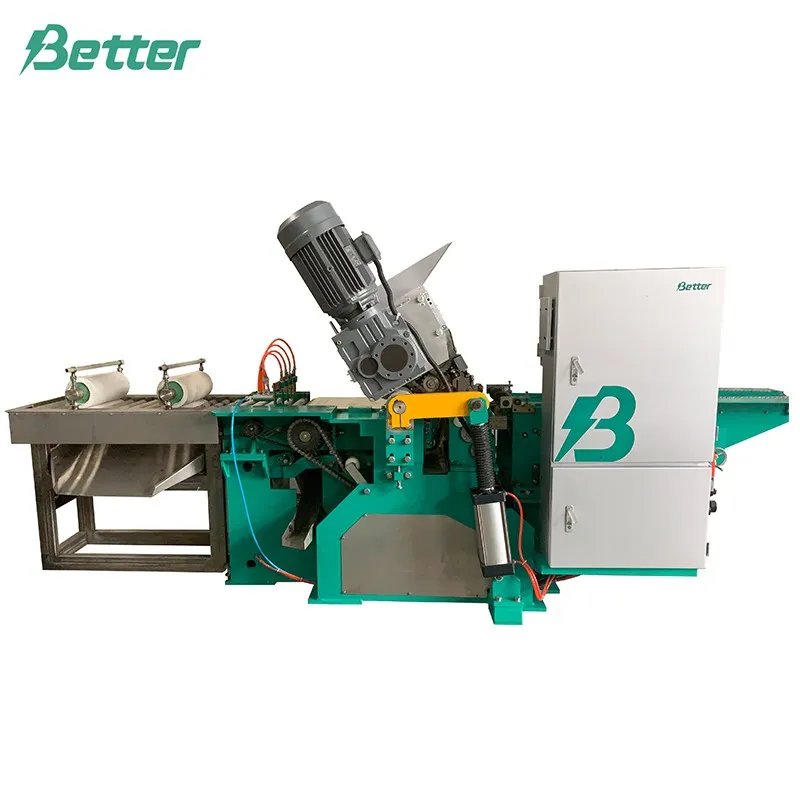
For manufacturers aiming to produce high-quality battery plates, the Lead Acid Battery Double Sides Pasting Machine from Better Tech stands out. This equipment applies lead oxide paste evenly to both sides of grids, supporting a wide range of plate types including starting, traction, and industrial.
Key advantages include high efficiency with production up to 140 panels per minute, precise weight control for uniform plates, and durable construction that lowers maintenance costs. Its frequency-controlled drives adapt to various paste consistencies, while features like concentrated lubrication and acid-proof treatments ensure long-term reliability.
This machine helps achieve consistent paste adhesion and porosity, resulting in battery plates with better performance and longevity. If you're scaling up lead-acid battery production, it's a solid choice for reliable, high-output pasting.