Why Heat Sealing Is Critical for Battery Longevity
2026-01-14 15:27Contents
1. Understanding Battery Heat Sealing
2. Preventing Electrolyte Leaks
3. Impact on Battery Performance
5. Key Parameters in the Process
Understanding Battery Heat Sealing
Battery heat sealing is the process of using controlled heat to fuse the battery case and lid together, creating an airtight bond. In battery manufacturing, this step seals the cell to keep electrolytes inside and contaminants out. Many people notice batteries failing early or leaking and wonder why—often, the issue traces back to how well the heat sealing was done during production.
Heat sealing is especially common in lead-acid and some lithium pouch batteries where plastic components need a strong, permanent join. Without proper battery heat sealing, even a well-designed battery can underperform in real use.
Preventing Electrolyte Leaks
One of the biggest practical problems battery users face is electrolyte leakage. When the seal around the battery lid or case is weak, acidic or alkaline fluids can escape, damaging equipment, corroding terminals, or creating safety risks.
Good battery heat sealing creates a barrier that stops leaks completely. The heat melts the plastic just enough to form a fused layer that resists pressure changes, vibration, and temperature swings in daily operation. Manufacturers who get this right rarely see leak-related returns.
Impact on Battery Performance
Heat sealing directly affects how long a battery lasts. A compromised seal lets moisture or air enter, which speeds up internal corrosion or dries out the electrolyte. Over time, this cuts capacity and shortens cycle life.
In vehicles or backup power systems, users often notice batteries losing charge faster than expected. Poor battery heat sealing is a frequent cause because oxygen ingress accelerates plate degradation. Strong seals help batteries reach their full rated lifespan.
How Heat Sealing Works
The basic idea behind battery heat sealing is straightforward. A heated plate or mold contacts the plastic edges of the battery case and lid. The material softens and flows together under controlled pressure, then cools to form a solid joint.
Modern battery heat sealing machines automate this to ensure every battery gets the same treatment. The process avoids adhesives that might degrade over time and instead creates a homogeneous bond that matches the strength of the original plastic.
Temperature control is everything here. Too low and the seal stays weak; too high and the plastic warps or burns. Timing and pressure also matter to achieve depth without damaging internal components.
Key Parameters in the Process
Temperature usually ranges from 200°C to 400°C depending on the plastic type. Dwell time—the duration the heat is applied—typically runs from a few seconds to under a minute.
Pressure needs to be even across the sealing surface. Uneven pressure creates thin spots that fail later. Production settings often target uniform temperature within ±5°C for consistent results across batches.
These parameters are adjusted based on battery size and material. Larger batteries need longer dwell times or higher heat to penetrate thicker walls.
Material Considerations
Most automotive and industrial batteries use polypropylene (PP) cases because it handles heat sealing well and resists chemicals. The resin must have consistent melt flow properties for reliable bonding.
ABS or other plastics require different temperature profiles. Mismatched materials between case and lid cause brittle seals that crack under stress. Manufacturers test melt compatibility early to avoid problems during battery heat sealing.
Additives in the plastic, like flame retardants, can affect sealing behavior. Quality control checks ensure incoming material stays within spec so the heat sealing process remains stable.
Common Sealing Challenges
Warping happens when heat is uneven or cooling is too fast. The lid or case distorts, leaving gaps that leak later. Contamination on sealing surfaces—dust, oil, or mold release—prevents proper fusion.
Cold spots in the heating plate create weak areas. Over time, these spots fail under vibration or thermal cycling. Machines that lack precise temperature control often produce inconsistent battery heat sealing results.
Tooling wear also degrades performance. As molds wear, they transfer heat less efficiently, requiring frequent maintenance to keep seals reliable.
Achieving Reliable Results
Consistent battery heat sealing comes from equipment that maintains exact temperature and pressure across the entire sealing surface. Automatic positioning and photoelectric sensors help align parts accurately every time.
Fast heat transfer and uniform plates reduce cycle times while improving seal strength. Machines built with quality components deliver repeatable results shift after shift.
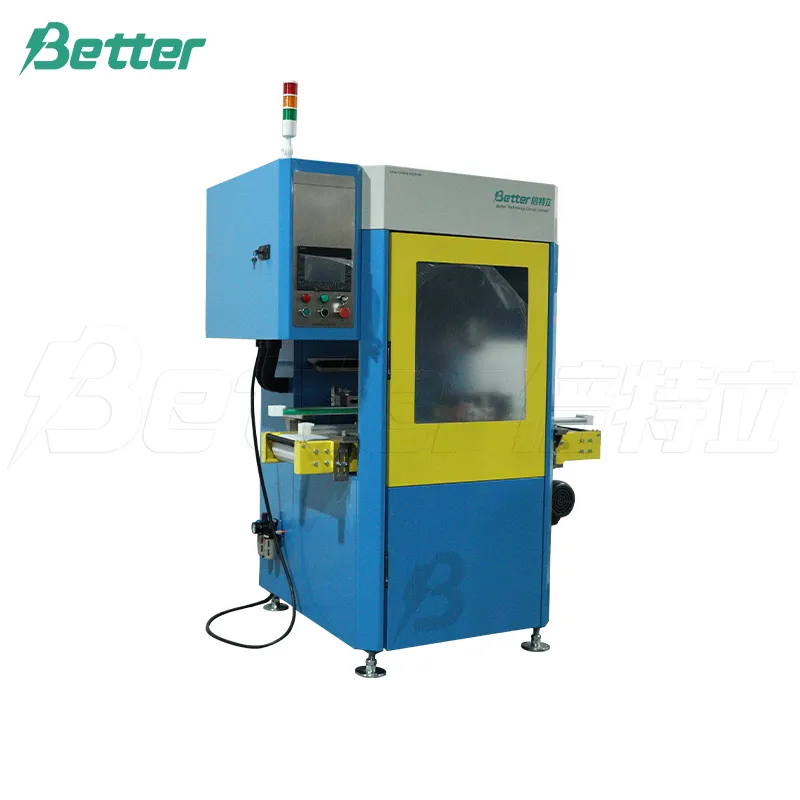
For manufacturers seeking dependable performance, the Automatic Battery Heat Sealing Machine from Better-Tech offers clear advantages. It handles 32-200Ah batteries with production rates up to 120 pieces per hour, uses special aluminum alloy plates for even heating, and includes full automation with Mitsubishi PLC control. The design ensures reliable welding quality and high efficiency while keeping operation straightforward and safe. You can explore it further at Battery Heat Sealing Machine.