What are the advantages of a prismatic cell
2026-01-26 14:29Contents
1. What Is a Prismatic Cell?
2. Space Efficiency in Battery Packs
3. Mechanical Stability and Protection
4. Thermal Management and Cooling
5. Safety Features That Matter
6. Cycle Life and Long-Term Performance
7. Assembly and System Integration
8. Common Applications Today
9. Choosing the Right Prismatic Cell
10. A Reliable Prismatic Cell Option
What Is a Prismatic Cell?
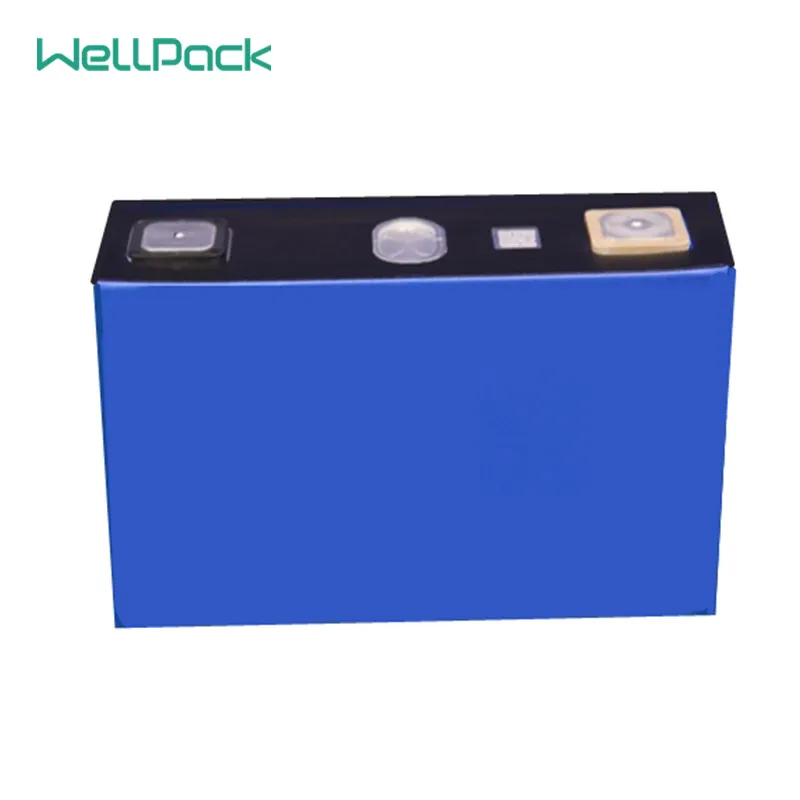
A prismatic cell is a rechargeable battery with a rigid, rectangular metal or plastic case. Unlike cylindrical cells that look like oversized AA batteries or soft pouch cells that are flexible and flat, prismatic cells have flat sides and straight edges. This shape makes them stack neatly side by side.
Most prismatic cells today use lithium-based chemistry, either lithium iron phosphate (LiFePO4) or nickel-based variants. The hard shell gives the cell structure while housing the electrode stack or wound layers inside. People often search for "prismatic cell" when comparing battery options for electric vehicles, energy storage, or industrial equipment, wanting to know why this shape is increasingly common.
Space Efficiency in Battery Packs
The biggest practical advantage of a prismatic cell is how well it uses available space. When you pack cylindrical cells together, there are always small gaps between the rounds. Those gaps add up and waste volume. Prismatic cells, with their flat sides, fit tightly against each other with almost no dead space.
In real systems, this means you can fit 10-20% more energy into the same physical volume compared to cylindrical cells. For anyone designing a battery pack—whether for a home solar storage unit or an electric scooter—that extra capacity without making the pack larger is a direct benefit. Higher packing density translates to longer runtime or smaller, lighter products.
Mechanical Stability and Protection
The rigid case of a prismatic cell provides solid mechanical protection. The metal or thick plastic shell resists deformation better than a thin pouch or aluminum cylinder casing. This matters in applications where the battery experiences vibration, pressure, or minor impacts.
Inside large battery modules, prismatic cells stay aligned and maintain consistent pressure on the electrodes over thousands of cycles. That structural stability helps prevent internal shorts and keeps performance consistent throughout the battery's life.
Thermal Management and Cooling
Heat is one of the main factors that shorten battery life. Prismatic cells have large flat surfaces that make direct contact with cooling plates or heat sinks easy. This allows efficient heat transfer away from the cell core.
In high-power systems, engineers often place cooling channels directly against the broad sides of prismatic cells. The uniform contact area helps keep temperature differences across the pack minimal. Lower and more even temperatures mean the cells age more slowly and can deliver higher continuous power without overheating.
Safety Features That Matter
Safety is a top concern for anyone working with lithium batteries. Prismatic cells typically include built-in safety mechanisms inside the rigid case. Many designs have pressure vents or rupture discs that release gas in a controlled direction if internal pressure builds too high.
The hard shell also contains swelling better than pouch cells, which can balloon dramatically before failing. When combined with safer chemistries like LiFePO4, prismatic cells offer a strong combination of inherent chemical stability and physical containment.
Cycle Life and Long-Term Performance
Prismatic cells, especially those using LiFePO4 chemistry, routinely achieve 3000–6000 full charge-discharge cycles while retaining over 80% of original capacity. The stable structure and good thermal control contribute directly to this longevity.
Consistent electrode alignment and uniform compression inside the rigid case reduce mechanical stress on the active materials during cycling. For stationary storage or vehicles that charge daily, that extended cycle life significantly lowers the total cost of ownership.
Assembly and System Integration
Building large battery packs becomes simpler with prismatic cells. Their uniform rectangular shape allows straightforward stacking and bolting into modules. Connections can be made via busbars that press directly against the flat terminals, creating low-resistance paths.
Manufacturers can scale production easily because the cells fit standard module frames. This modularity speeds up assembly and makes servicing individual cells feasible in many designs.
Common Applications Today
Prismatic cells dominate in electric vehicles, particularly buses and commercial fleets, where maximizing energy in limited space is critical. They're also the preferred choice for grid-scale and home energy storage systems because of their longevity and safety profile.
Many power tools, medical equipment, and telecom backup batteries now use prismatic designs for the same reasons: reliable performance in fixed installations with occasional high loads.
Choosing the Right Prismatic Cell
When selecting a prismatic cell, focus on capacity, voltage, cycle life rating, and operating temperature range. Also consider the specific chemistry—LiFePO4 for maximum safety and longevity, or higher-energy NMC/NCA if peak density matters more than cycle count.
Check the datasheet for discharge rate capability and recommended charging parameters. Reputable manufacturers provide detailed specifications and third-party test reports that help verify performance claims.
A Reliable Prismatic Cell Option
If you need a high-quality prismatic LiFePO4 cell for energy storage or EV projects, the 3.2V 105Ah prismatic LiFePO4 battery cell from Better Tech stands out. It delivers solid capacity in a compact rectangular format, with excellent cycle life and inherent safety from the LiFePO4 chemistry.
The cell supports high discharge rates while maintaining thermal stability, making it suitable for demanding applications. Its robust aluminum shell and reliable performance have made it a popular choice among system builders looking for dependable, long-lasting prismatic cells.