How Home Energy Storage Cuts Your Monthly Power Bills
2026-01-28 14:56Table of Contents
1. Understanding Home Energy Storage
2. Why Power Bills Keep Rising
3. How Home Energy Storage Systems Work
4. Using Stored Energy During Expensive Hours
5. Getting More from Solar Panels
6. Power When the Grid Goes Down
7. Real Long-Term Savings
8. What Makes a Good Home Energy Storage System
9. A Reliable All-in-One Option
Understanding Home Energy Storage
Home energy storage is simply a battery system installed in your house that holds electricity for later use. Instead of pulling all your power directly from the utility grid every time you turn on lights or appliances, a home energy storage setup lets you save energy when it's cheap or plentiful and use it when you need it most.
These systems have become practical for regular households because battery costs have dropped significantly in recent years. Today, home energy storage is no longer just for off-grid homes—it's a smart way for anyone with high electricity use to take control of their consumption and spending.
Why Power Bills Keep Rising
Most people notice their power bills climbing steadily, even when they haven't changed their habits much. A big reason is time-of-use pricing that many utilities now apply. Electricity costs more during peak demand hours—typically late afternoon through evening—when everyone is home running air conditioners, cooking, or charging devices.
On top of that, base rates keep increasing due to infrastructure upgrades, fuel costs, and grid maintenance. Without any way to shift when you consume power, you're stuck paying whatever rate applies at the moment you use it. Home energy storage changes that by giving you flexibility.
How Home Energy Storage Systems Work
A typical home energy storage system includes a battery pack, an inverter that converts stored DC power to AC for your home, and smart controls that manage charging and discharging. The system connects to your home's electrical panel and can charge from the grid, solar panels, or both.
During low-cost or high-production periods—like midday when solar panels generate excess power—the battery charges automatically. When rates go up or solar output drops, the system switches seamlessly to draw from the stored energy instead of the grid. This happens behind the scenes with minimal input from you once it's set up.
Modern home energy storage systems are designed for daily cycling, meaning they charge and discharge regularly without wearing out quickly. Many use lithium-iron-phosphate (LiFePO4) chemistry, which offers over 6,000 charge cycles and strong safety characteristics compared to older battery types.
Using Stored Energy During Expensive Hours
The most direct way home energy storage cuts bills is by avoiding peak pricing. If your utility charges significantly more in the evening, the system can supply most or all of your home's needs from the battery during those hours.
In practice, this means charging overnight when rates are lowest, then running your home on battery power from late afternoon onward. Many users see reductions of 20-50% on their monthly bills depending on local rates and household consumption patterns. The bigger the gap between off-peak and peak rates, the greater the savings potential.
Smart software in newer systems optimizes this automatically, learning your usage patterns and adjusting charge/discharge schedules to maximize savings while keeping the battery ready for unexpected needs.
Getting More from Solar Panels
If you have or plan to install solar panels, home energy storage unlocks much more value. Without storage, excess daytime solar production gets sold back to the grid at low wholesale rates, while you still buy expensive power in the evening.
With a battery, that excess solar energy goes straight into storage for your own use later. This self-consumption approach often delivers far better returns than relying solely on net metering. Many homeowners find that adding home energy storage to solar increases overall savings by 30% or more compared to solar alone.
The combination also reduces dependence on utility policies that can change over time, giving you more predictable long-term economics.
Power When the Grid Goes Down
Beyond bill savings, home energy storage provides automatic backup during outages. When the grid fails, the system isolates your home and keeps critical loads running—lights, refrigerator, internet, medical devices—without interruption.
Unlike traditional generators, there's no refueling, noise, or manual startup. The switch happens in milliseconds. Depending on battery size and what you run, backup can last from several hours to multiple days.
In areas prone to storms, wildfires, or grid instability, this reliability adds real peace of mind alongside the financial benefits.
Real Long-Term Savings
While the upfront cost of home energy storage is significant, payback periods have shortened considerably. With rising utility rates and improving battery economics, many installations now pay for themselves in 6-10 years through direct bill reductions.
After payback, the system continues delivering essentially free electricity for years beyond that. Most quality batteries carry 10-year warranties and retain substantial capacity well into their second decade. When you factor in protection against future rate increases and potential incentives, the long-term value becomes clear.
Home energy storage also tends to increase property value, especially in regions where power reliability is a concern or solar adoption is high.
What Makes a Good Home Energy Storage System
When evaluating options, look for scalable capacity that matches your daily usage—typically 10-20 kWh covers most homes. An integrated all-in-one design simplifies installation and reduces space requirements compared to separate components.
Safety features matter: LiFePO4 chemistry is inherently more stable than other lithium types. Easy expansion, compatibility with existing solar, and strong warranty support are also important. The system should handle daily cycling efficiently and include clear monitoring through an app.
Installation ease is another practical consideration—stackable or modular designs often require less professional work and can be moved if needed.
A Reliable All-in-One Option
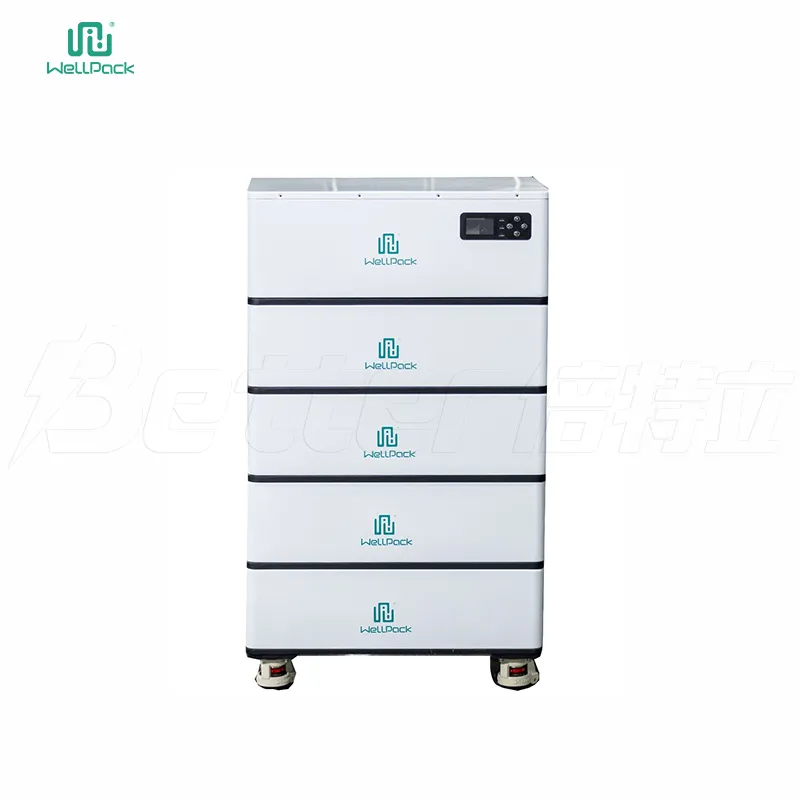
If you're looking for a straightforward home energy storage solution that combines ease of use with solid performance, the Residential Stacked Household Energy Storage System from Better Tech is worth considering. This all-in-one unit integrates battery modules with a built-in 6kW inverter in a compact, stackable design that's simple to install and expand.
Available in 10.24kWh, 15.36kWh, and 20.48kWh configurations using safe LiFePO4 cells, it supports seamless switching between solar, grid, and generator inputs. The system delivers efficient daily cycling, automatic backup power, and compatibility with nearly all home appliances.
Its modular approach lets you start with the capacity you need now and add more later without replacing the whole setup. For households wanting reliable energy management that cuts bills through smart peak shifting and solar optimization, this system provides a practical, long-lasting choice.