How Air Leakage Affects Sealed Battery Performance
2025-12-22 15:46Contents
1. What Air Leakage Means in Sealed Batteries
2. Common Causes of Air Leakage
3. How Moisture Gets In and Causes Trouble
4. Impact on Capacity and Efficiency
5. Safety Risks from Poor Sealing
6. Long-Term Effects on Battery Life
7. Detecting Air Leaks Early
8. Prevention Strategies in Manufacturing
9. A Reliable Testing Solution
What Air Leakage Means in Sealed Batteries
Sealed batteries, like those in electric vehicles or energy storage systems, are designed to keep everything inside contained. Air leakage happens when the seal isn't perfect, allowing outside air to slip in or internal gases to escape. This might seem minor, but it disrupts the controlled environment the battery needs to work properly. Even tiny gaps can lead to bigger issues over time, especially in rechargeable types where chemical reactions are ongoing.
Common Causes of Air Leakage
Air leaks often start during manufacturing. Imperfect welds, weak seals around terminals, or flaws in the casing can create pathways for air. Over time, temperature changes cause materials to expand and contract, weakening those seals further. Physical stress from handling or vibration in use can also open small cracks. In some cases, overcharging builds internal pressure that pushes against weak points.
How Moisture Gets In and Causes Trouble
Once air enters, it brings moisture along. In sealed batteries, humidity reacts with the electrolyte, forming corrosive compounds. This eats away at internal components, like electrodes, leading to buildup that blocks ion flow. The result is often reduced performance and shorter lifespan. Moisture can also trigger unwanted side reactions that generate more gas, increasing pressure and worsening the leak.
Impact on Capacity and Efficiency
Air leakage directly cuts into how much energy a battery can hold and deliver. Contaminants from outside air dilute the electrolyte or damage active materials, so the battery can't reach its full capacity. Charge and discharge cycles become less efficient, meaning quicker drain times in devices or shorter driving range in vehicles. Over cycles, this loss adds up, making the battery feel worn out much sooner than expected.
Safety Risks from Poor Sealing
Poor sealing raises real safety concerns. If air and moisture mix with flammable electrolytes, it can lead to internal shorts or heat buildup. In extreme cases, this causes swelling, venting, or even thermal runaway. Leaks also allow electrolyte to escape, which is corrosive and hazardous to handle. That's why manufacturers prioritize airtight designs to keep risks low.
Long-Term Effects on Battery Life
Over months or years, ongoing air leakage accelerates degradation. Internal corrosion spreads, capacity fades steadily, and resistance builds up, causing more heat during use. Batteries that should last thousands of cycles might fail early. This not only affects reliability but also increases replacement costs and environmental waste from discarded units.
Detecting Air Leaks Early
Spotting air leakage early prevents bigger problems. Common signs include unusual swelling, reduced runtime, or odd odors from venting gases. In production, specialized tests measure pressure changes or trace gases to find even microscopic leaks. Catching them at this stage ensures only solid batteries move forward.
Prevention Strategies in Manufacturing
Good manufacturing focuses on strong seals from the start. Using high-quality materials, precise welding, and controlled assembly environments helps. Adjustable testing parameters allow fine-tuning for different battery sizes. Automated systems reduce human error, while high-precision sensors catch subtle leaks that manual checks might miss.
A Reliable Testing Solution
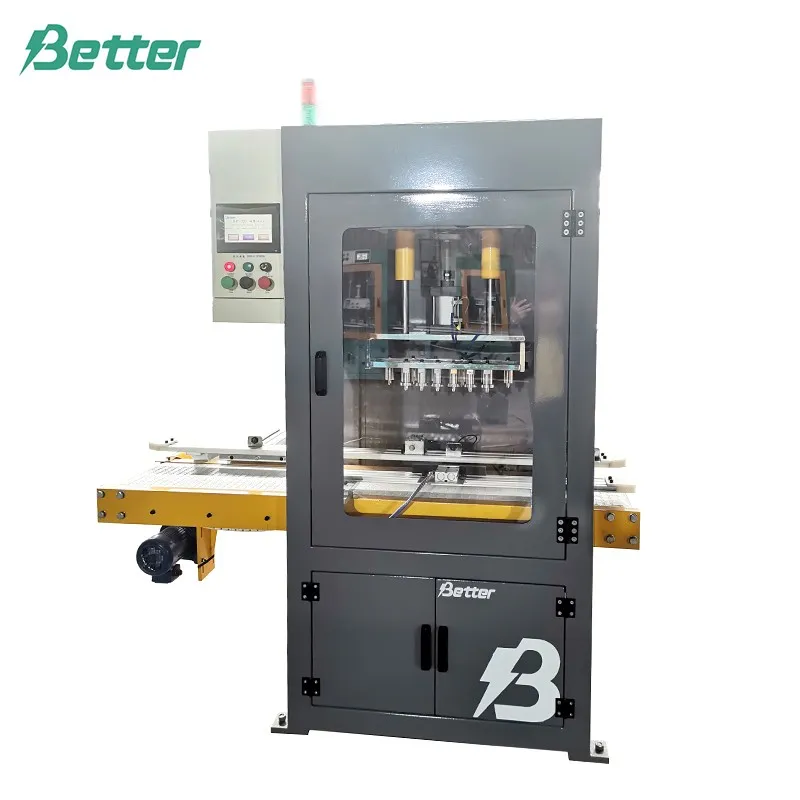
For manufacturers dealing with sealed batteries, especially larger ones like car batteries from 32Ah to 200Ah, reliable air leakage testing is key. The Battery Air Leakage Testing Machine from Better Technology stands out with its automated process—photoelectric sensors position batteries accurately, then a nozzle inflates them to check for leaks. Qualified units move on, while faulty ones get rejected automatically.
It offers high testing accuracy thanks to imported pressure sensors, with precision down to 0.1% at certain pressures. Adjustable time and pressure settings fit various needs, and it handles up to 100 pieces per hour without much manual work. PLC control ensures consistent results, boosting efficiency and safety in production lines. This kind of equipment helps deliver batteries that perform reliably over time.