Best Applications for 18650 Lithium Ion Cells
2025-12-10 16:01Contents
1. What Exactly Is an 18650 Lithium Ion Cell?
2. Why Has the 18650 Become So Popular?
3. Where Do People Actually Use 18650 Cells Every Day?
4. Power Tools and High-Drain Devices
5. Electric Bikes, Scooters and Small EVs
6. Laptop Battery Packs and Portable Electronics
7. Vaping and High-Performance Flashlights
8. Capacity, Voltage and Real-World Performance
9. Safety Features You Should Never Ignore
10. Why Some Users Are Switching to 18650 LiFePO4 Cells
11. A Reliable 18650 Option Worth Considering
What Exactly Is an 18650 Lithium Ion Cell?
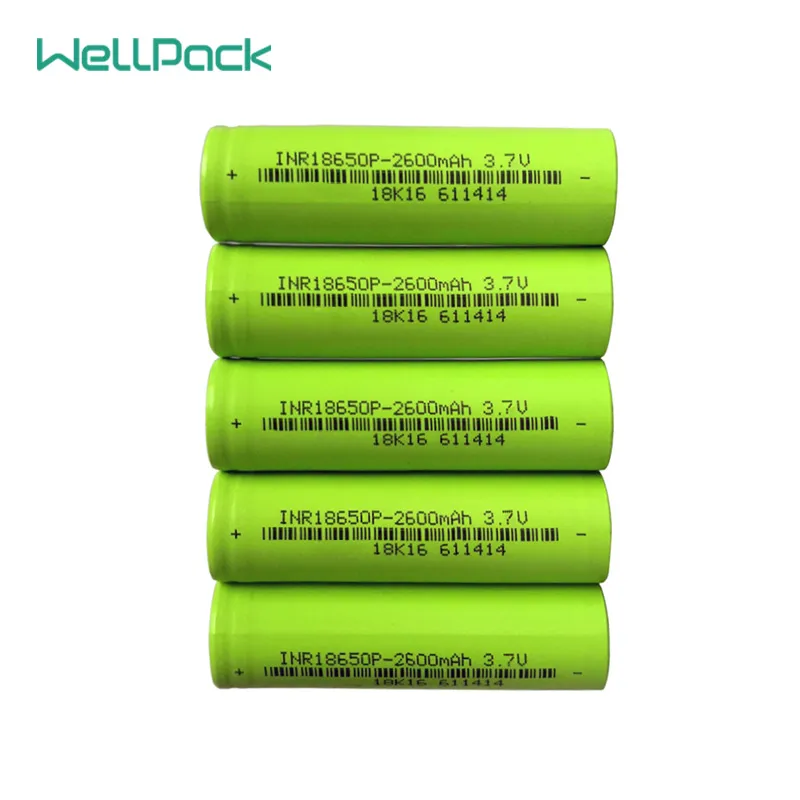
The name "18650" simply tells you the size: 18 mm in diameter and 65 mm long, with a round "0" shape. Inside is a lithium-ion chemistry that stores a lot of energy in a very small package. Almost every rechargeable cylindrical cell you see in laptops, power tools, flashlights, and electric bikes follows this exact 18650 standard, which is why it has become the most common rechargeable lithium cell in the world.
Why Has the 18650 Become So Popular?
Manufacturers love it because the size is standardized — the same cell fits thousands of different devices. Buyers love it because replacement 18650 lithium ion cells are easy to source, relatively inexpensive, and available in many capacity and performance grades. Once Tesla started using tens of thousands of them in every Model S battery pack, the format became impossible to ignore.
Where Do People Actually Use 18650 Cells Every Day?
Look around and you'll find them everywhere. Cordless vacuum cleaners, medical devices, drones, portable speakers, emergency backup lights, and even some solar storage banks all rely on 18650 lithium ion cells. Their balance of energy density, cost, and availability keeps them in new designs year after year.
Power Tools and High-Drain Devices
Modern cordless drills, saws, and impact drivers pull huge currents — sometimes over 20 A continuously. Only high-quality 18650 cells with low internal resistance can deliver that power without overheating or dropping voltage too fast. Cheap cells sag immediately and leave your tool feeling weak halfway through the job.
Electric Bikes, Scooters and Small EVs
Most mid-range e-bikes and electric scooters use packs made of dozens or hundreds of 18650 cells wired together. The cylindrical shape packs efficiently, cools well, and individual cells can be replaced if one fails. High capacity 18650 lithium ion cells (usually 2500–3500 mAh) give riders 30–60 km of real-world range without making the battery overly heavy.
Laptop Battery Packs and Portable Electronics
Even though many ultrabooks now use pouch cells, most traditional laptops and many power banks still contain 18650 cells inside. Three or four cells in series/parallel configuration deliver the typical 11.1 V or 14.4 V laptop packs you're used to seeing.
Vaping and High-Performance Flashlights
Enthusiast flashlights that push 5000+ lumens and advanced vaping mods both need cells that can safely supply 20–30 A bursts. That's why the best 18650 cells for these hobbies are rated for continuous discharge of 25–38 A and always include protection circuits or built-in safety features.
Capacity, Voltage and Real-World Performance
Standard 18650 lithium ion cells run at a nominal 3.6–3.7 V and usually store between 2000 and 3600 mAh, depending on the chemistry and manufacturer. Higher capacity normally means slightly lower maximum current, so you pick the cell that matches your need: high capacity for long runtime, high drain for power tools and bright lights.
Safety Features You Should Never Ignore
Good 18650 cells always include a PTC thermistor, CID pressure valve, and venting mechanism. Protected versions add an external circuit board that prevents over-charge, over-discharge, and short circuits. Never use unprotected cells in multi-cell packs unless you have a proper BMS (battery management system).
Why Some Users Are Switching to 18650 LiFePO4 Cells
Traditional lithium-ion (NMC or NCA) gives the highest energy density, but LiFePO4 chemistry trades a little capacity for much better safety and cycle life. A 2600 mAh 18650 LiFePO4 cell typically lasts 2000–4000 full cycles instead of 500–800, stays cooler under load, and almost eliminates the risk of thermal runaway. That's why solar storage, off-grid systems, and safety-critical tools are quickly moving to 18650 LFP cylindrical cells.
A Reliable 18650 Option Worth Considering
If you need a tough, long-life 18650 that still delivers decent energy, take a look at the 3.2V 2600mAh 18650 LiFePO4 cylindrical battery cells from Better Tech. They offer around 2000+ real-world cycles at 100% depth of discharge, excellent temperature performance from –20 °C to 75 °C, and a continuous discharge rate strong enough for most power tools and e-bike packs. Because they are LiFePO4, you get far less heat and virtually no fire risk compared to regular NMC 18650 cells — perfect when safety and longevity matter more than squeezing out the very last watt-hour.