



- Home
- >
News
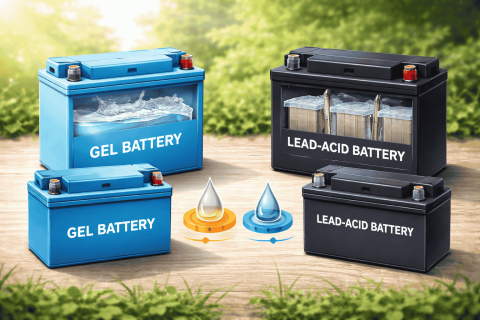
The fundamental difference between gel and standard flooded lead-acid batteries lies in the electrolyte. Both battery types use lead plates and sulfuric acid to create a chemical reaction that stores and releases electrical energy. However, in a traditional flooded lead-acid battery, the electrolyte is a free-flowing liquid.
A storage battery, also known as a rechargeable battery, is a device capable of storing chemical energy and converting it into electrical energy when needed. It is widely used in various fields such as household appliances, power systems, and transportation vehicles.
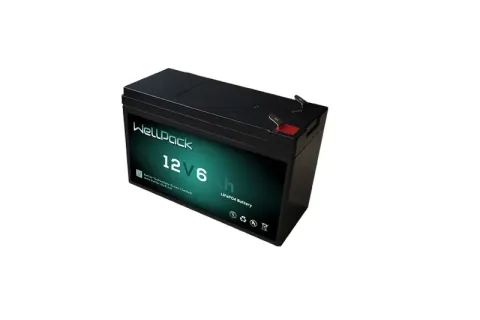
You might be curious about the differences between energy storage batteries and automotive batteries. Let me break it down for you.
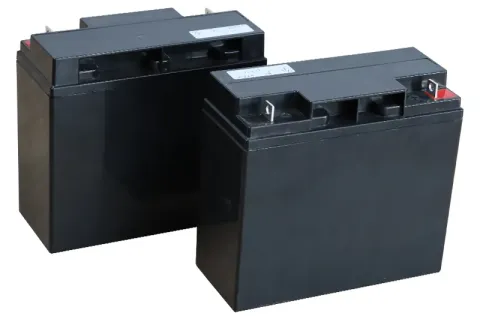
In EV lead-acid battery production, public attention often focuses on paste formulation and formation processes affecting capacity, while overlooking a core component determining battery life, rate capability, and reliability—the grid.
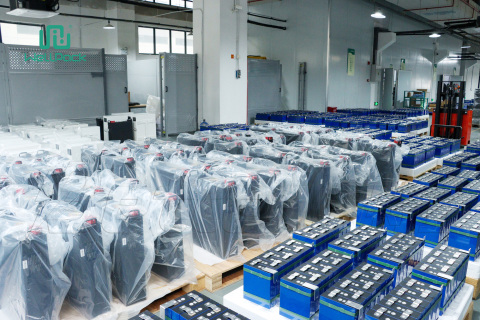
All battery performance parameters fundamentally represent external manifestations of internal electrochemical characteristics. New energy batteries have no absolute "perfect parameters"—only optimal balances based on application scenarios
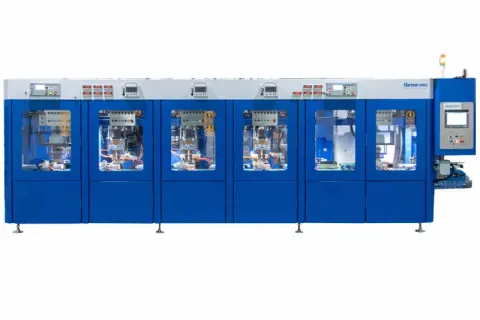
When we talk about battery explosions, the scientific term most often used is thermal runaway. This is a chain reaction within a battery cell where an increase in temperature changes the conditions in a way that causes a further increase in temperature, often leading to a destructive result.
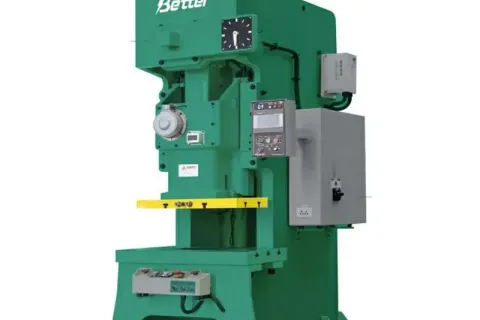
Lead acid batteries remain one of the most widely used rechargeable power sources around the world. They power everything from cars and trucks to backup systems, forklifts, boats, and renewable energy storage.
Lithium-ion batteries power most of the devices we rely on daily—phones, laptops, power tools, and electric vehicles.
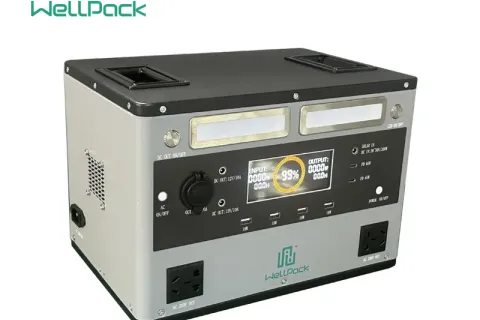
LiFePO4 batteries, short for lithium iron phosphate batteries, are a type of rechargeable lithium battery that uses iron phosphate in the cathode. People often turn to them when looking for something more reliable than traditional lead-acid batteries or even other lithium types.
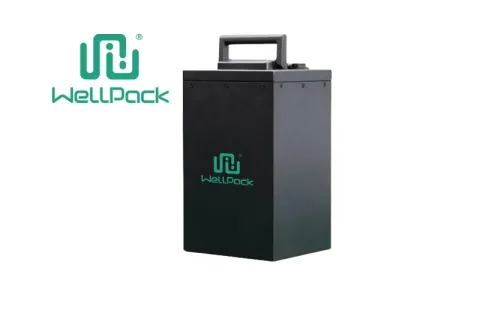
Many motorcycle owners deal with batteries that die unexpectedly, especially after the bike sits for a few weeks. Slow cranking in the morning, dim headlights, or a complete failure to start can ruin a ride.
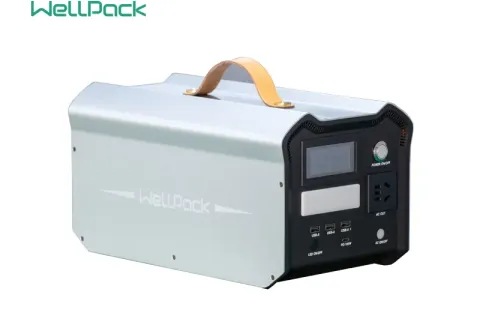
Temperature is the single biggest factor that decides how long your lithium-ion batteries last, how safe they are, and how well they perform day to day. Get it wrong and you'll notice shorter runtime, faster aging, or in rare cases serious safety issues.
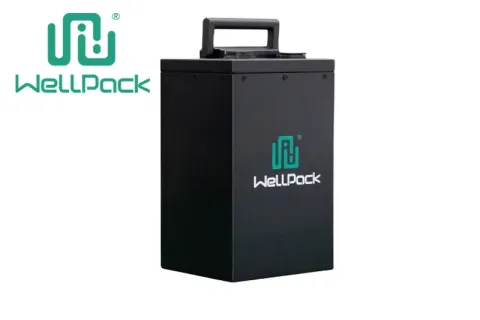
Most people notice the price gap right away: a decent lithium battery pack for an electric motorcycle or e-bike can easily be 3–6 times more expensive than a comparable lead-acid pack with the same voltage. The difference feels huge until you understand what you actually get for the extra money