Why Battery Electrolyte Temperature Matters So Much
2026-06-17 11:21Table of Contents
How Temperature Affects Battery Performance
When you're using a battery-powered device, whether it's your smartphone, electric vehicle, or industrial equipment, the temperature of the battery electrolyte plays a critical role in how well that battery performs. The battery electrolyte temperature directly influences the chemical reactions happening inside the battery. If the electrolyte is too warm, the chemical reactions accelerate, but not in a good way. You might experience faster discharge rates, reduced capacity, and inconsistent voltage output. On the other hand, if the electrolyte is too cold, the chemical reactions slow down significantly. This means your battery delivers less power, charges more slowly, and may struggle to start in cold weather. For most lead-acid and lithium-ion batteries, the ideal electrolyte temperature during operation falls between 20°C and 30°C. Staying within this range ensures optimal ion mobility and reaction efficiency.
The problem many users face is that they don't realize how much their battery's performance depends on temperature control. A battery that seems "dead" might actually just be too cold. Similarly, a battery that overheats during charging could suffer permanent damage. Understanding this relationship helps you diagnose issues before they become serious. For example, if your electric vehicle's range drops dramatically in winter, it's likely due to increased internal resistance caused by low electrolyte temperature. In industrial settings, improper electrolyte temperature during battery formation can lead to defective products and wasted materials.
The Hidden Safety Risks of Improper Temperature
Beyond performance issues, battery electrolyte temperature is a major safety concern. When electrolyte gets too hot, several dangerous things can happen. First, the internal pressure inside the battery increases as gases form from accelerated side reactions. This can cause swelling, leakage, or even rupture. In extreme cases, thermal runaway occurs — a chain reaction where heat generation exceeds the battery's ability to dissipate it, potentially leading to fire or explosion. This is especially risky in large battery packs used in electric vehicles or energy storage systems.
Cold temperatures also pose risks, though they're less dramatic. When electrolyte freezes, it expands and can crack the battery casing or damage internal structures. Even before freezing, very low temperatures increase the risk of short circuits because the electrolyte becomes more viscous and less able to properly wet the electrodes. Many users overlook these dangers because they assume batteries are robust enough to handle any environment. But the reality is that proper temperature management isn't just about getting better performance — it's about preventing accidents. Industrial battery production lines must pay special attention to controlling electrolyte temperature during the filling and formation stages, as this is when the battery is most vulnerable to temperature-related defects.
Temperature's Impact on Battery Lifespan
One of the most practical concerns for anyone who uses batteries regularly is how long they'll last. The answer largely comes down to temperature. Every 10°C rise in operating temperature above the optimal range can roughly halve the lifespan of a typical lead-acid battery. For lithium-ion batteries, the effect is similar: sustained exposure to temperatures above 45°C accelerates degradation of the electrolyte and electrodes. This happens because heat speeds up unwanted chemical reactions that consume active materials and increase internal resistance over time.
Conversely, consistently operating at very low temperatures also shortens battery life. Cold slows down the chemical reactions needed for charging, which can lead to incomplete charging cycles and sulfation in lead-acid batteries. Sulfation occurs when lead sulfate crystals build up on the plates, permanently reducing capacity. The key takeaway is that maintaining a stable battery electrolyte temperature within the recommended range is one of the most effective ways to extend battery life. Whether you're managing a fleet of forklift batteries or just want your car battery to last longer, investing in temperature control pays off in fewer replacements and lower total cost of ownership.
Practical Ways to Manage Electrolyte Temperature
Managing battery electrolyte temperature doesn't have to be complicated, but it does require awareness and the right equipment. For everyday users, simple habits make a difference: avoid leaving devices in direct sunlight or freezing cars, let batteries cool down before fast charging, and store spare batteries in climate-controlled environments. For industrial applications, dedicated cooling systems are essential. During battery manufacturing, especially the formation process where batteries receive their first charge, controlling electrolyte temperature is crucial. The acid used to fill batteries must be chilled to between 5°C and 10°C before being added. This low starting temperature helps manage the heat generated during initial charging and ensures consistent quality across all cells.
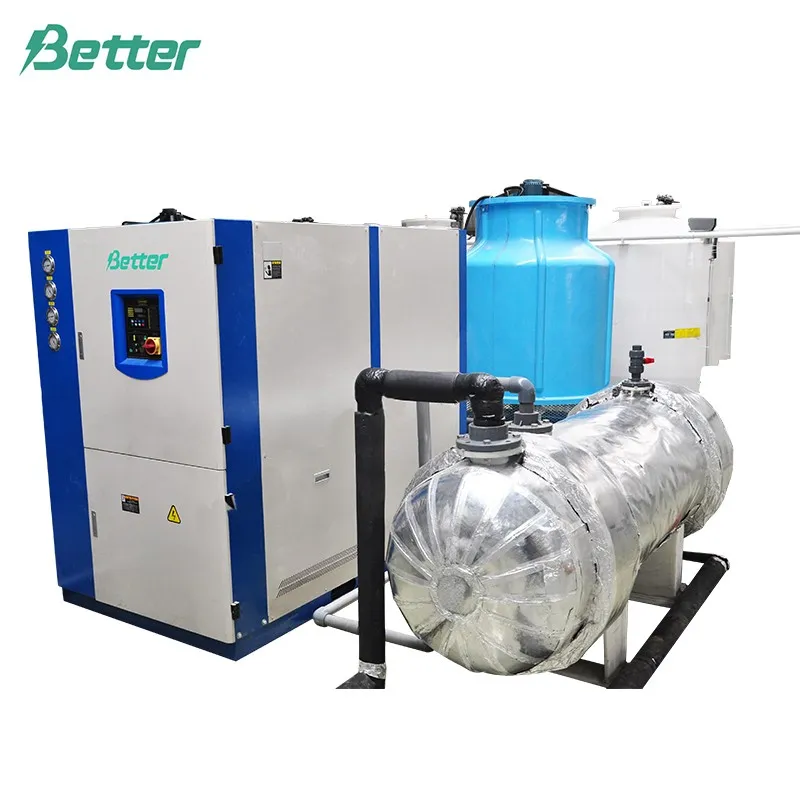
In larger operations, automated chilling machines circulate cooled electrolyte through heat exchangers, maintaining precise temperature control throughout the production line. These systems typically include temperature controllers accurate to within ±1°C, allowing operators to set and maintain exact parameters. Some advanced setups even integrate automatic monitoring and adjustment, so the system responds to temperature fluctuations without human intervention. The goal is always the same: keep the electrolyte at the right temperature from the moment it's prepared until it's sealed inside the battery. This consistency prevents defects, improves performance, and enhances safety.
A Reliable Solution for Battery Production Lines
If you're involved in battery manufacturing or quality control, having dependable equipment to manage battery electrolyte temperature makes a significant difference. The automatic acid chilling machine available at Better Technology Group Limited offers a practical solution designed specifically for battery production lines. This equipment provides rapid cooling speed, low power consumption, and compact size, making it suitable for facilities with limited space. Its integrated control system simplifies operation, while imported compressors and circulation pumps ensure reliability and durability. The system can accurately control temperature within ±1°C across a range of 5°C to 40°C, meeting the strict requirements of battery formation processes. Additionally, the heat exchange components are made from corrosion-resistant materials, handling acidic electrolytes safely. For manufacturers looking to improve product quality and reduce waste, this chilling machine represents a worthwhile investment that directly addresses the temperature challenges discussed throughout this article.