



What is the Average Lifespan of a Golf Cart Battery
2026-01-08 14:38Contents
1. Golf Cart Battery Basics
2. Common Types of Golf Cart Batteries
3. Average Lifespan Numbers
4. What Shortens Battery Life
5. What Helps Batteries Last Longer
6. Proper Charging Habits
7. Storing Your Golf Cart Battery
8. Warning Signs It's Time to Replace
9. When to Replace Your Golf Cart Battery
Golf Cart Battery Basics
Golf cart batteries are deep-cycle batteries designed to deliver steady power over long periods rather than short bursts of high current. Most golf carts run on 36V or 48V systems, which means they use multiple 6V or 8V batteries connected in series. The job of a golf cart battery is to provide reliable energy for repeated trips around the course, neighborhood, or worksite without quickly wearing out.
People often search for the lifespan of golf cart batteries because they want to know how long their investment will last and when they'll need to budget for replacements. The short answer is that a well-maintained golf cart battery typically lasts 4 to 6 years, but the real range depends heavily on the battery type, usage patterns, and care.
Common Types of Golf Cart Batteries
Three main types dominate the market today:
Flooded lead-acid batteries are the traditional and most affordable option. They require regular watering and ventilation but remain popular because of their lower upfront cost.
AGM (absorbed glass mat) batteries are sealed, maintenance-free versions of lead-acid. They handle vibration better and don't need watering, making them a common upgrade choice.
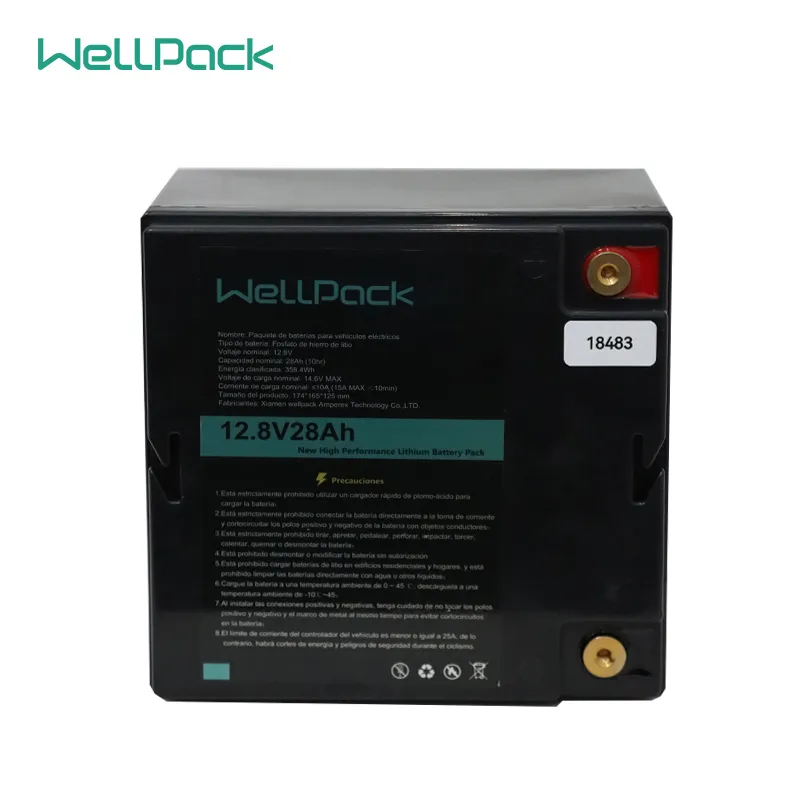
Lithium-ion batteries (usually lithium iron phosphate, or LiFePO4) are the newest and most expensive option. They weigh much less, charge faster, and last significantly longer than lead-acid types.
The type you choose has the biggest impact on how long your golf cart battery will serve you reliably.
Average Lifespan Numbers
For flooded lead-acid golf cart batteries, expect 3 to 5 years of service under normal use. With excellent care, some reach 6 or even 7 years, but that's the upper limit.
AGM golf cart batteries generally last 4 to 7 years. The sealed design protects internal components better, so they often outlast flooded batteries by a year or two when treated similarly.
Lithium golf cart batteries deliver 8 to 12 years or more. Many manufacturers rate them for 3000–5000 charge cycles, which easily translates to a decade of regular use.
In terms of cycles rather than years, lead-acid batteries typically handle 400–800 deep discharge cycles, while lithium batteries manage several thousand. Real-world lifespan depends on how deeply you discharge them each time and how well you maintain them.
What Shortens Battery Life
Deep discharges hurt any golf cart battery. Running the battery below 50% charge regularly accelerates wear. Completely draining it to zero can cut lifespan dramatically.
Overcharging is another common problem. Leaving the charger connected too long, especially with older chargers, cooks the electrolyte and damages plates.
High temperatures speed up chemical reactions inside the battery, causing faster degradation. Storing or operating a golf cart in very hot conditions shortens life noticeably.
Undercharging leaves sulfate crystals on the plates, reducing capacity over time. If the battery never reaches full charge, it slowly loses its ability to hold power.
Physical vibration and shock from rough terrain can loosen internal connections in lead-acid batteries. Water loss in flooded batteries from lack of maintenance also kills them prematurely.
What Helps Batteries Last Longer
Keeping the charge between 20% and 80% whenever possible preserves capacity. Avoid letting the battery sit fully discharged or fully charged for long periods.
Regular cleaning of terminals and checking connections prevents voltage drops and corrosion. For flooded batteries, maintaining proper water levels with distilled water is essential.
Using a smart charger designed for your battery type prevents overcharging and ensures complete, gentle charging cycles.
Equalization charges (for flooded batteries) help remove sulfate buildup and balance cells when done according to manufacturer guidelines.
Temperature control matters. Parking in shade during hot weather and avoiding extreme cold exposure both help preserve the battery chemistry.
Proper Charging Habits
Charge after every use, even if you only used a small amount of capacity. Partial charges are fine and actually better than waiting until the battery is low.
Use the correct charger. A charger meant for flooded batteries can damage AGM or lithium batteries, and vice versa. Modern smart chargers automatically adjust voltage and current for the battery type.
Don't interrupt charging cycles frequently. Let the charger finish its full cycle to reach 100% and then switch to maintenance mode.
For lithium batteries, many built-in management systems protect against overcharge and deep discharge, but still follow the manufacturer's charging guidelines for best results.
Storing Your Golf Cart Battery
If you won't use the cart for weeks or months, store the battery properly. Fully charge it first, then disconnect the negative terminal to prevent slow drain.
Store in a cool, dry place. Ideal temperature is around 50–77°F (10–25°C). Extreme cold reduces capacity temporarily, while heat accelerates self-discharge and degradation.
For lead-acid batteries, check and top off water levels before storage. Check charge level every 1–2 months and recharge if it drops below 80%.
Lithium batteries self-discharge very slowly and often have built-in protection that shuts them down at low voltage. Still, storing them at about 50% charge is usually recommended.
Warning Signs It's Time to Replace
The cart moves noticeably slower or struggles on hills it used to handle easily. Reduced range between charges is often the first clear symptom.
Charging takes much longer than before, or the battery never seems to reach full charge. Swollen or leaking cases (in lead-acid) indicate internal damage.
Excessive heat during charging or use, unusual odors, or corrosion around terminals all point to failing cells.
Voltage readings that drop quickly under load or show large differences between individual batteries in the pack suggest replacement time has arrived.
When to Replace Your Golf Cart Battery
Most owners replace the entire set at once rather than one battery at a time. Mismatched ages or types cause the weaker batteries to drag down the stronger ones.
Plan replacement when range drops to about 60–70% of original or when you notice consistent performance issues despite good maintenance.
Choosing the right replacement depends on your budget and needs. Upgrading to lithium at replacement time often makes financial sense over the long run because of the extended lifespan and lower maintenance.
Understanding these factors helps you get the most value from your golf cart battery and avoid unexpected downtime on the course or around the property.