How to Choose the Right Battery for Camping
2026-03-23 11:09Table of Contents
1. Understanding Different Battery Chemistries for Camping
2. Assessing Your Camping Battery Capacity Needs
3. Matching Power Output to Your Devices
4. Reviewing Output Ports for Compatibility
5. Prioritizing Battery Safety Features
6. Balancing Weight and Portability
7. Exploring Charging Methods for the Field
8. Extending Your Battery's Lifespan
9. Avoiding Common Battery Selection Pitfalls
Understanding Different Battery Chemistries for Camping
When you head into the outdoors, the chemistry inside your camping battery decides how well it performs under real conditions. Lead-acid options remain affordable and widely available, yet they add significant weight and lose capacity quickly in cold weather that often hits campsites at night. Lithium-ion batteries cut the weight dramatically and hold a charge longer during extended trips. Among lithium types, LiFePO4 batteries stand out for camping because they resist temperature swings and avoid the thermal risks that worry many outdoor users. This chemistry delivers steady voltage even as the battery drains, so your gear keeps running without sudden drops. Most campers notice the difference right away: a quality lithium camping battery simply feels more reliable when you rely on it far from any power outlet. Choosing the right chemistry early saves frustration later and keeps your focus on the trail instead of the power level.
Assessing Your Camping Battery Capacity Needs
Capacity measured in watt-hours tells you exactly how long your portable battery for camping will last before recharging. Start by listing every device you plan to run and note its average watt draw. Multiply those watts by the hours you expect to use each item, then add the totals together. Divide the final number by roughly 0.85 to account for real-world efficiency losses that every camping battery experiences. This simple calculation prevents the common surprise of running out of power halfway through the night. Weekend campers often find 300 to 500 watt-hours sufficient for lights, phones, and small fans, while multi-day trips push the need toward 600 watt-hours or more. Factor in extra margin for unexpected weather that might keep you tent-bound longer than planned. Accurate capacity planning turns your lithium battery for camping into a dependable partner rather than a source of worry.
Matching Power Output to Your Devices
The continuous watt rating on a camping battery must exceed the highest draw from any single appliance you bring. Surge or peak power matters too, especially for items that start with a brief spike like small pumps or compressors. Pure sine wave inverters inside modern portable battery for camping units produce clean electricity that sensitive electronics accept without buzzing or damage. Modified sine wave versions may cost less upfront, but they can shorten the life of chargers and motors over repeated trips. Pay close attention to the rated continuous output listed in specifications because it defines daily usability far more than peak numbers alone. A well-matched battery power output keeps everything running smoothly so you avoid frequent shutdowns that interrupt your routine in the field.
Reviewing Output Ports for Compatibility
Different camping battery models offer varying combinations of outlets, and matching them to your gear avoids carrying extra adapters. AC sockets handle standard appliances, while multiple USB-A and USB-C ports charge phones and tablets simultaneously without fighting for space. DC 12-volt outlets and car-style sockets power lights, coolers, or inflators directly. Look for at least one high-watt USB-C port that supports fast charging because it simplifies life when your devices need quick top-ups. The best lithium battery for camping units include a mix that covers every common device you might pack. Checking port variety before purchase ensures your portable battery for camping stays versatile across different trips and group sizes.
Prioritizing Battery Safety Features
Safety becomes non-negotiable once you place a camping battery inside a tent or near sleeping bags. Built-in battery management systems protect against overcharge, deep discharge, short circuits, and overheating that can occur during summer days. LiFePO4 chemistry adds another layer because it stays stable even if punctured or exposed to extreme heat. Temperature sensors that automatically adjust performance in freezing or hot conditions further reduce risks common in outdoor storage. Certifications such as UL or UN38.3 confirm the camping battery meets international standards for transport and use. When safety features align with your environment, you gain peace of mind and focus on enjoying the trip instead of monitoring the unit constantly.
Balancing Weight and Portability
Weight directly affects how easily you move your portable battery for camping from car to campsite or along hiking trails. Units under 7 kilograms strike a practical balance for most solo or small-group campers, while heavier models suit base-camp setups where you drive right to the site. Compact dimensions matter just as much because they fit neatly into backpacks or storage bins without wasting space. Handle design and sturdy casing protect the camping battery during rough transport over uneven ground. Striking the right balance means you carry only what you truly need without sacrificing the capacity or features that make the lithium battery for camping useful once you arrive.
Exploring Charging Methods for the Field
Flexible charging keeps your camping battery ready even when grid power stays miles away. Wall outlets provide the fastest refill at home before departure, yet solar panels become essential for multi-day off-grid stays. Higher input wattage ratings on the portable battery for camping shorten solar recharge times dramatically. Car charging while driving between sites offers a convenient backup that many campers overlook until needed. Some advanced lithium battery for camping models accept simultaneous inputs so you top up from solar and the vehicle at once. Understanding all available methods prevents the empty-battery scenario that ruins plans and lets you adapt to weather or schedule changes on the fly.
Extending Your Battery's Lifespan
Proper care stretches the usable years of any camping battery well beyond the initial purchase. Store the unit at moderate temperatures and avoid leaving it fully discharged for weeks at a time. Partial charges work fine for lithium types and actually preserve capacity better than constant full cycles. Keep terminals clean and check firmware updates when available because manufacturers occasionally improve efficiency through software. A camping battery that receives consistent basic maintenance often delivers thousands of cycles before noticeable fade appears. These habits turn a one-time investment into reliable power for many seasons of outdoor adventures.
Avoiding Common Battery Selection Pitfalls
Many buyers focus only on price or headline capacity and later regret the choice when real-world performance falls short. Ignoring efficiency ratings leads to shorter runtimes than expected, while skipping warranty details leaves you exposed if issues arise after a few trips. Overlooking temperature tolerance causes sudden failures in cold mountain camps or hot desert outings. Rushing the decision without verifying port variety or inverter quality creates daily frustrations that a little research would have prevented. Taking time to match every specification to your actual camping style helps you select a portable battery for camping that truly works rather than one that merely looks good on paper.
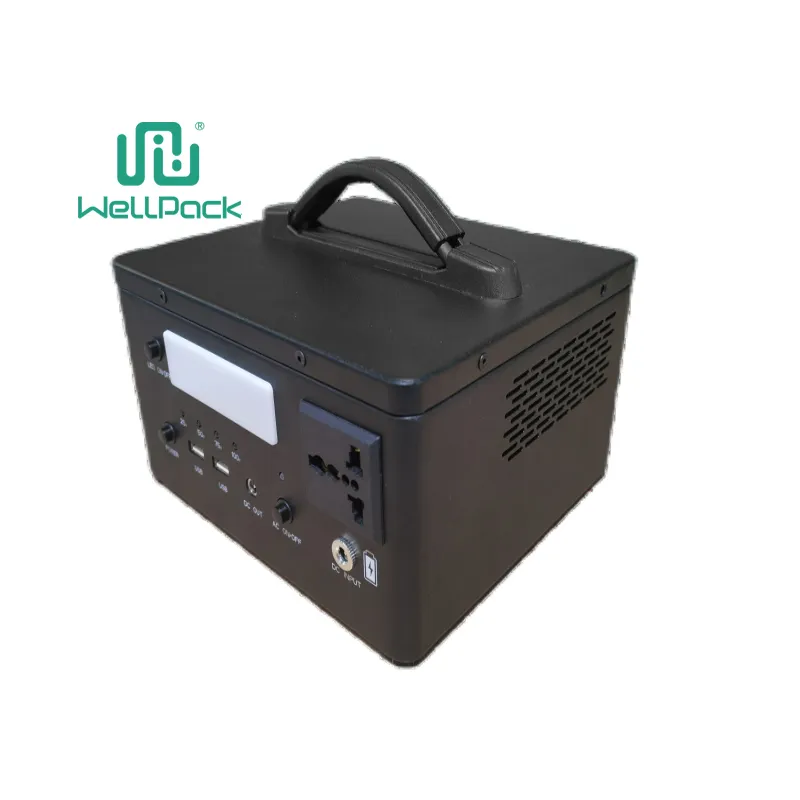
When all the factors line up, the Portable Power Generator WPP600-02 from Better Tech delivers exactly what serious campers need in a camping battery. Its 460Wh LiFePO4 cell provides 600W of pure sine wave AC power with a compact 6.1 kg build that travels easily yet powers multiple devices through abundant AC, USB-A QC3.0, USB-C PD, and 12V DC ports. The built-in LED light with high, low, and SOS modes adds practical illumination after dark, while more than 4,000 cycles ensure years of dependable service. Fast solar charging options and bi-directional 100W USB-C keep everything topped up without hassle. For reliable off-grid performance that matches the criteria above, head to Portable Power Generator WPP600-02 and make it your go-to power solution for the next camping trip.