Common Defects in Battery Heat Sealing and Their Practical Solutions
2026-05-22 10:59Table of Contents
1. The Hidden Weak Point: Why Battery Sealing Matters
2. Common Battery Heat Sealing Defects You Shouldn't Ignore
3. Root Causes of Poor Battery Sealing
4. Practical Solutions to Improve Sealing Quality
5. Choosing the Right Equipment for Reliable Results
The Hidden Weak Point: Why Battery Sealing Matters
When we use electronic devices or drive cars daily, we rarely think about the complex manufacturing processes behind their power sources. However, for manufacturers and maintenance professionals, the integrity of a battery is a constant concern. A battery is not just a container for chemical reactions; it is a precisely engineered power unit. One of the most critical steps in its production is heat sealing, especially for lead-acid and industrial batteries encased in polypropylene (PP). Proper heat sealing ensures that the internal components remain isolated from the external environment. If this process fails, the entire unit becomes vulnerable to leaks, corrosion, and premature failure. Understanding the nuances of battery heat sealing is essential for anyone looking to improve product longevity and operational safety in the power storage industry.
Common Battery Heat Sealing Defects You Shouldn't Ignore
Identifying sealing defects early can save a company significant resources in recalls and warranty claims. The most frequent issue encountered is incomplete fusion, where the PP material of the battery box and lid fails to bond completely. This often leaves microscopic gaps that allow electrolyte leakage over time. Another prevalent defect is thermal distortion. When the temperature is too high or the heating time is excessive, the PP material can warp or lose its structural integrity, leading to a misshapen battery casing. Conversely, underheating results in weak seams that crack under minor physical stress. Internal contamination is also a common problem; if dust or chemical residues are present on the sealing surfaces, they act as barriers, preventing a homogeneous weld. Lastly, uneven pressure distribution during the cooling phase can cause the seal to separate as the materials contract at different rates, compromising the overall durability of the battery.
Root Causes of Poor Battery Sealing
To effectively address sealing defects, we must look beyond the surface and examine the underlying causes. Inconsistent heating is a primary culprit. If the heating elements do not distribute warmth evenly across the mold, certain areas of the battery lid will melt faster than others, leading to warping. Improper alignment of the battery box and lid before sealing is another major factor. Even a slight misalignment can cause uneven pressure, resulting in weak spots along the seam. The condition of the sealing surfaces themselves plays a huge role; worn-out or dirty molds transfer heat poorly and can imprint deformities onto the battery casing. Additionally, incorrect parameter settings—such as melting time, temperature, and pressure—tailored to the wrong battery specifications will inevitably lead to subpar seals. Environmental factors, like sudden drafts or fluctuating room temperatures in the workshop, can also interfere with the cooling rate, affecting the final bonding strength.
Practical Solutions to Improve Sealing Quality
Improving battery heat sealing quality requires a combination of precise engineering and strict process control. First, optimizing the heating parameters is crucial. Manufacturers must establish a clear relationship between the melting temperature, duration, and the specific type of PP material used. Regular calibration of the heating plates ensures that the temperature remains stable throughout the sealing cycle. Second, implementing automated positioning systems can drastically reduce human error. By using sensors to align the battery box and lid perfectly before the heating plate descends, you ensure uniform pressure distribution. Third, maintaining the equipment is non-negotiable. Cleaning the molds regularly to remove any residual plastic or contaminants guarantees a clean contact surface. Finally, establishing a rigorous quality control protocol, including random leak tests using pressure decay methods, helps catch defects before the batteries leave the production line. These practical steps minimize waste and enhance the reliability of the final product.
Choosing the Right Equipment for Reliable Results
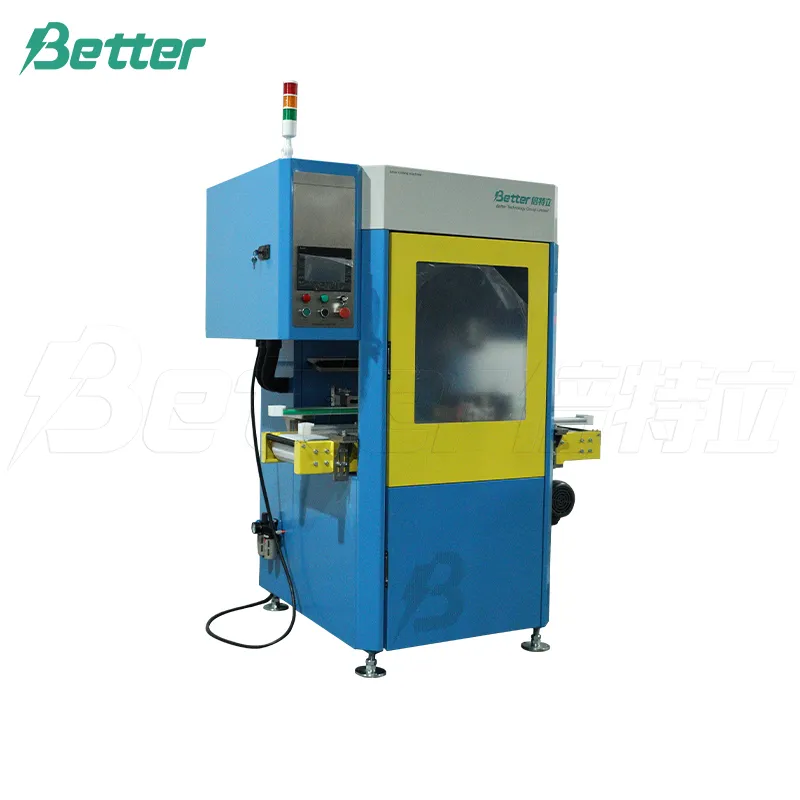
Ultimately, the quality of your battery heat sealing depends heavily on the machinery you use. For businesses dealing with car batteries ranging from 32 to 200 amp-hours, investing in a specialized automatic heat sealing machine is the most effective way to ensure consistent results. Modern machines equipped with photoelectric sensors can automatically position the battery, ensuring that every unit is sealed with pinpoint accuracy. The choice of heating materials also makes a significant difference; machines utilizing special aluminum alloy heating plates and molds offer rapid heat transfer and uniform temperature distribution, which is vital for preventing thermal distortion. Furthermore, a robust machine should provide precise control over melting time and temperature, accommodating a range up to 0~400℃ to handle various PP material thicknesses. High-quality equipment not only delivers a flawless seal but also maintains a high production capacity, with top-tier models capable of processing up to 120PCS/hour. By integrating reliable machinery with a well-managed workflow, manufacturers can eliminate common sealing defects and produce durable, leak-free batteries that stand the test of time.