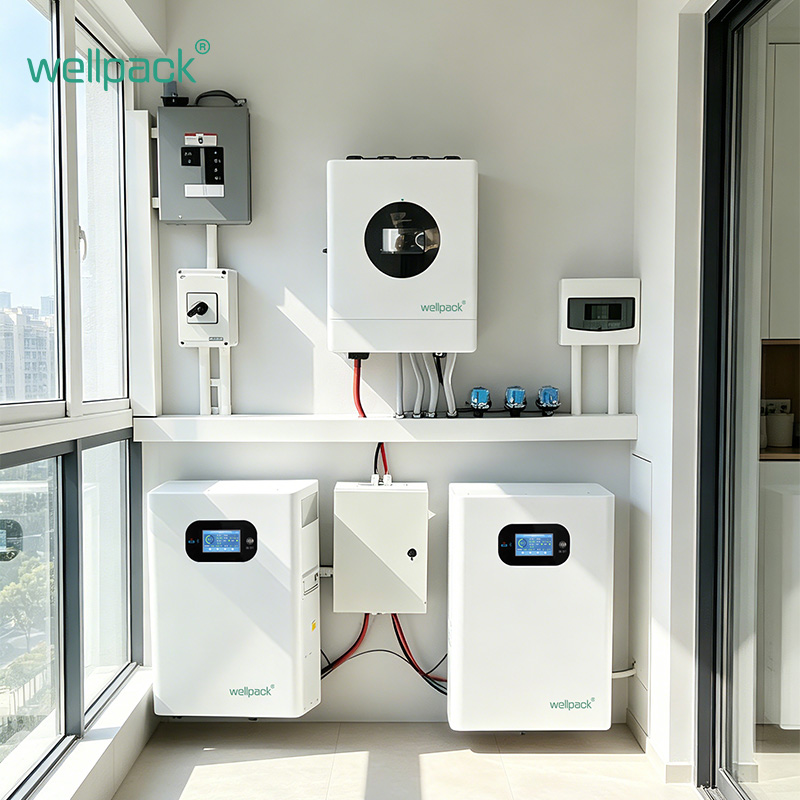
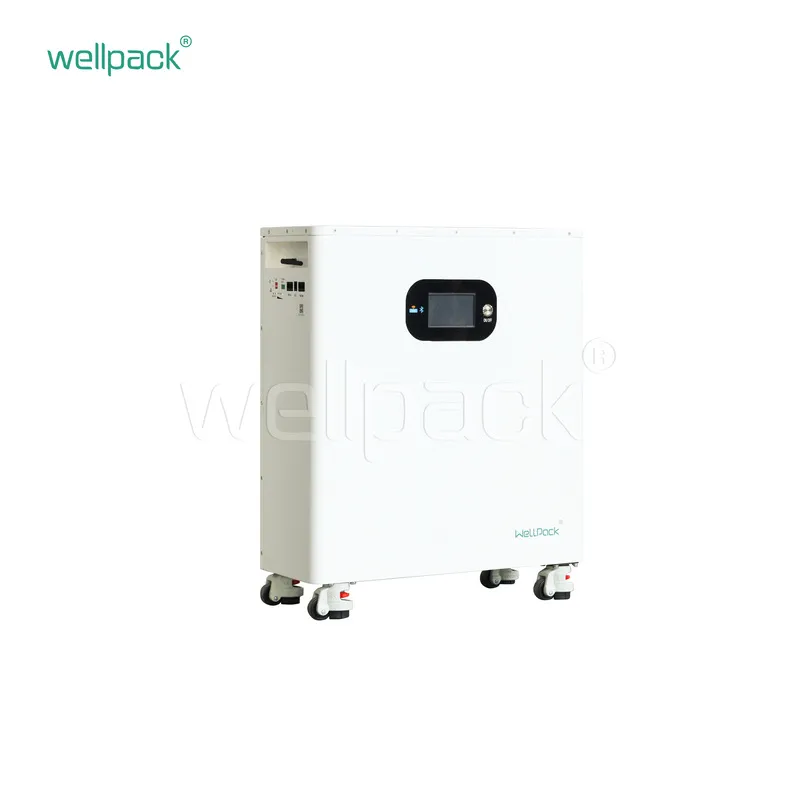
Learn how solar battery storage works, compare lithium-ion, LFP, lead-acid, AGM, and gel batteries, and discover how to choose the right capacity, power output, efficiency, and lifespan for your home energy needs.
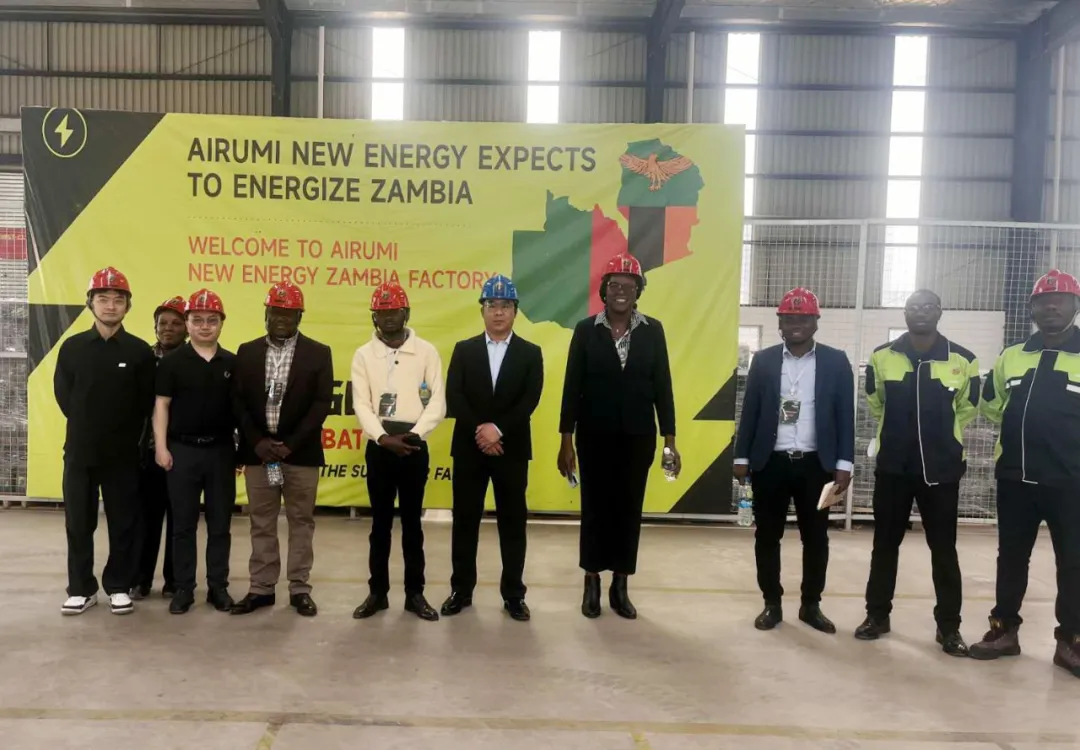
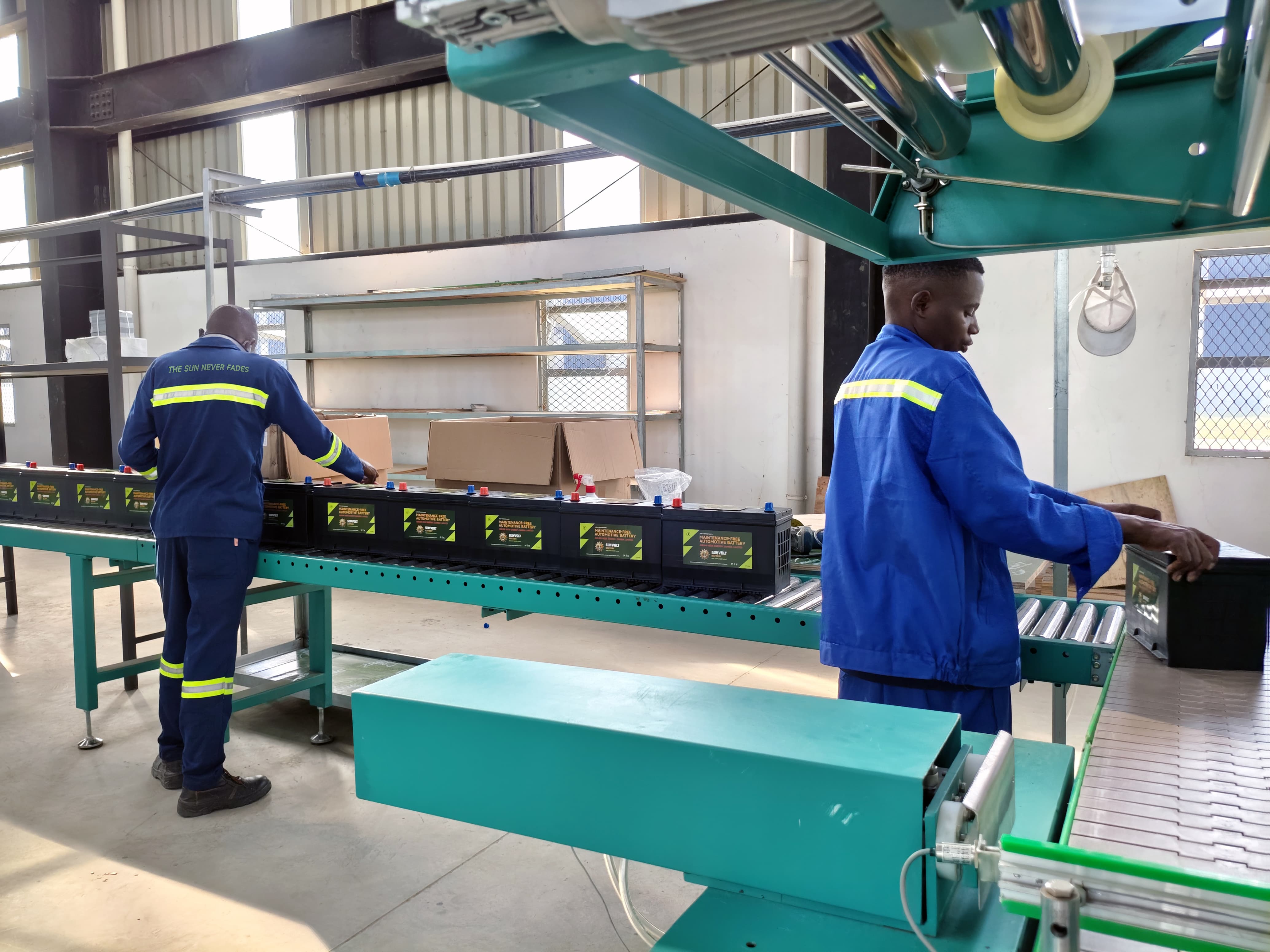
On the morning of October 2 local time, senior officials from Zambia’s trade and mining ministries visited Airmui New Energy, Zambia’s first local battery manufacturing plant and an overseas subsidiary of Better.
Learn what to consider before switching to lithium batteries. Compare battery chemistries, voltage, usable capacity, charging requirements, long-term costs, and installation needs to choose the right battery for your application.
Learn what battery depth of discharge (DoD) means, how to calculate it, and how it affects usable capacity, cycle life, and operating costs. Compare lead-acid and lithium batteries and discover practical tips for improving battery performance and service life.
Discover what type of energy a battery stores, how chemical potential energy converts into electricity, how battery capacity is measured, and how lithium-ion, LiFePO4, lead-acid, and other battery types power modern energy storage systems.
Discover the key differences between power batteries and energy storage batteries, including performance, lifespan, safety, BMS, and EV battery second-life applications.
Learn 8 key lithium-ion battery parameters, including capacity, voltage, C-rate, SOC, cycle life, internal resistance, power density, and cost, to understand battery performance and applications.
Battery cycle life is only part of the story. Learn how cycle aging, calendar aging, temperature, SOC, and charging rate affect lithium battery service life.
AGM batteries typically last 3–7 years, but their actual lifespan depends on discharge depth, charging practices, temperature, cycling frequency, vibration, and storage. Learn what affects AGM battery life and how proper use can help extend its service life.